Where and when to see nudibranchs
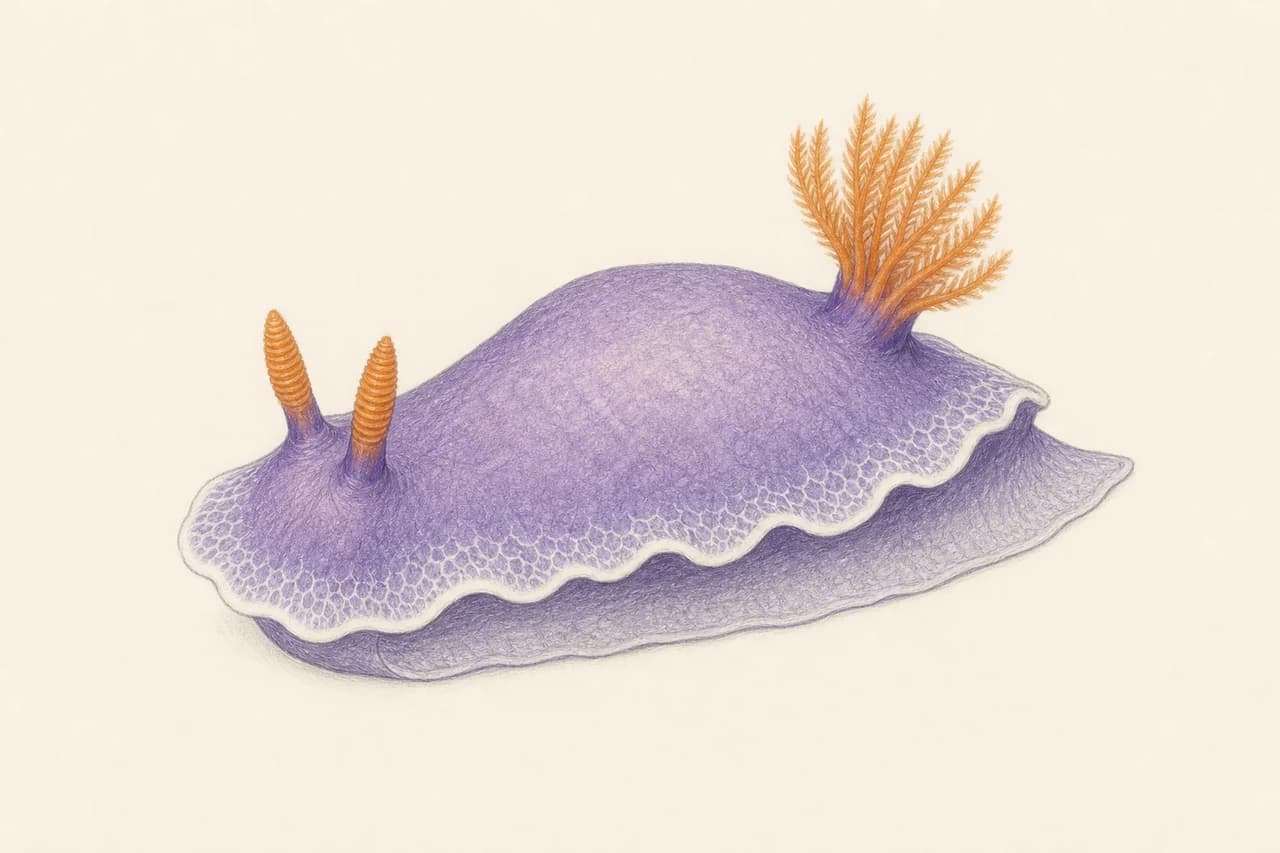
Colourful sea slugs found on almost every reef, with the greatest variety in the Coral Triangle's macro and muck sites.
This guide documents sightings in 13 Good Dives regions. The most regions are in peak season in January–March.
Where to plan your trip
Our picks for a trip focused on nudibranchs, chosen for the encounters below. Calendar peaks describe timing, not a ranking of destinations.
A dedicated nudibranch photography trip
Scuba diving
AnilaoAnilao supports specialist macro trips and a wide variety of nudibranchs. Ask a local guide to select sites for your target species and preferred depth.
Target: nudibranchs
Ask about: Buceo Anilao House Reef · Anilao macro sites
Nudibranch searches on contrasting habitats
Scuba diving
Lembeh StraitNudifalls combines wall and rubble habitats, while the house reef offers repeat access. Choose Lembeh when you also want other muck-diving subjects.
Target: nudibranchs
Ask about: Nudifalls · Lembeh Resort House Reef
Repeat shore dives for small subjects
Scuba diving
Tulamben & AmedSeraya Secrets offers a sandy-slope macro search, with nudibranchs among the targets. Revisit productive areas with a local guide rather than rushing between sites.
Target: nudibranchs
Ask about: Seraya Secrets · Segara
Nudibranchs sighting calendar
Calendar months, every year
| Jan | Feb | Mar | Apr | May | Jun | Jul | Aug | Sep | Oct | Nov | Dec | |
|---|---|---|---|---|---|---|---|---|---|---|---|---|
| AnilaoPhilippines | Peak | Peak | Peak | ● | ● | ● | ● | ● | ● | ● | ● | ● |
| Lembeh StraitIndonesia | ● | ● | ● | ● | ● | ● | ● | ● | ● | ● | ● | ● |
| Tulamben & AmedIndonesia | ● | ● | ● | ● | ● | ● | ● | ● | ● | ● | ● | ● |
| AlorIndonesia | ● | ● | ● | ● | ● | ● | ● | ● | ● | ● | ● | ● |
| Dauin & Apo IslandPhilippines | ● | ● | ● | ● | ● | ● | ● | ● | ● | ● | ● | ● |
| KomodoIndonesia | ● | ● | ● | ● | ● | ● | ● | ● | ● | ● | ● | ● |
| Malta & GozoMalta | ● | ● | ● | ● | ● | ● | ● | ● | ● | ● | ● | ● |
| Milne BayPapua New Guinea | ● | ● | ● | ● | ● | ● | ● | ● | ● | ● | ● | ● |
| Northern Red SeaEgypt | ● | ● | ● | ● | ● | ● | ● | ● | ● | ● | ● | ● |
| Okinawa & Kerama IslandsJapan | ● | ● | ● | ● | ● | ● | ● | ● | ● | ● | ● | ● |
| Poor Knights IslandsNew Zealand | ● | ● | ● | ● | ● | ● | ● | ● | ● | ● | ● | ● |
| Puerto GaleraPhilippines | ● | ● | ● | ● | ● | ● | ● | ● | ● | ● | ● | ● |
| WakatobiIndonesia | ● | ● | ● | ● | ● | ● | ● | ● | ● | ● | ● | ● |
Peak = best odds · ● = regularly seen · blank = unlikely.
Calendars describe animal presence, not weather or site access; check each region’s dive season. For grouped animals, a marked month may apply to only one member of the group. Sightings vary by site and dive.
Explore all 13 documented regions
- AnilaoPhilippines · peak Jan–Mar
- Lembeh StraitIndonesia · seen year-round
- Tulamben & AmedIndonesia · seen year-round
- AlorIndonesia · seen year-round
- Dauin & Apo IslandPhilippines · seen year-round
- KomodoIndonesia · seen year-round
- Malta & GozoMalta · seen year-round
- Milne BayPapua New Guinea · seen year-round
- Northern Red SeaEgypt · seen year-round
- Okinawa & Kerama IslandsJapan · seen year-round
- Poor Knights IslandsNew Zealand · seen year-round
- Puerto GaleraPhilippines · seen year-round
- WakatobiIndonesia · seen year-round