Where and when to see marine life
Guides to 61 of the animals divers travel for, from whale sharks and manta rays to pygmy seahorses and the sardine run. Each one maps the dive regions where they are seen, with a month-by-month sighting calendar and our picks for where to plan a trip.
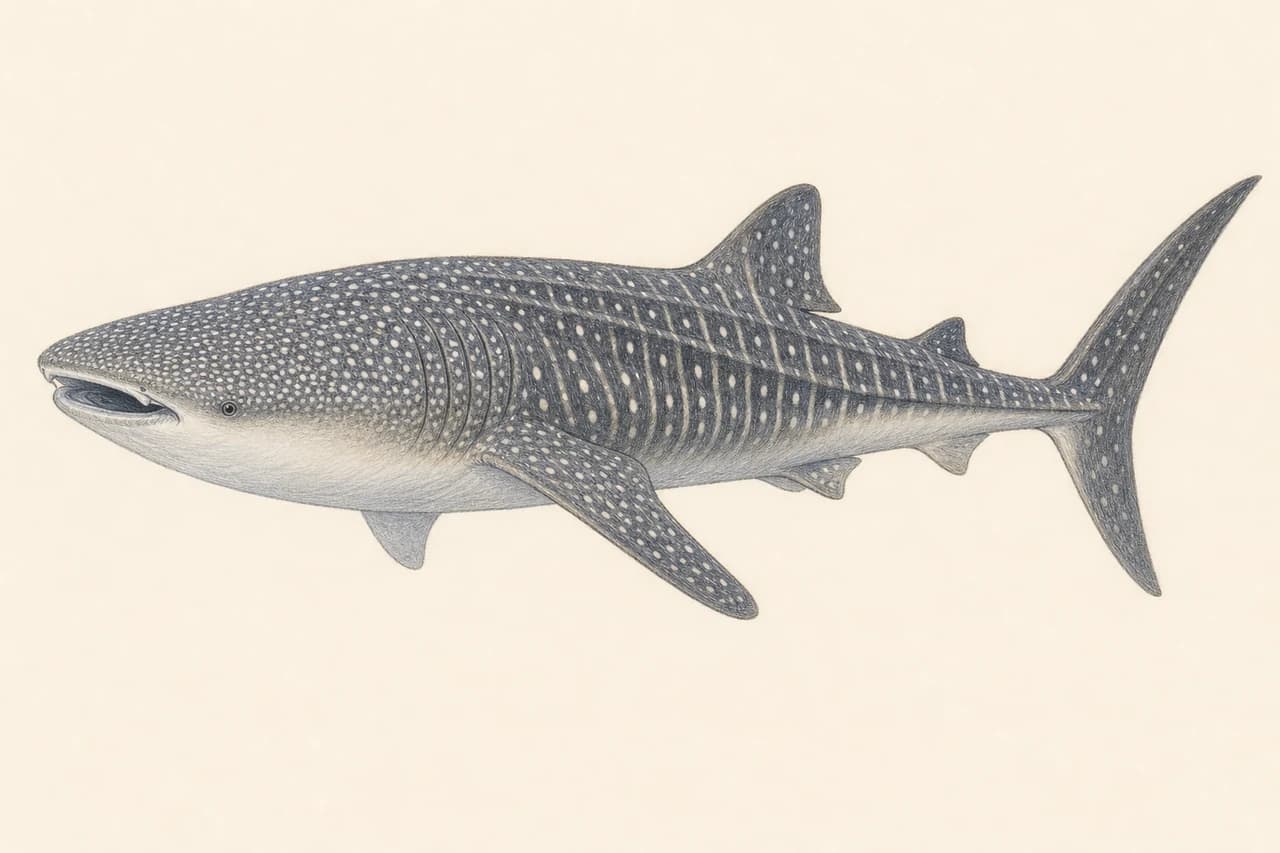 Whale sharks23 regions · peak NovemberThe world's largest fish is a filter feeder that gathers where plankton, fish spawn or krill blooms are seasonal, so sightings are strongly tied to the calendar. Many encounters are on snorkel, with diving possible at some sites.
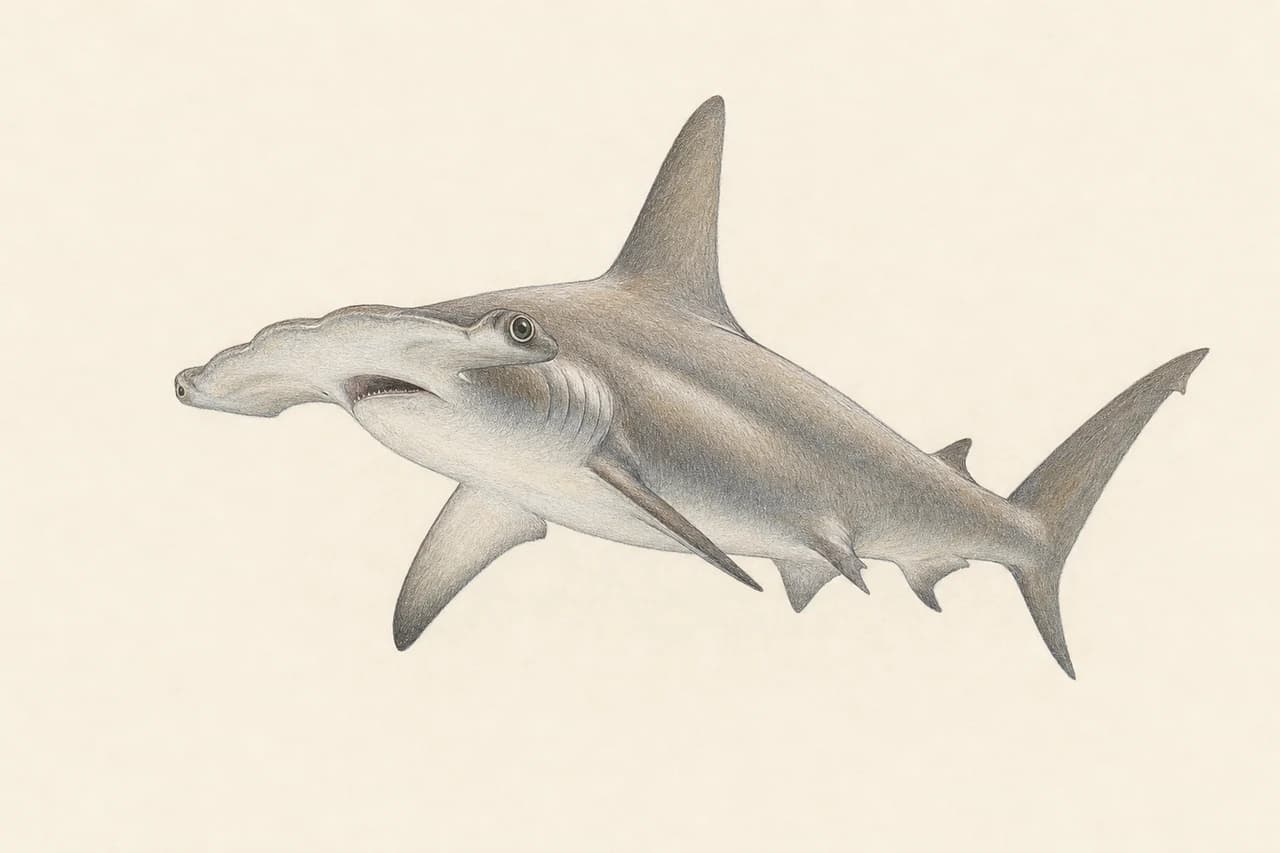 Hammerhead sharks12 regions · peak January–MarchScalloped hammerheads school in large numbers around offshore seamounts and pinnacles, usually in cooler water and stronger current. Great hammerheads are solitary and seen at a handful of seasonal hotspots.
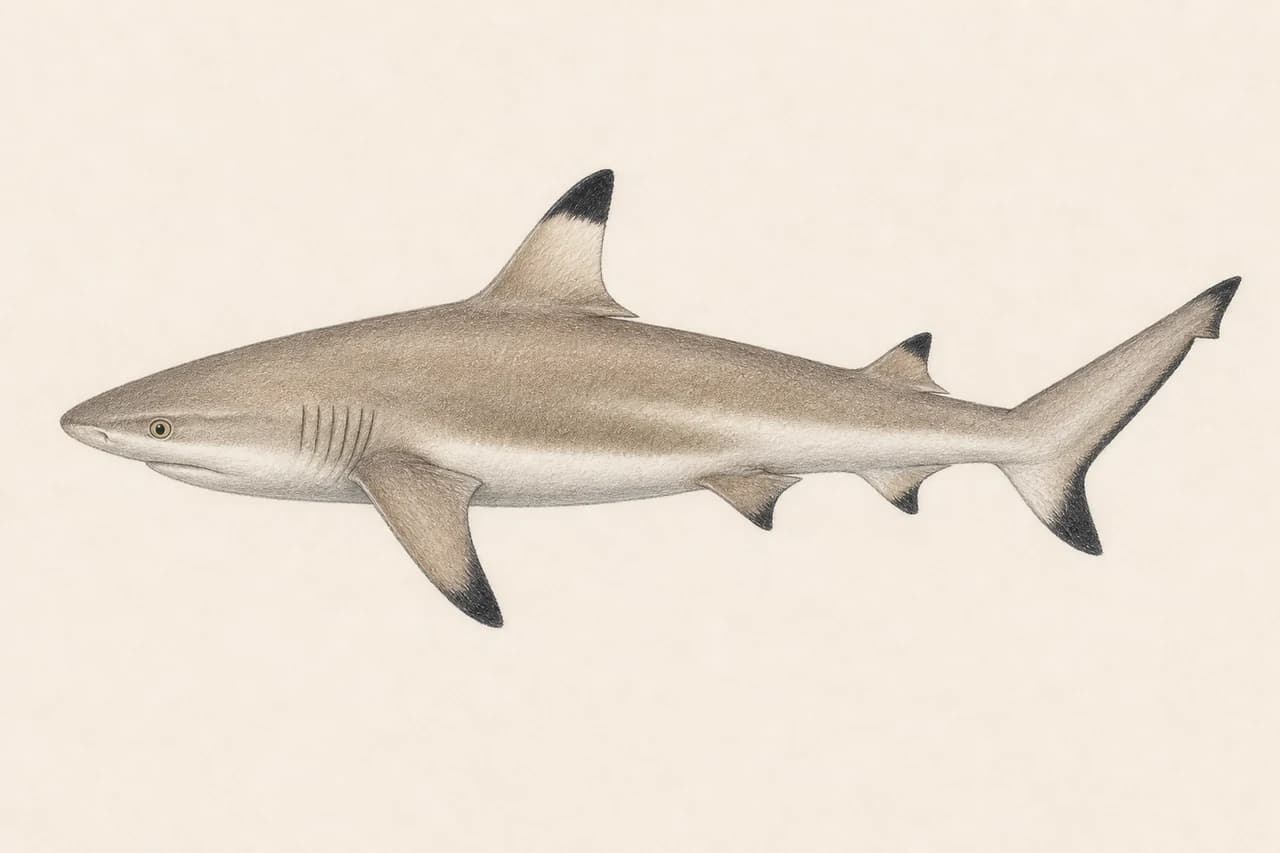 Reef sharks34 regions · peak December–AprilGrey reef, whitetip, blacktip and Caribbean reef sharks patrol channels, walls and drop-offs. They are resident in many regions, with bigger aggregations where currents bring food or during mating seasons.
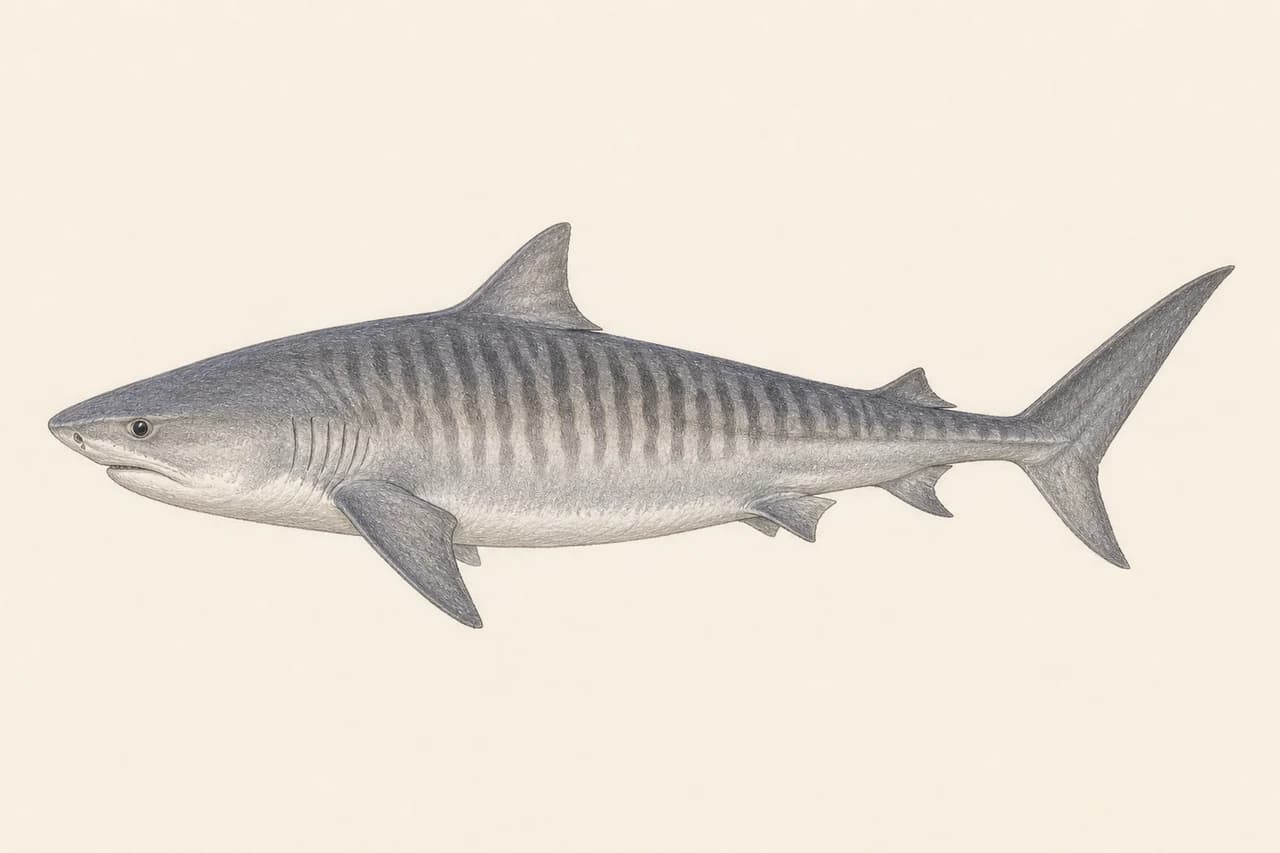 Tiger sharks4 regions · peak December–MarchLarge, powerful sharks usually seen on guided baited dives at a few specialist sites, with seasonal peaks in numbers.
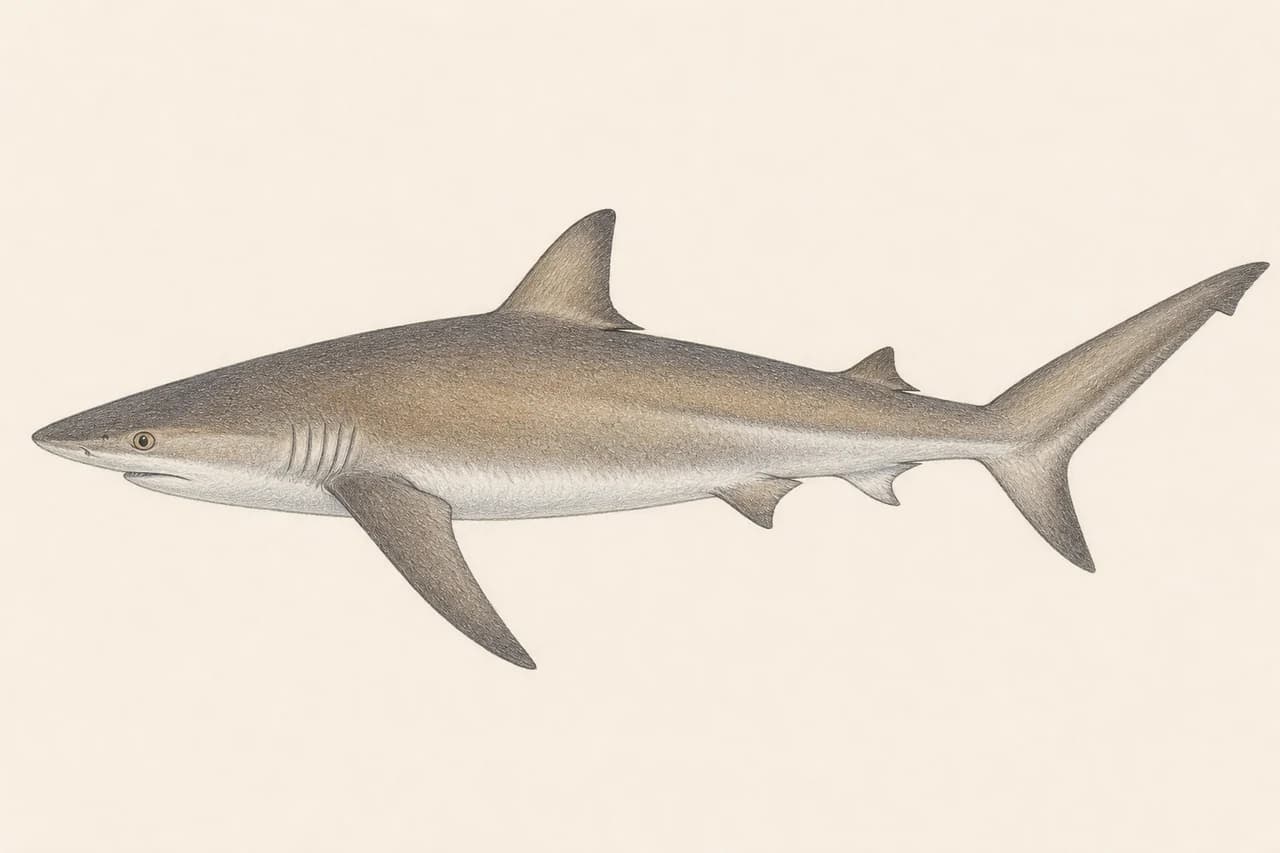 Silky sharks4 regionsSleek, curious oceanic sharks that gather around offshore islands, seamounts and sometimes boats in large numbers. They are mostly a blue-water encounter at remote, current-swept sites.
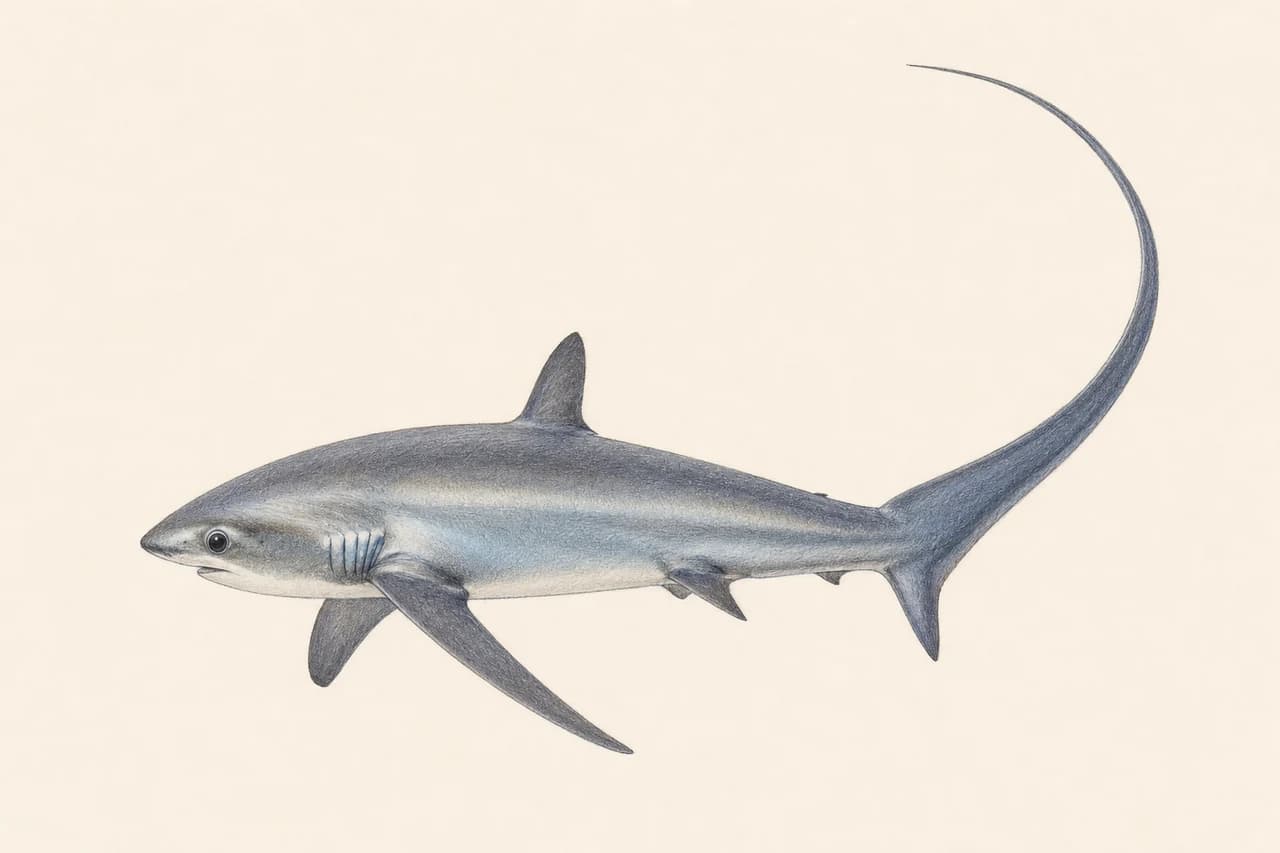 Thresher sharks3 regions · peak October–DecemberRecognised by their enormously long tails, thresher sharks live in deep water and rise to shallower cleaning stations around dawn. Malapascua in the Philippines is the one place they are seen almost daily.
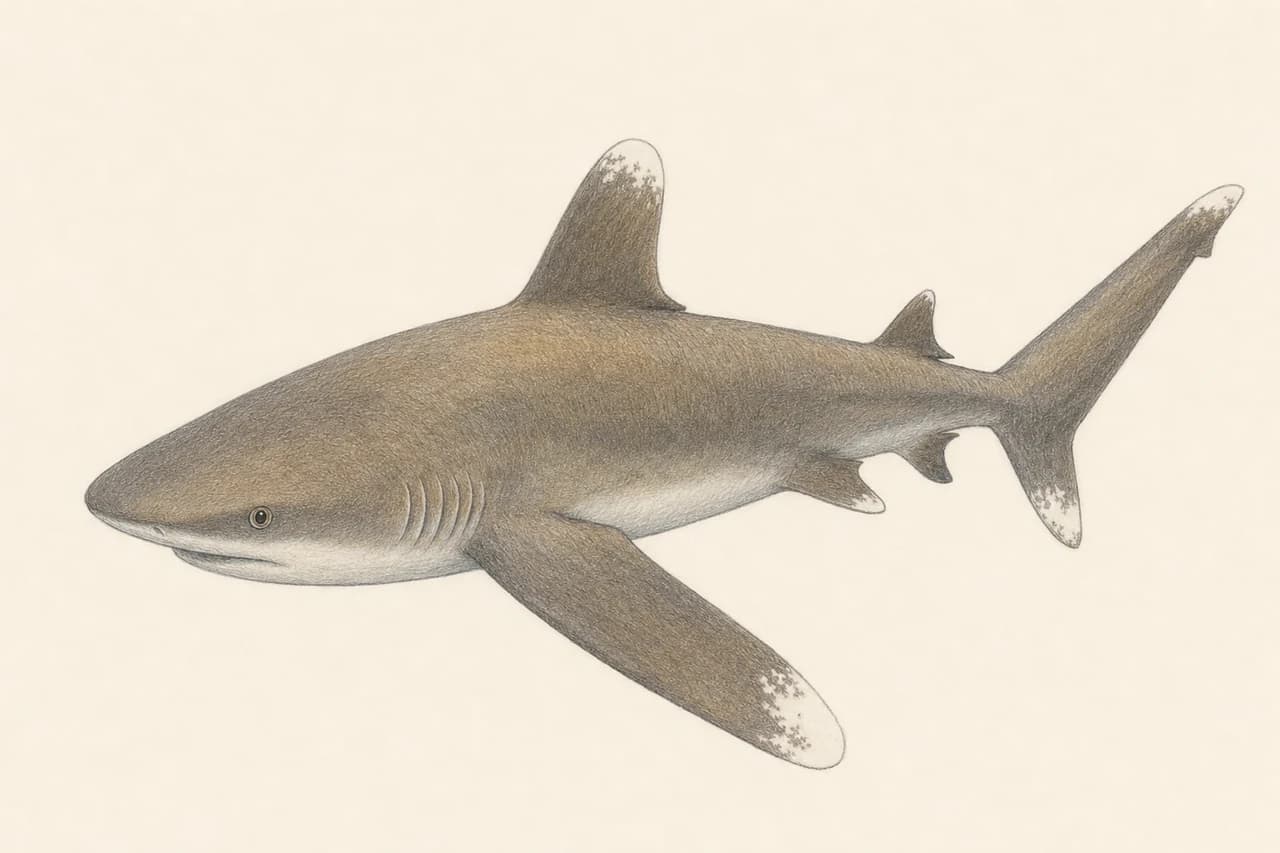 Oceanic whitetip sharks2 regions · peak April–May, July–OctoberBold open-ocean sharks with broad, white-tipped fins, now critically endangered. Divers meet them in blue water at a few offshore spots during short seasons.
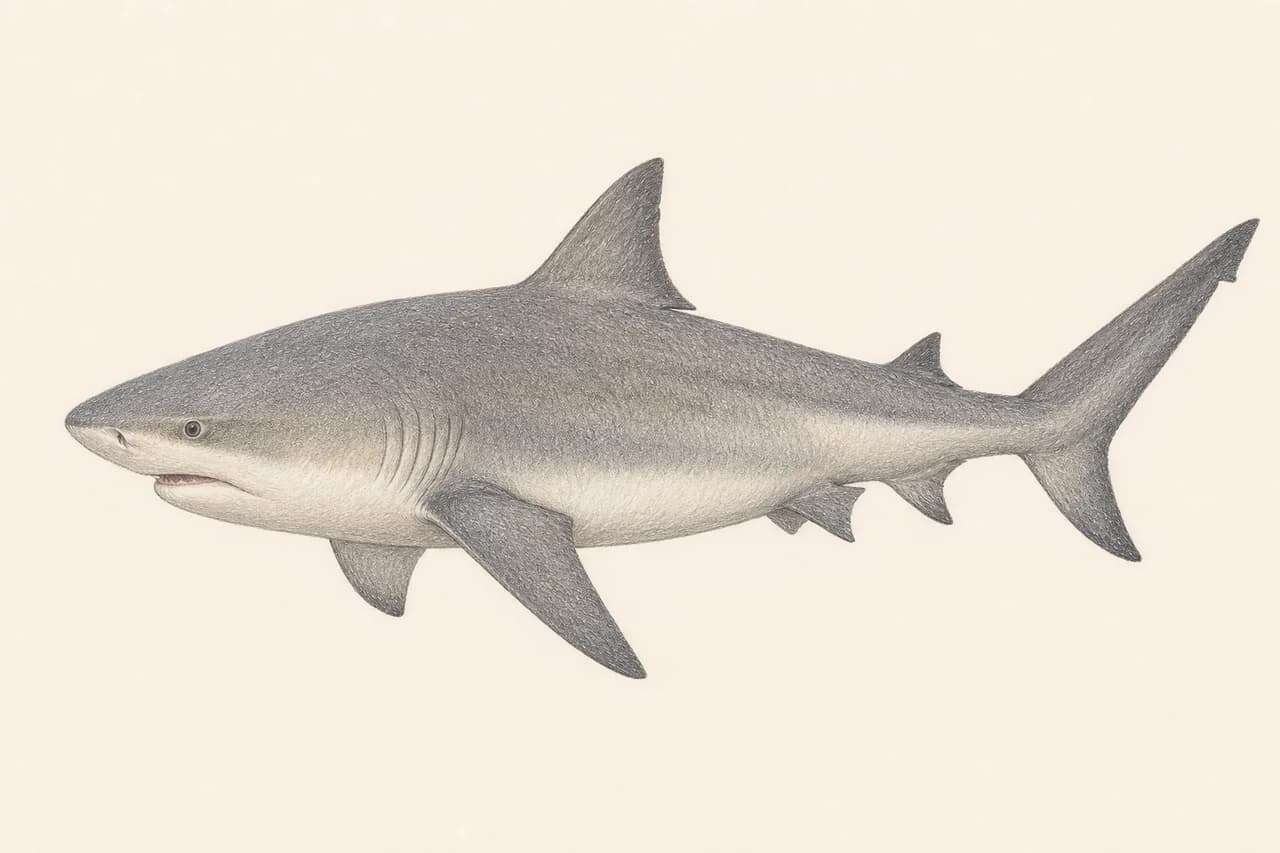 Bull sharks2 regions · peak December–FebruaryStocky, powerful sharks seen on guided dives where pregnant females gather seasonally, most famously off Playa del Carmen in winter and at Fiji's Shark Reef.
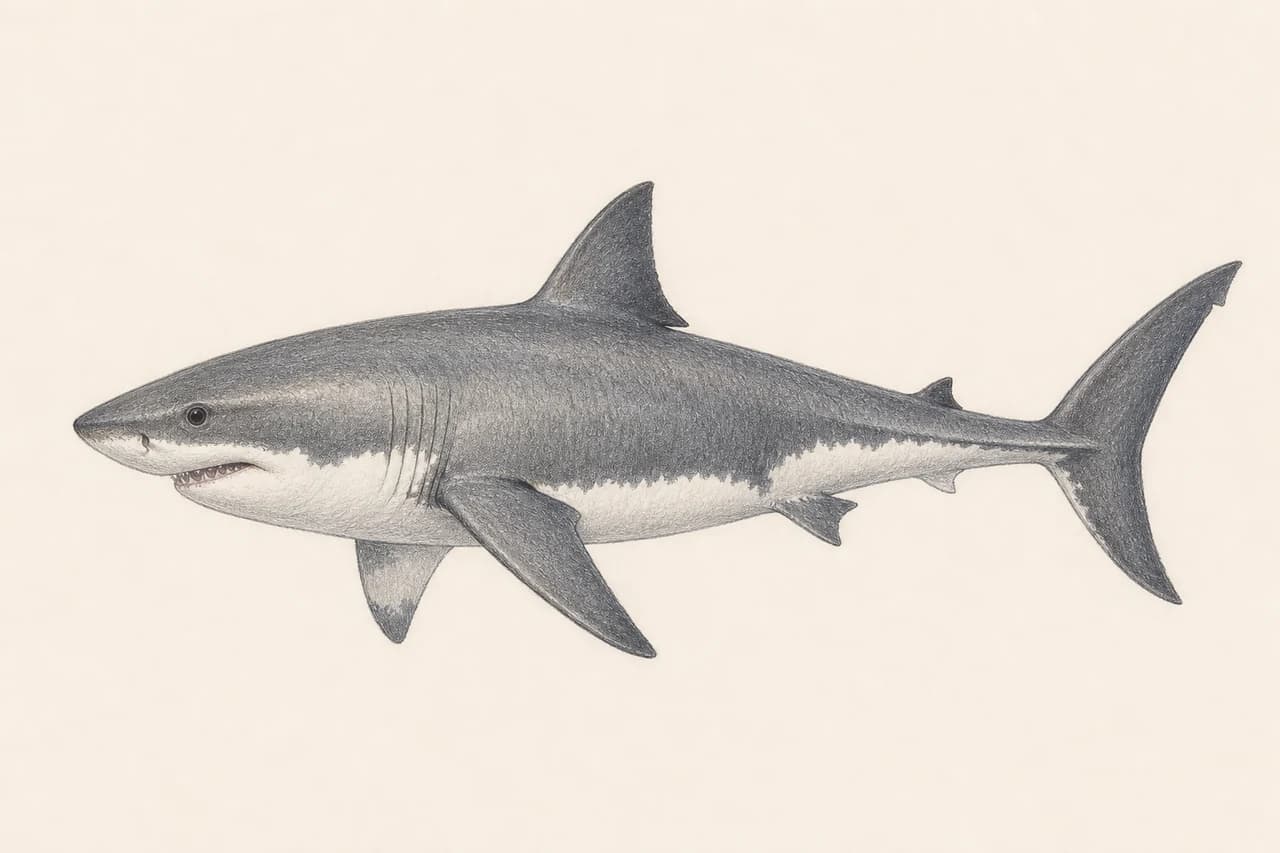 Great white sharks1 region · peak April–OctoberThe ocean's best-known predator is met from cages at a few cold-water sites where seals gather, with numbers changing through the year.
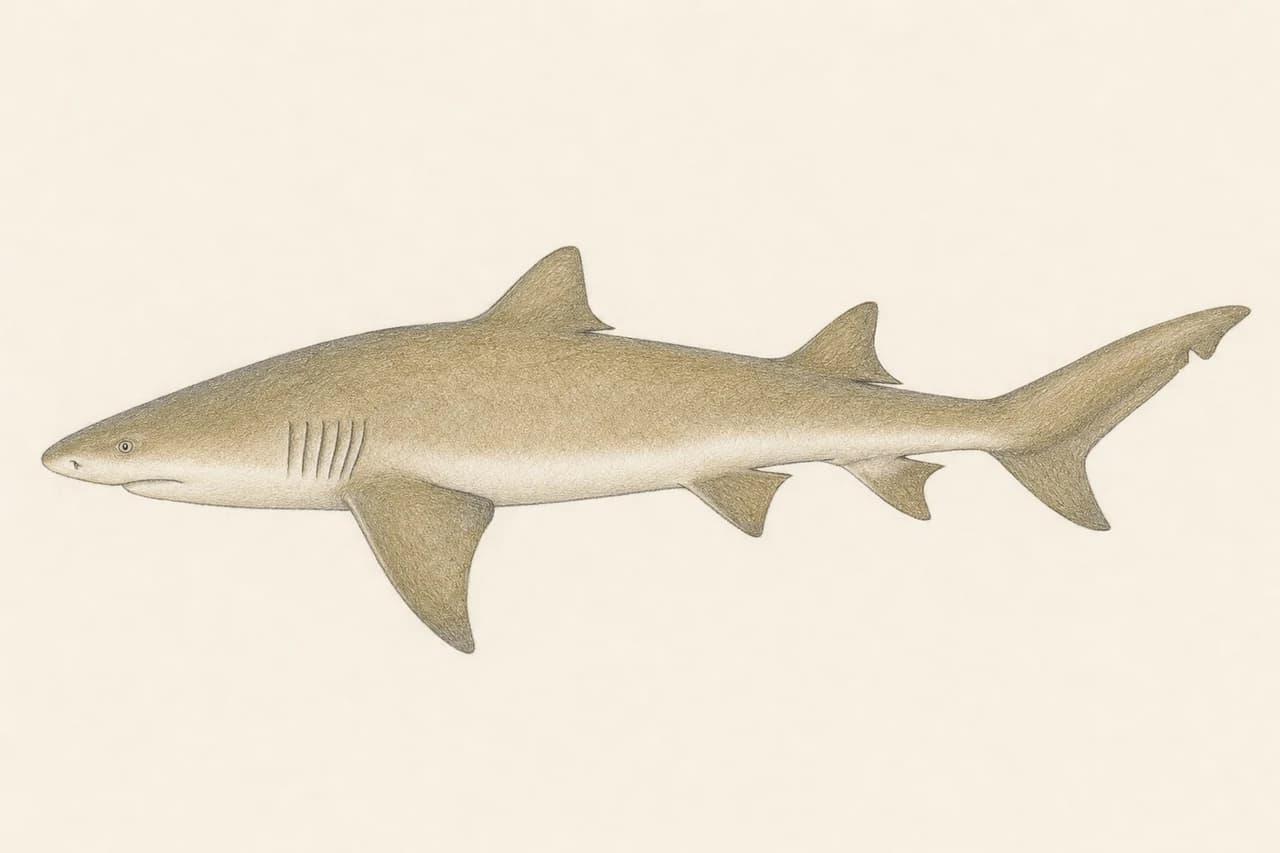 Lemon sharks2 regionsYellow-brown sharks of shallow sand flats, mangroves and reefs. They are often seen resting on the bottom or circling on shark dives in the Bahamas and Brazil.
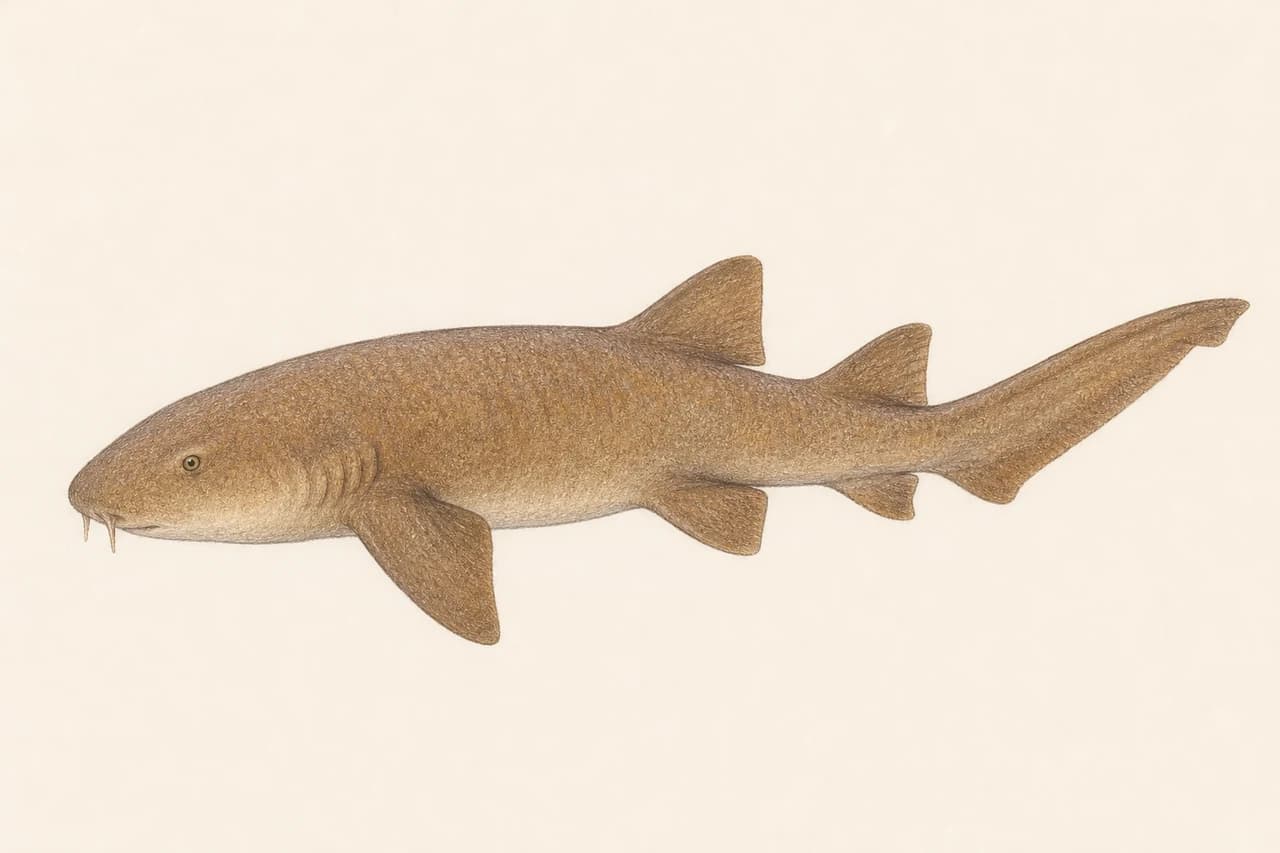 Nurse sharks4 regionsNurse sharks rest around reef ledges and sand, with some regions offering dedicated encounters. Choose between reef scuba dives and shallow snorkeling, and check which kind of nurse shark the local operator targets.
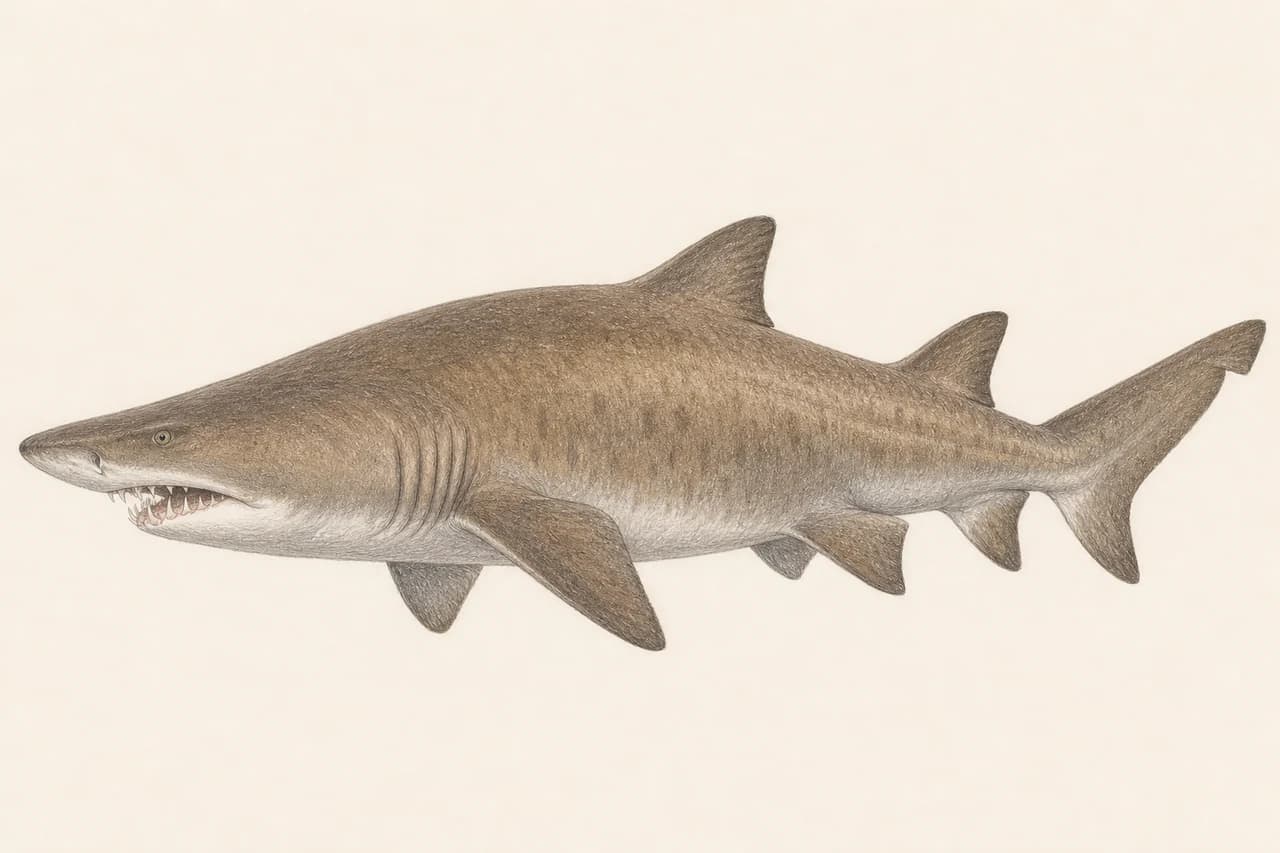 Sand tiger sharks (ragged-tooth and grey nurse)3 regions · peak July–NovemberToothy but placid sharks that hover in gullies and caves, often in groups. South Africa calls them ragged-tooth sharks and Australia grey nurse sharks; the deep-living smalltooth sand tiger is a rare sight at Malpelo.
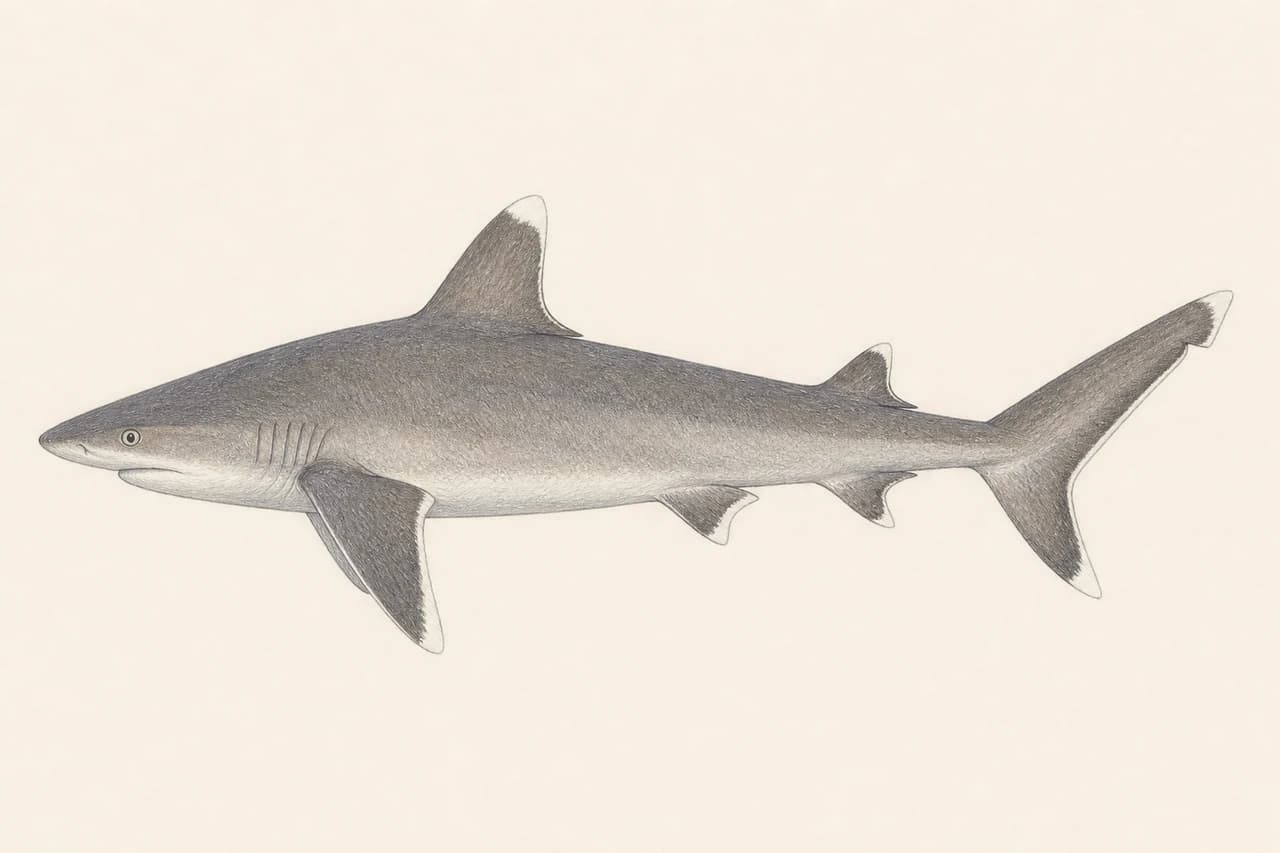 Silvertip sharks2 regionsBold reef-edge sharks with brilliant white fin tips, found along deep walls and offshore reefs in the Indo-Pacific and Red Sea.
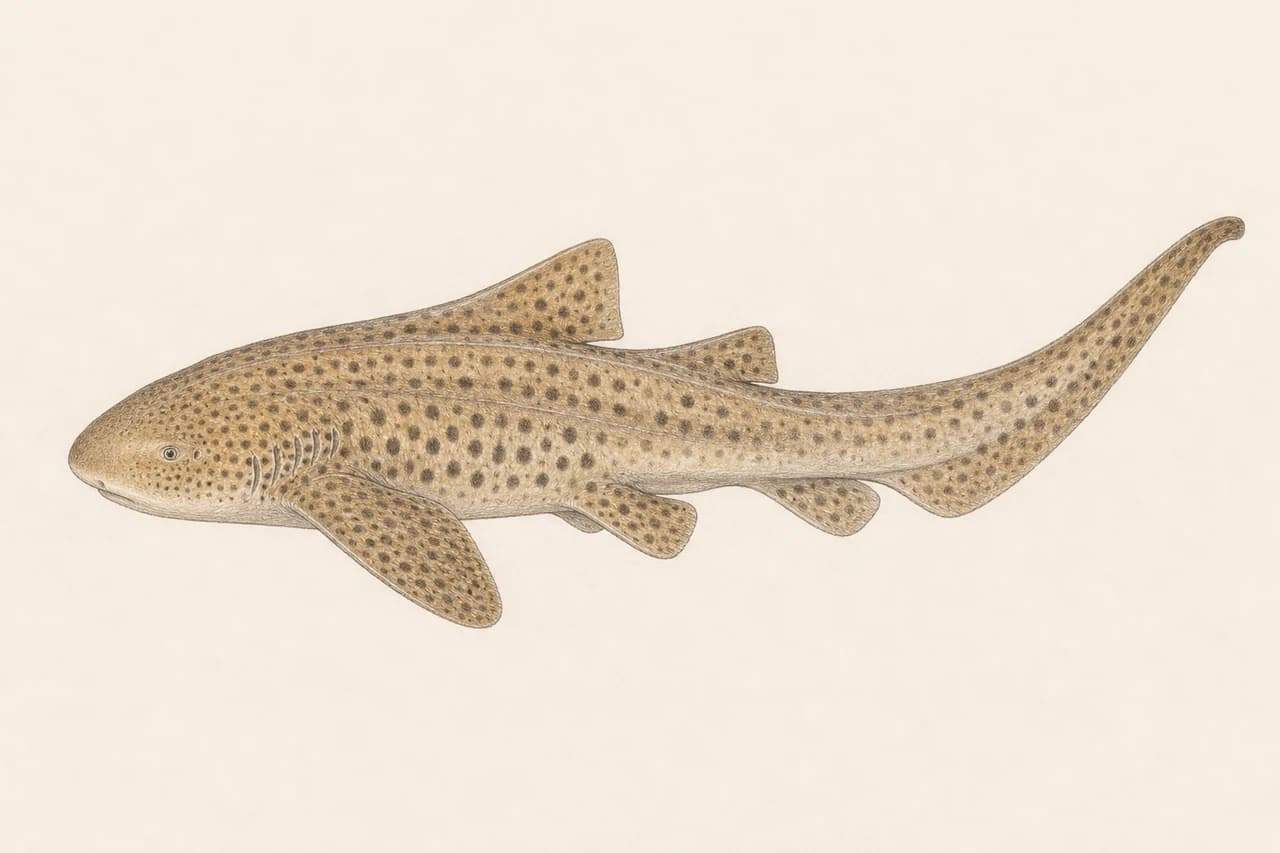 Leopard (zebra) sharks2 regionsSpotted, slow-moving sharks that rest on sand near reefs. Known as zebra sharks in much of the Indo-Pacific, they gather seasonally at a few sites.
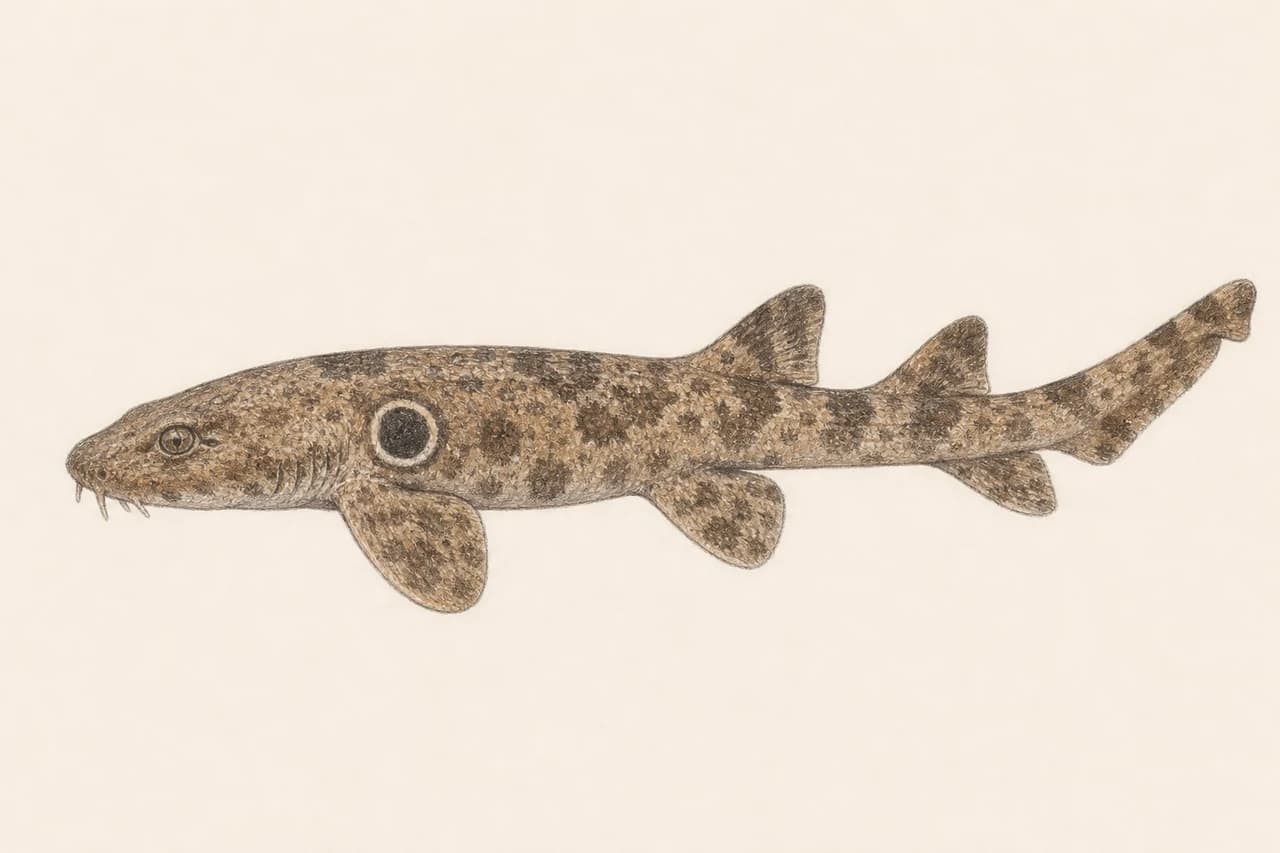 Walking sharks3 regionsSmall epaulette sharks that 'walk' across the reef on their fins, mostly at night. Several species are found only in small parts of eastern Indonesia.
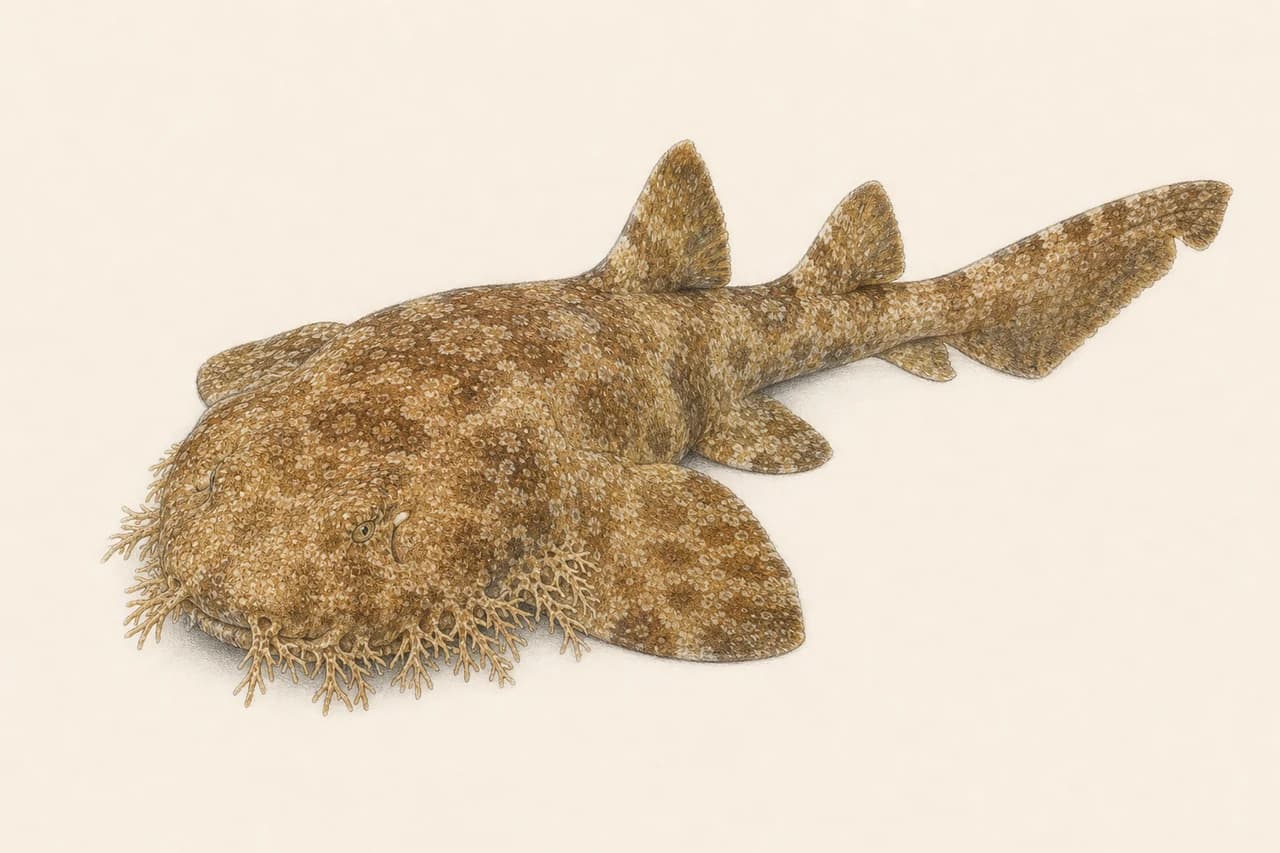 Wobbegongs1 regionFlat, fringed carpet sharks so well camouflaged they look like part of the reef. The tasselled wobbegong of Raja Ampat is a favourite to find under table corals.
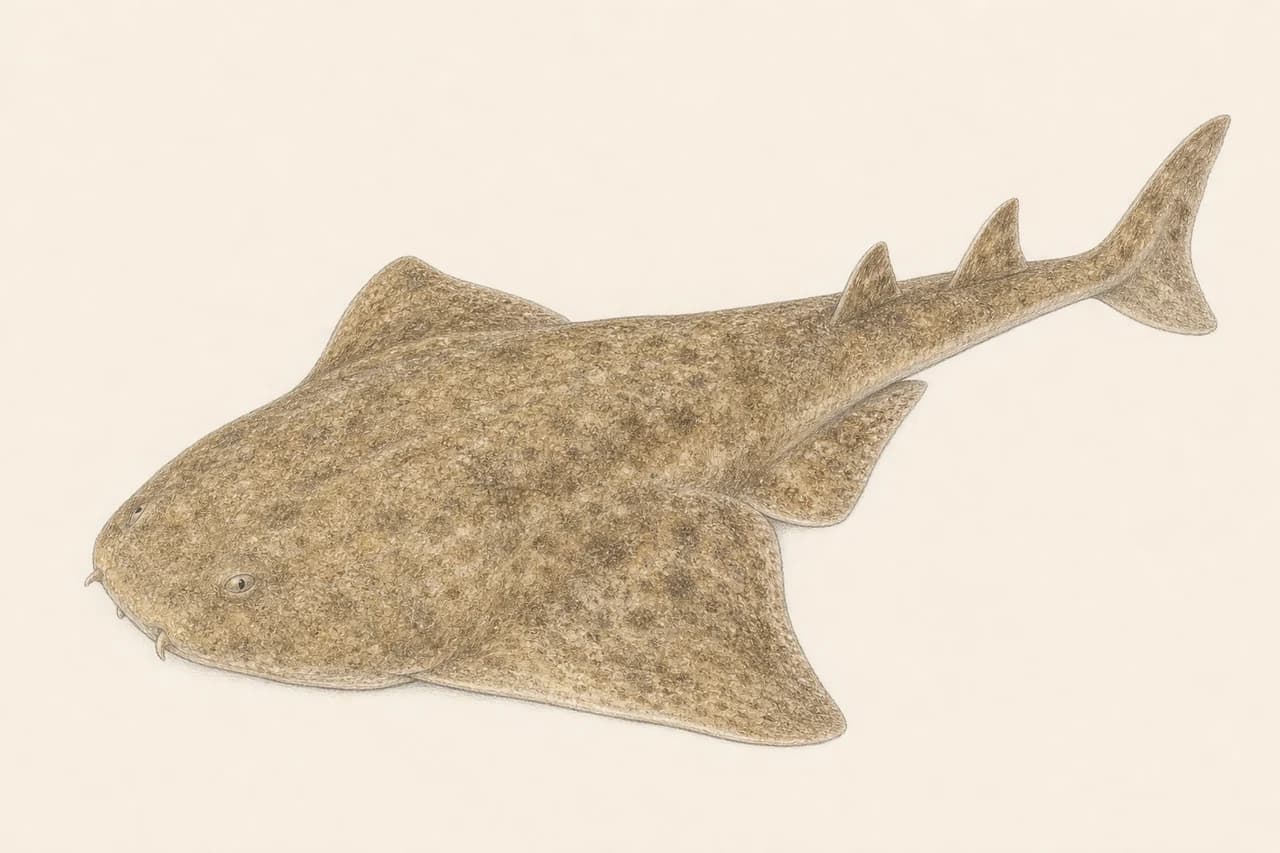 Angel sharks1 region · peak November–MarchFlattened, critically endangered sharks that bury themselves in sand. The Canary Islands are their last stronghold, with adults most often seen in winter.
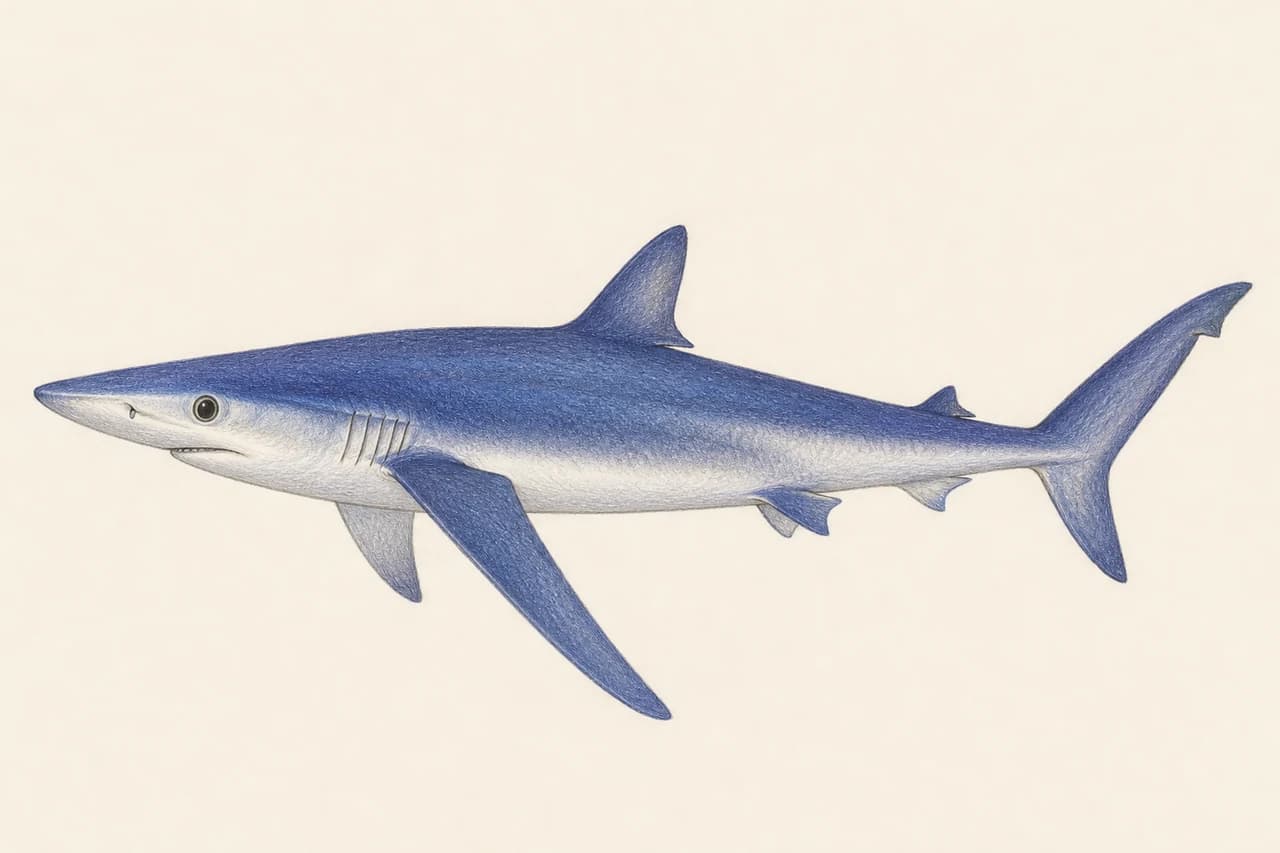 Blue sharks1 region · peak August–SeptemberSlender, deep-blue ocean sharks met on offshore blue-water dives, mostly in summer in the Azores and other temperate oceans.
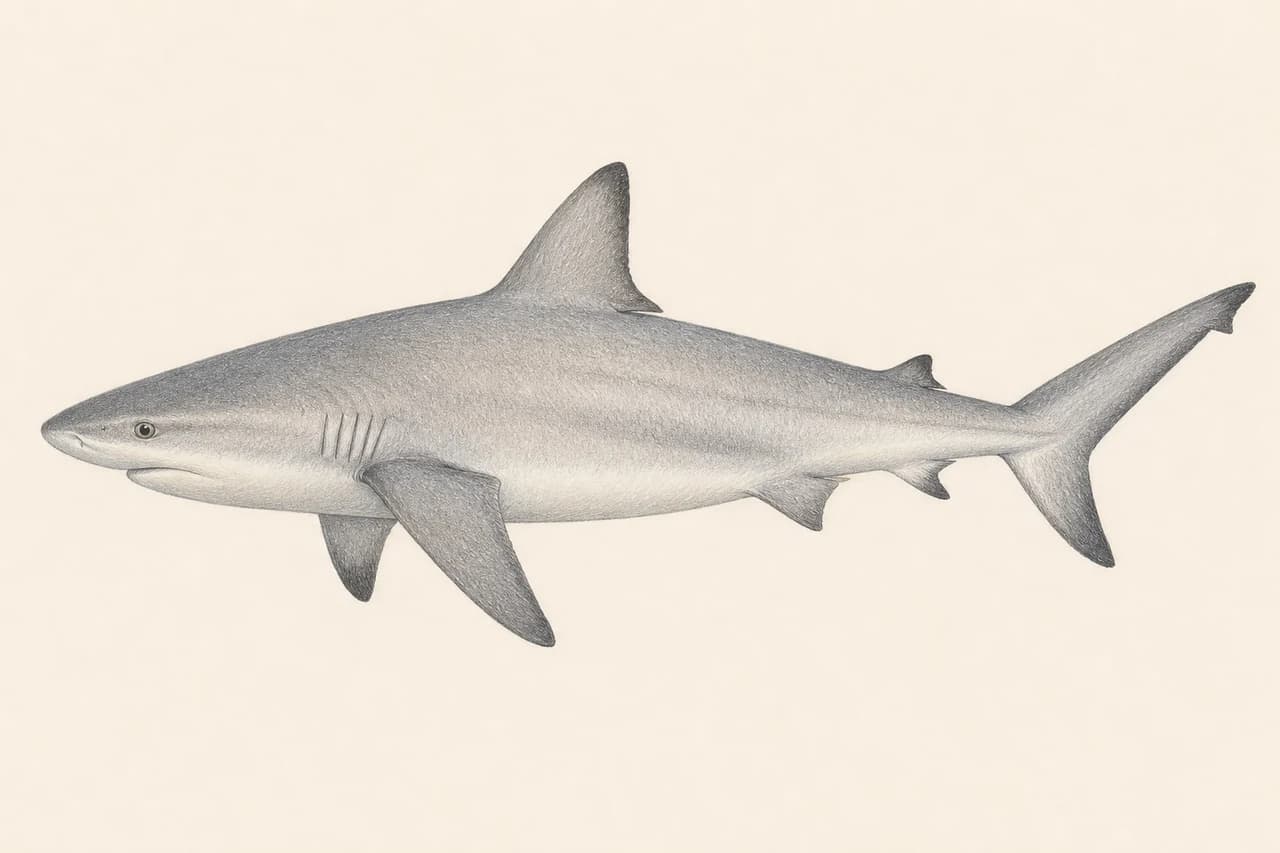 Galápagos sharks1 regionLarge requiem sharks of remote oceanic islands, seen in numbers around Darwin and Wolf in the Galápagos.
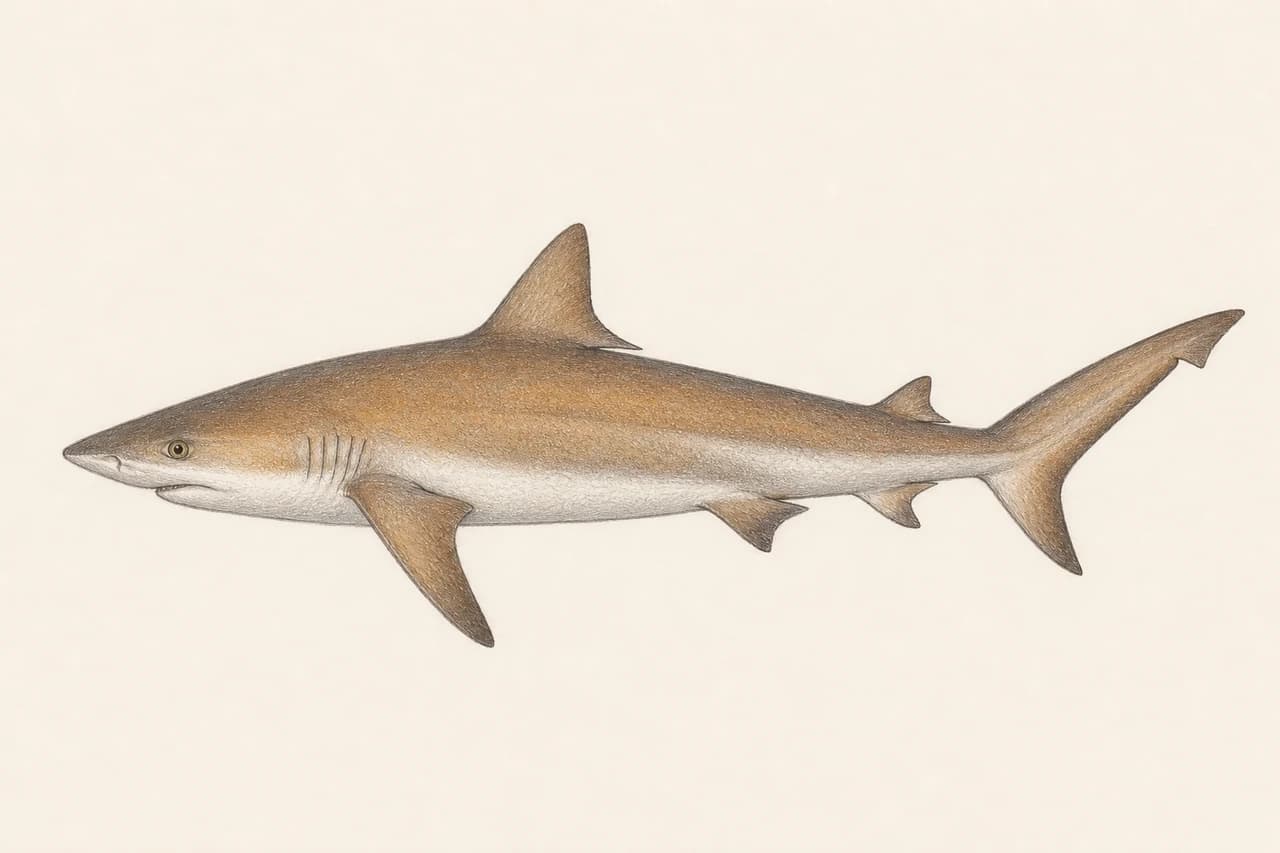 Bronze whaler sharks2 regions · peak June–JulyCopper-coloured sharks of temperate seas that follow schools of fish, most famously during South Africa's sardine run.
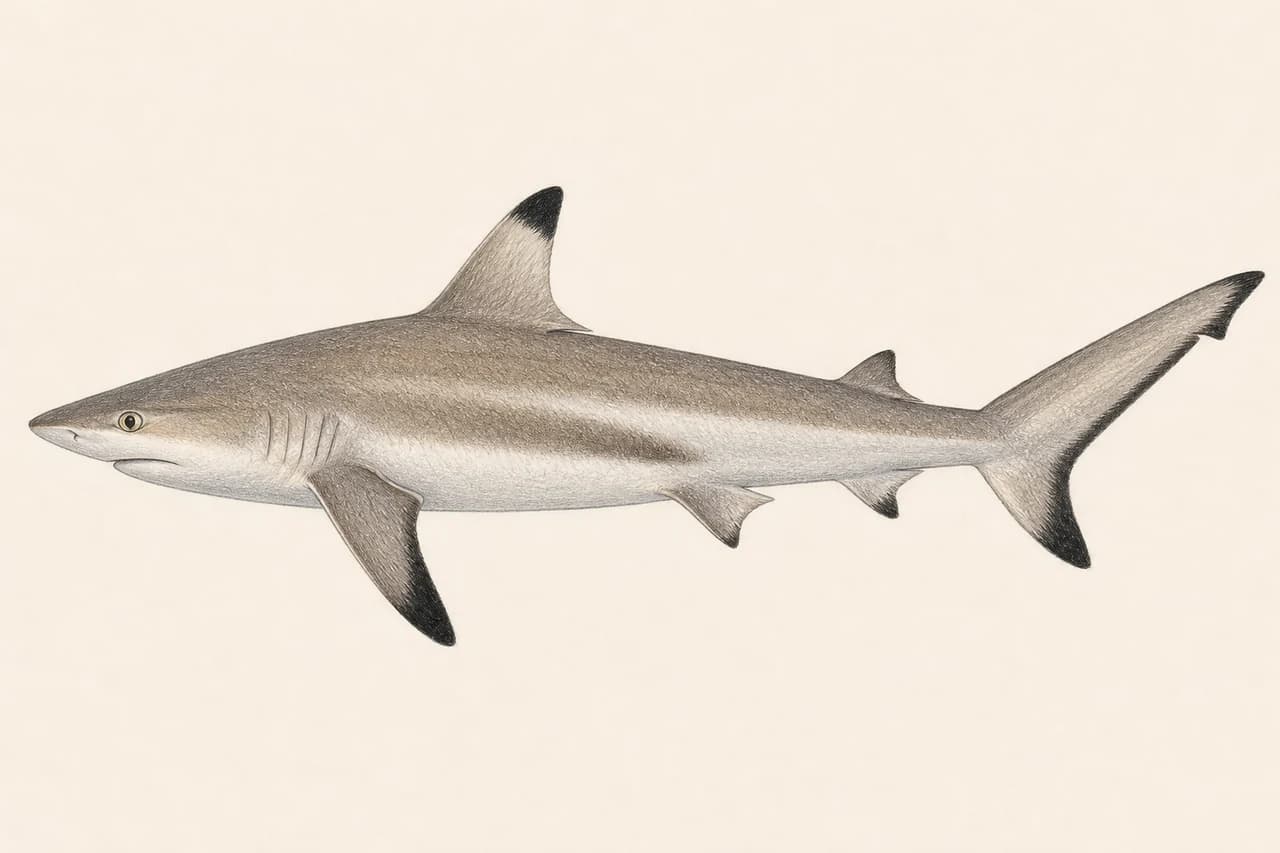 Blacktip sharks1 regionFast, active sharks that gather on baited shark dives, with oceanic blacktips the main act at South Africa's Aliwal Shoal.
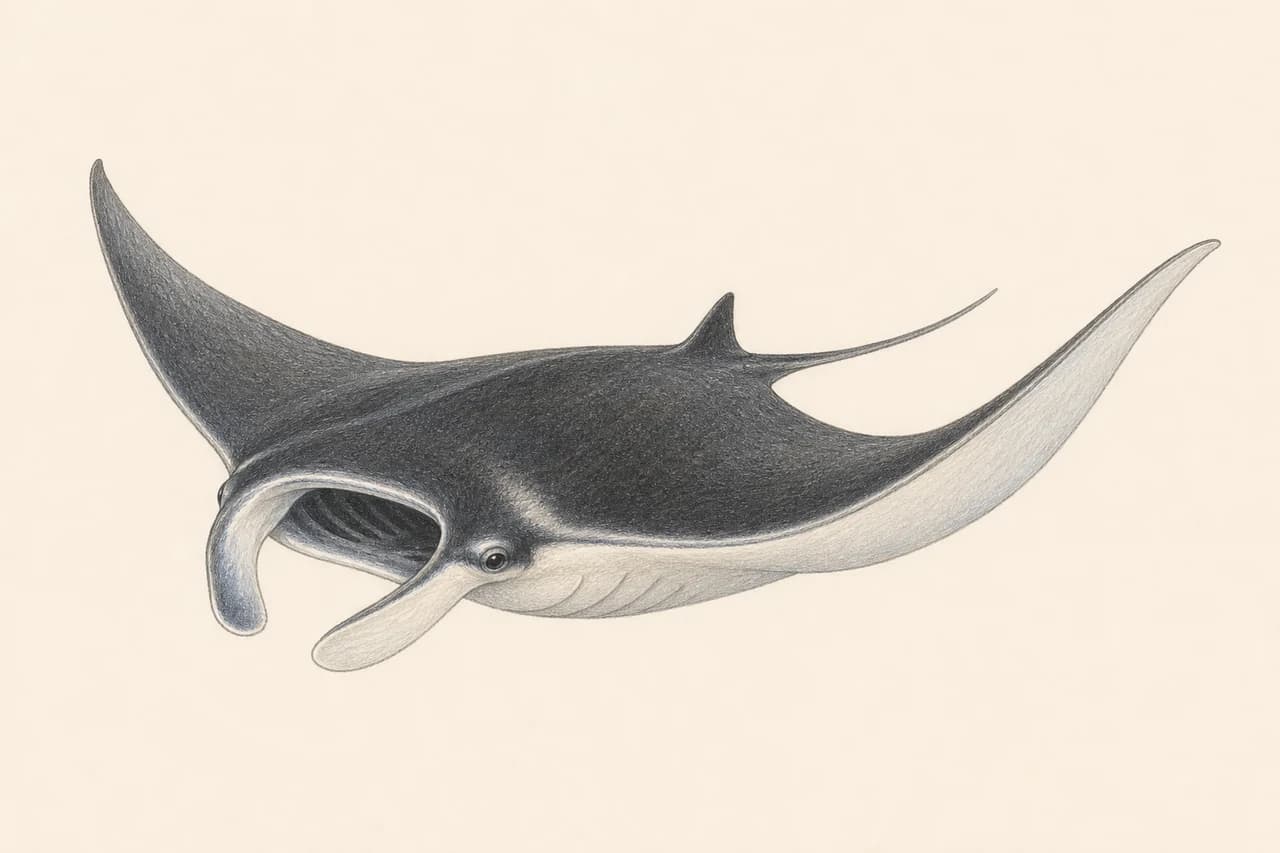 Manta rays26 regionsReef mantas visit cleaning stations and feed on plankton close to shore, while oceanic mantas range further offshore. Both follow plankton, so monsoon winds and upwelling seasons decide when they are most reliable.
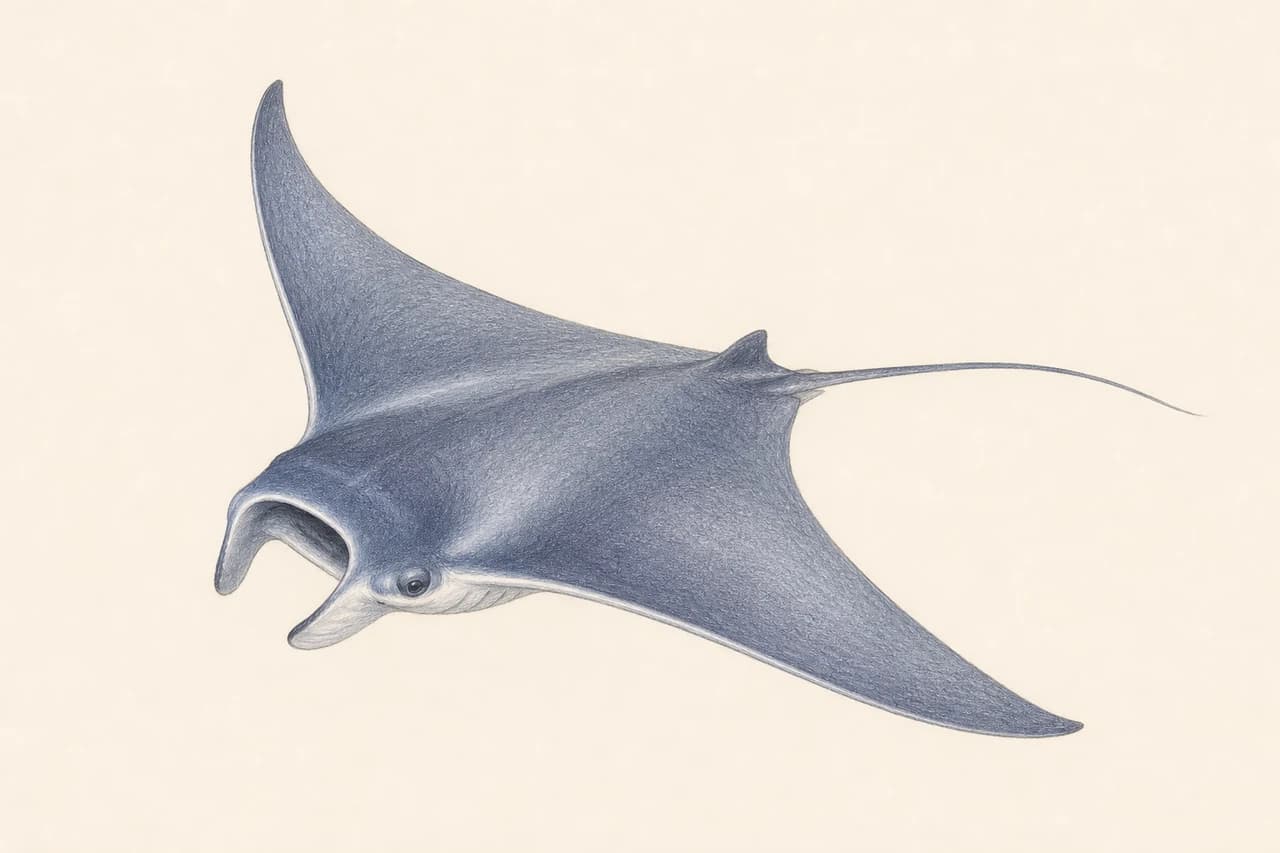 Mobula (devil) rays2 regions · peak May–SeptemberSmaller relatives of mantas that gather in huge schools at seamounts and in the Sea of Cortez, sometimes leaping clear of the water.
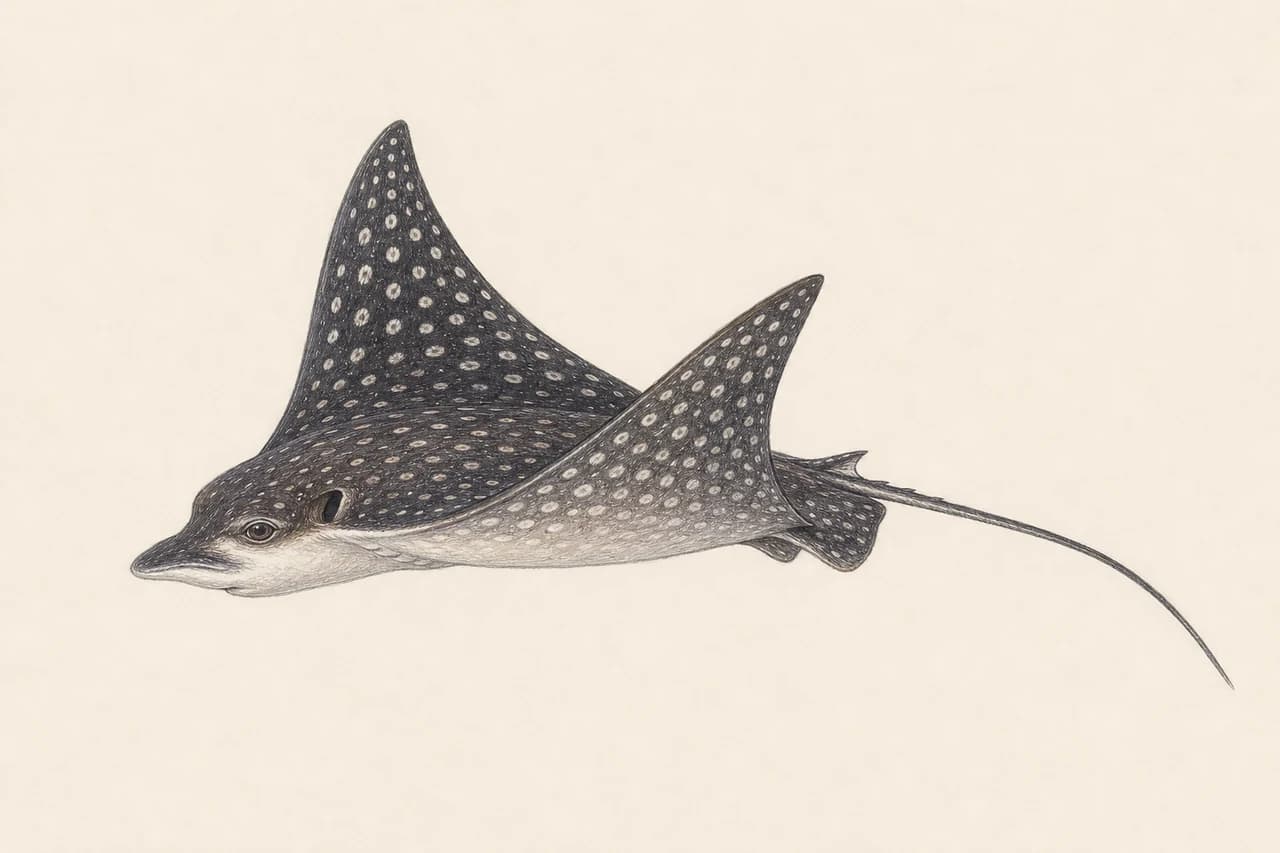 Eagle rays9 regions · peak January–MarchSpotted eagle rays glide over sand channels and along walls, sometimes in schools when currents are running.
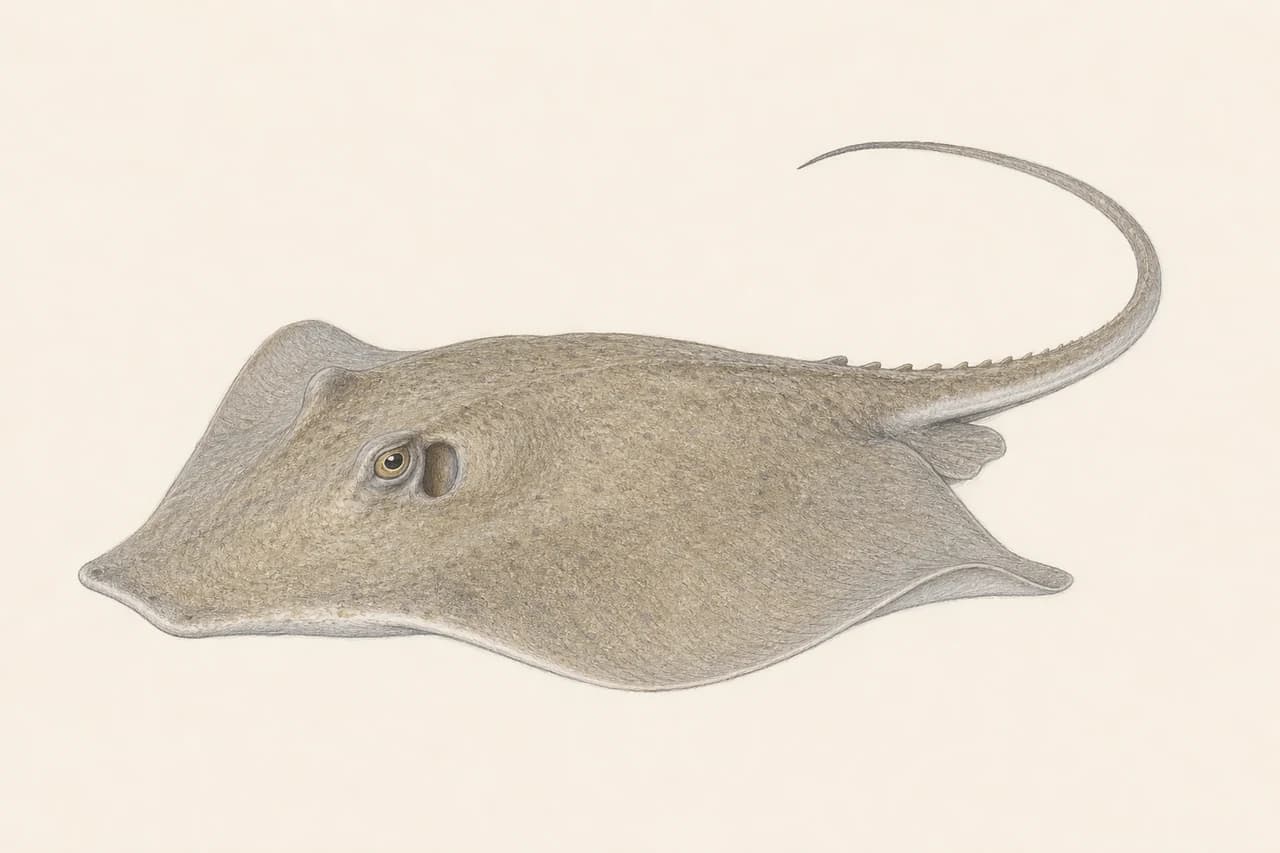 Stingrays7 regions · peak December–FebruaryBottom-dwelling rays found on sand flats and reefs, from the friendly southern stingrays of the Caymans to giant short-tail and small-eye stingrays in cooler or remote waters.
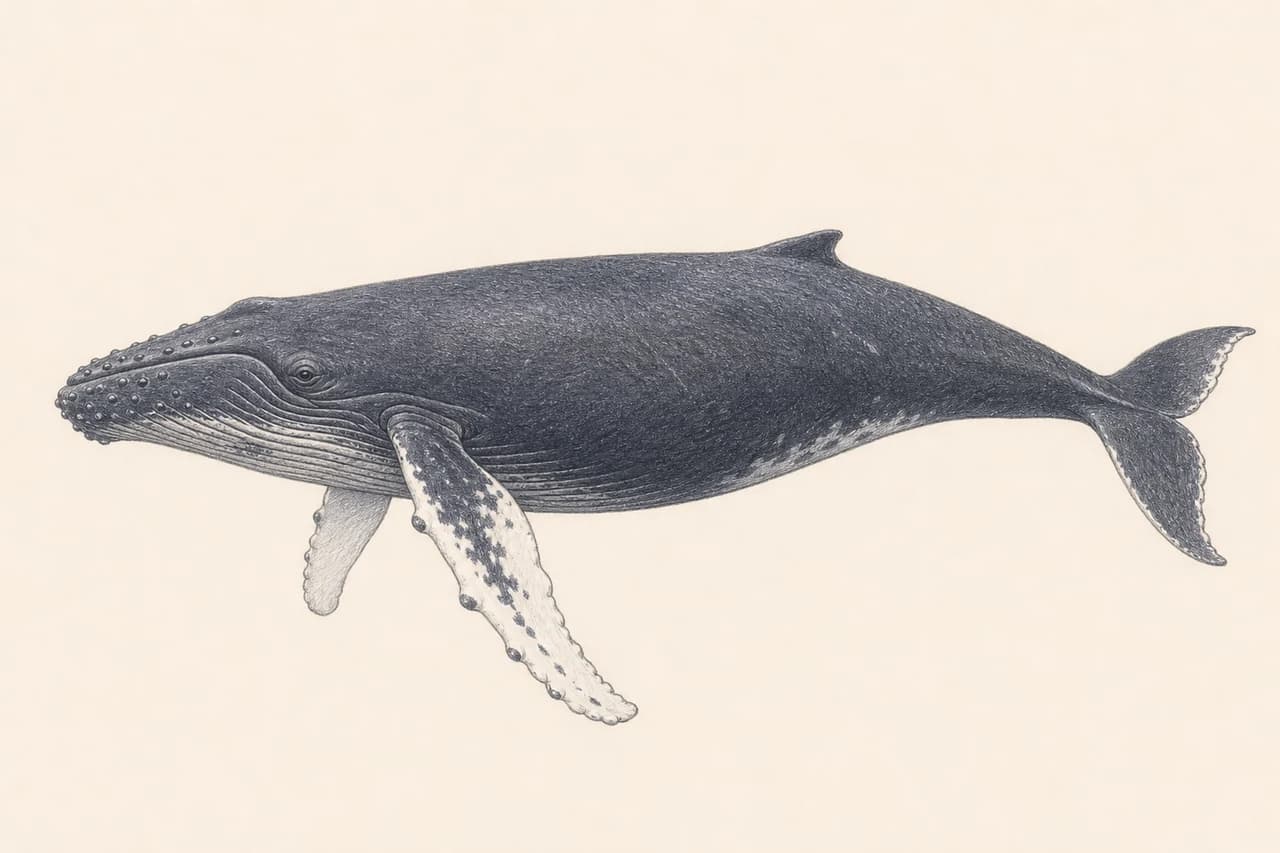 Humpback whales10 regions · peak February–March, AugustHumpbacks migrate between cold feeding grounds and warm breeding grounds, passing dive regions at predictable times of year. In most places they are seen from the boat or heard underwater rather than met on scuba.
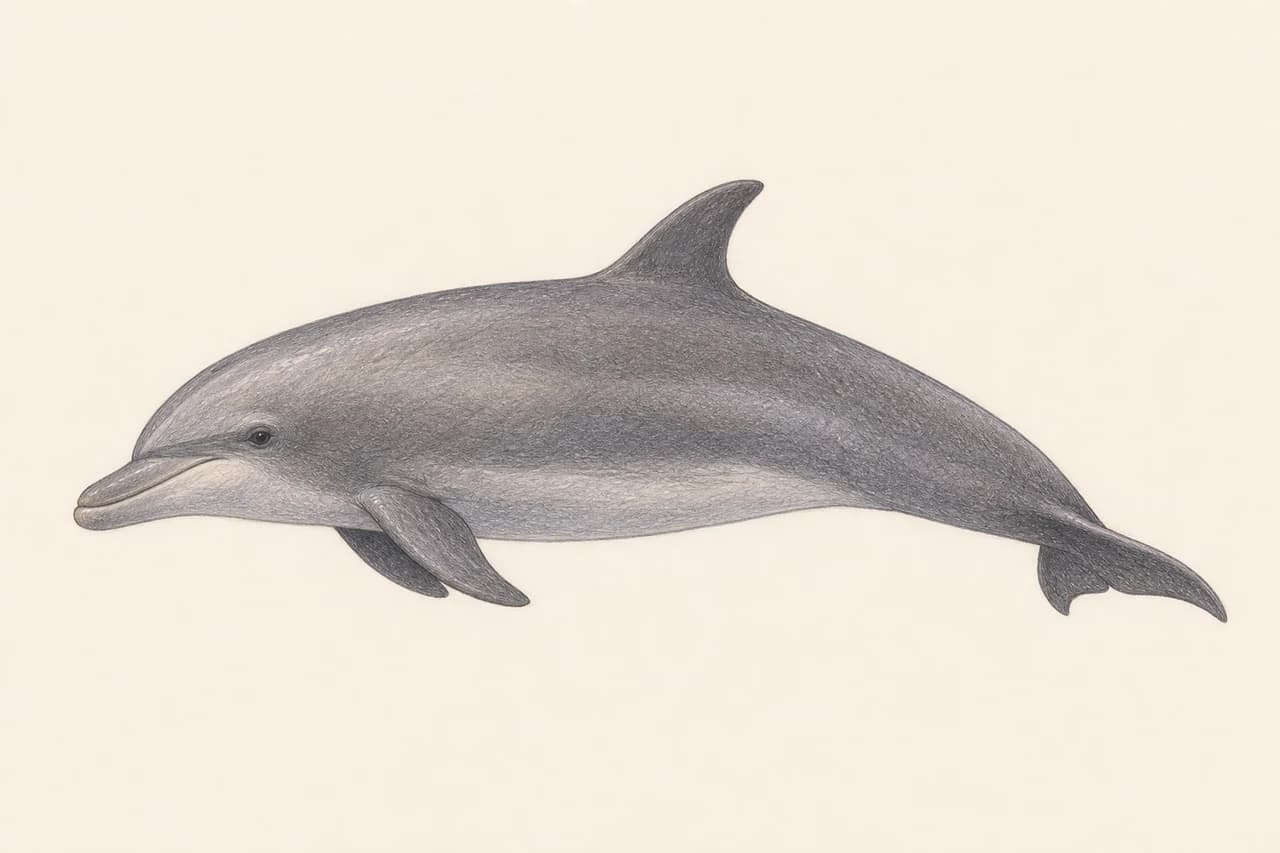 Dolphins12 regions · peak June–JulySpinner, bottlenose and common dolphins are often met on boat transfers and occasionally underwater. Resident pods make some regions reliable year-round.
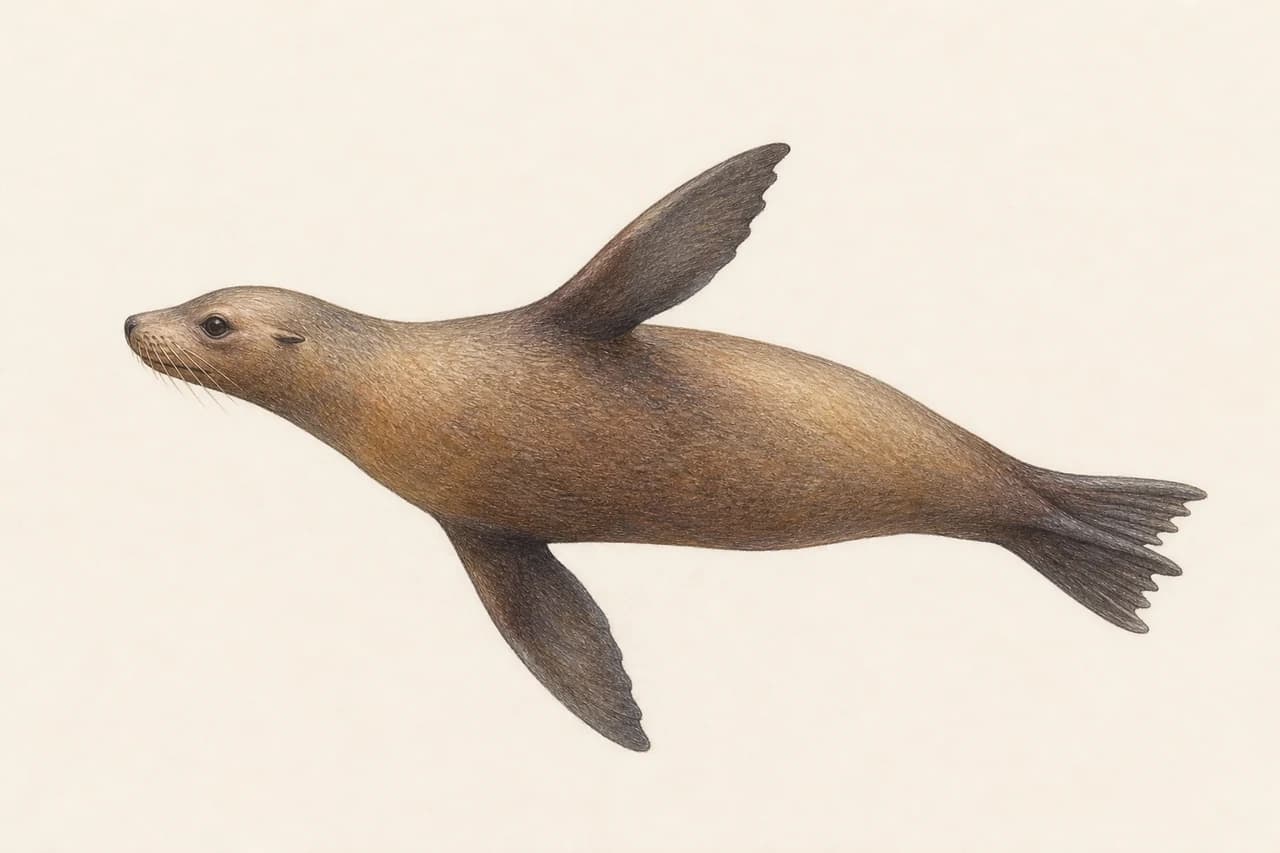 Sea lions and seals5 regionsPlayful pinnipeds that often approach divers, especially young animals. Colonies are year-round in most places, with pupping seasons changing how active and curious they are.
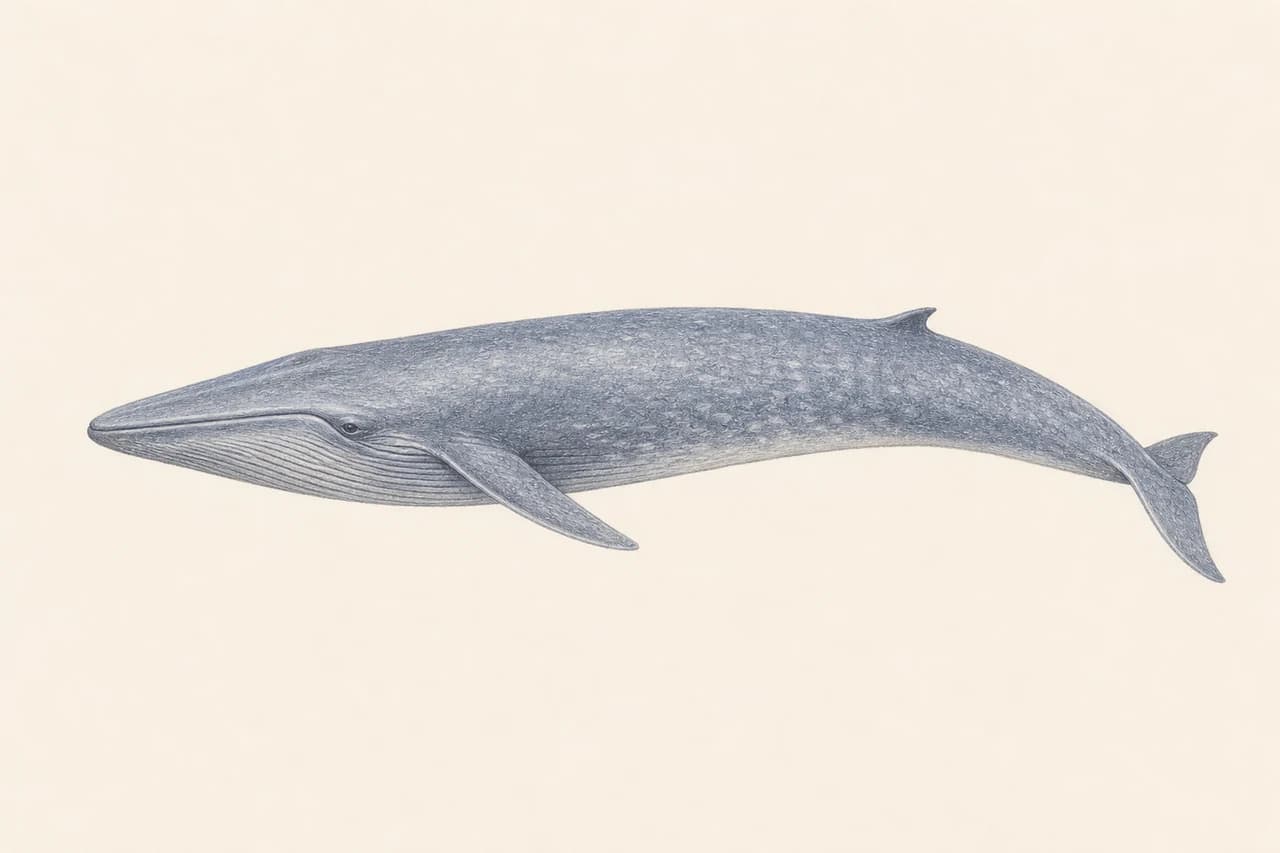 Blue whales1 region · peak April–JulyThe largest animal that has ever lived, seen from boats on whale-watching trips where deep water comes close to shore, as off Sri Lanka.
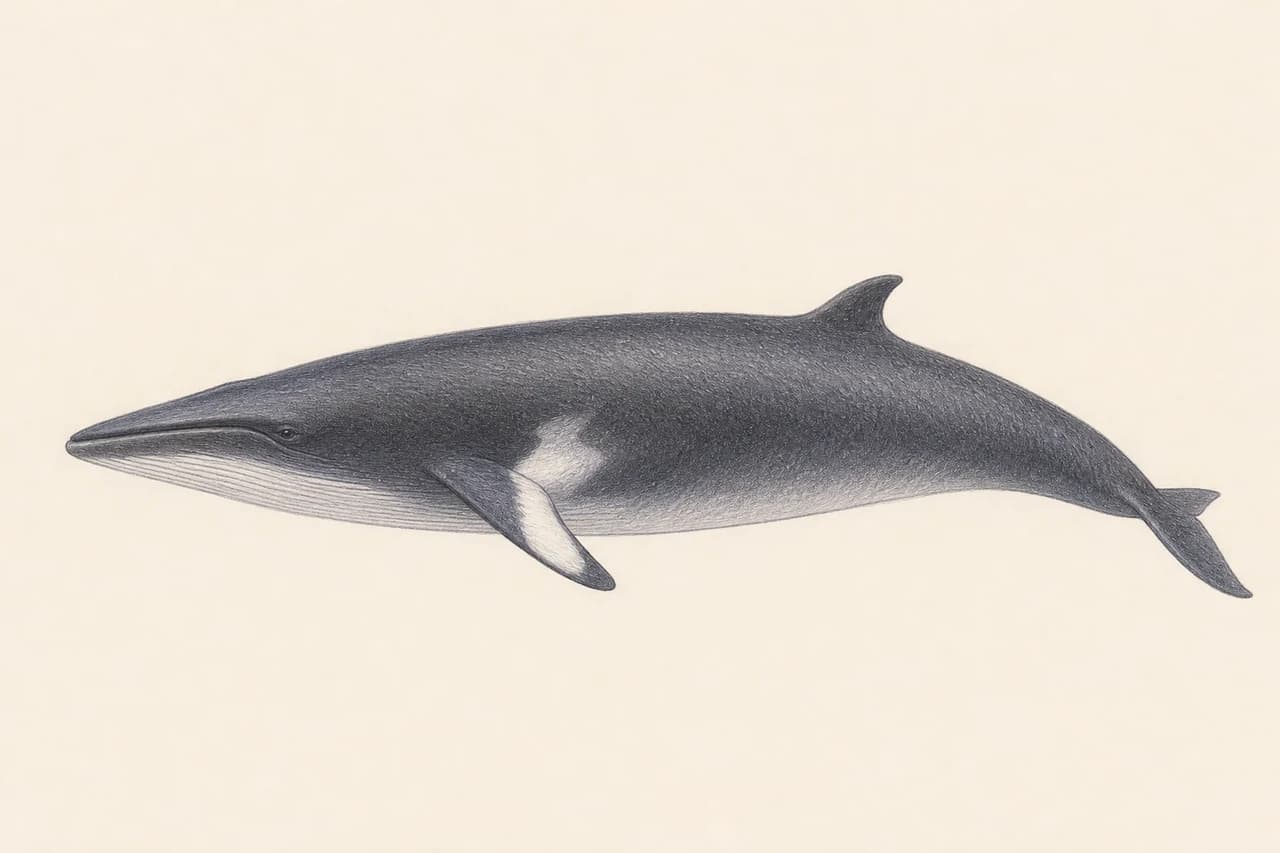 Dwarf minke whales1 region · peak June–JulySmall, curious whales that approach snorkellers on the Great Barrier Reef's Ribbon Reefs during a short winter season.
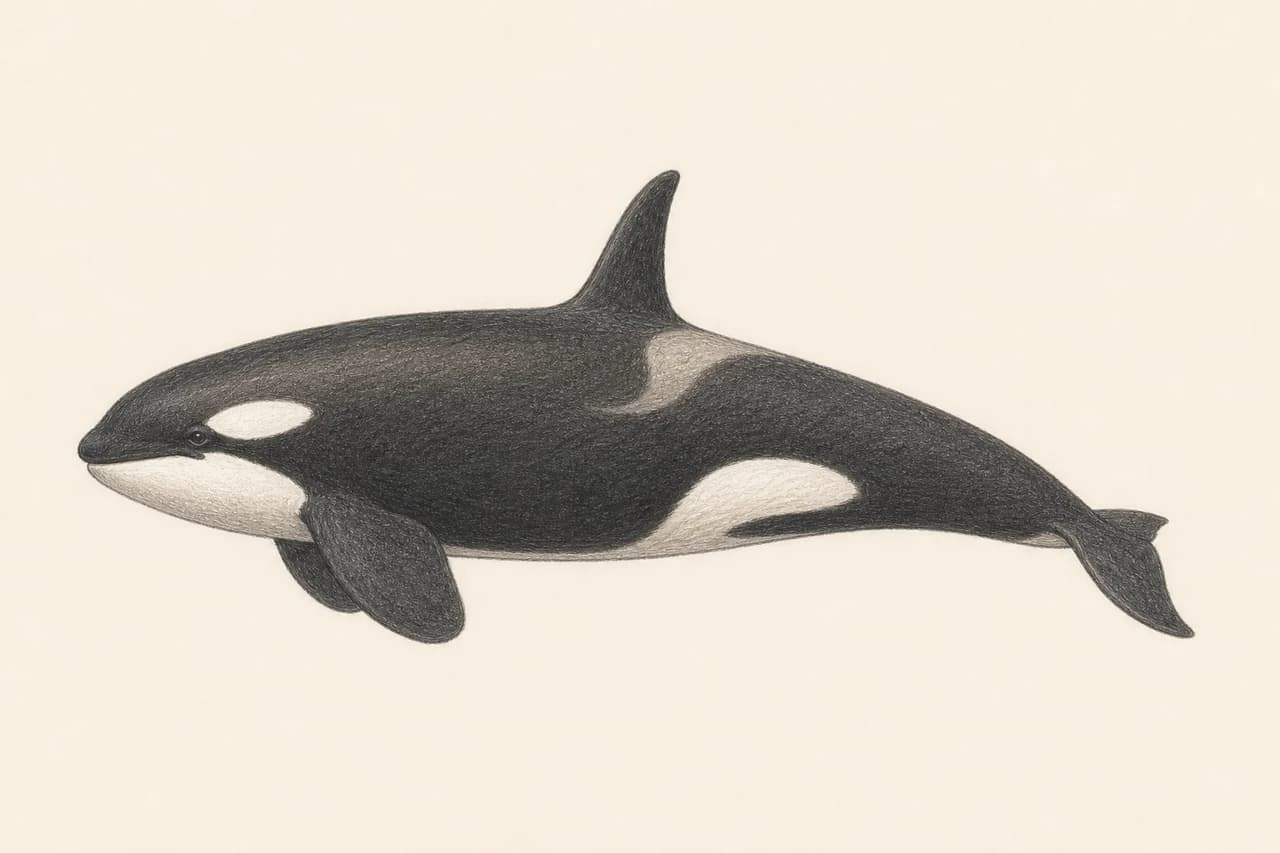 Orcas1 region · peak January–FebruaryKiller whales are occasional visitors to some dive regions, hunting rays or passing through. Sightings are a matter of luck.
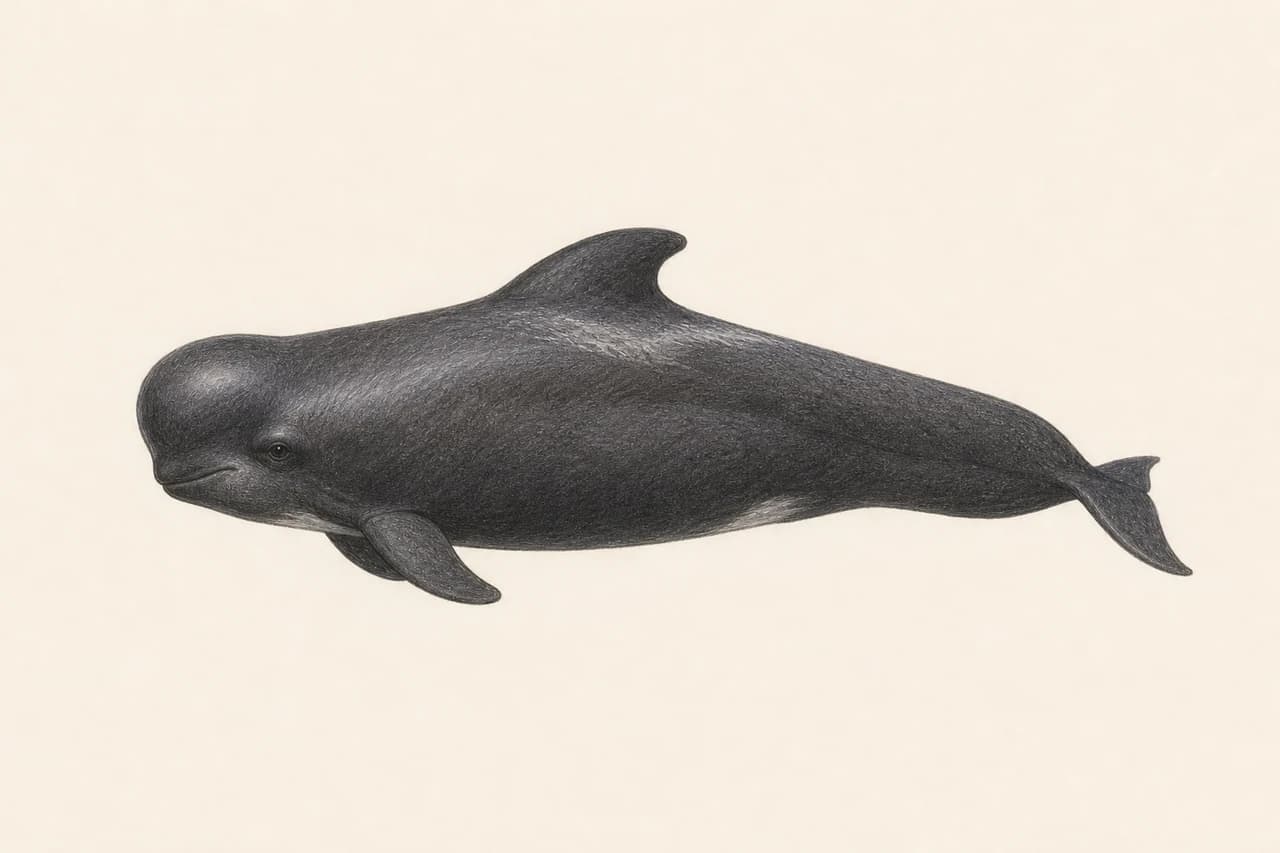 Pilot whales1 regionDark, round-headed toothed whales that travel in pods through deep channels and are sometimes seen from boats between dives.
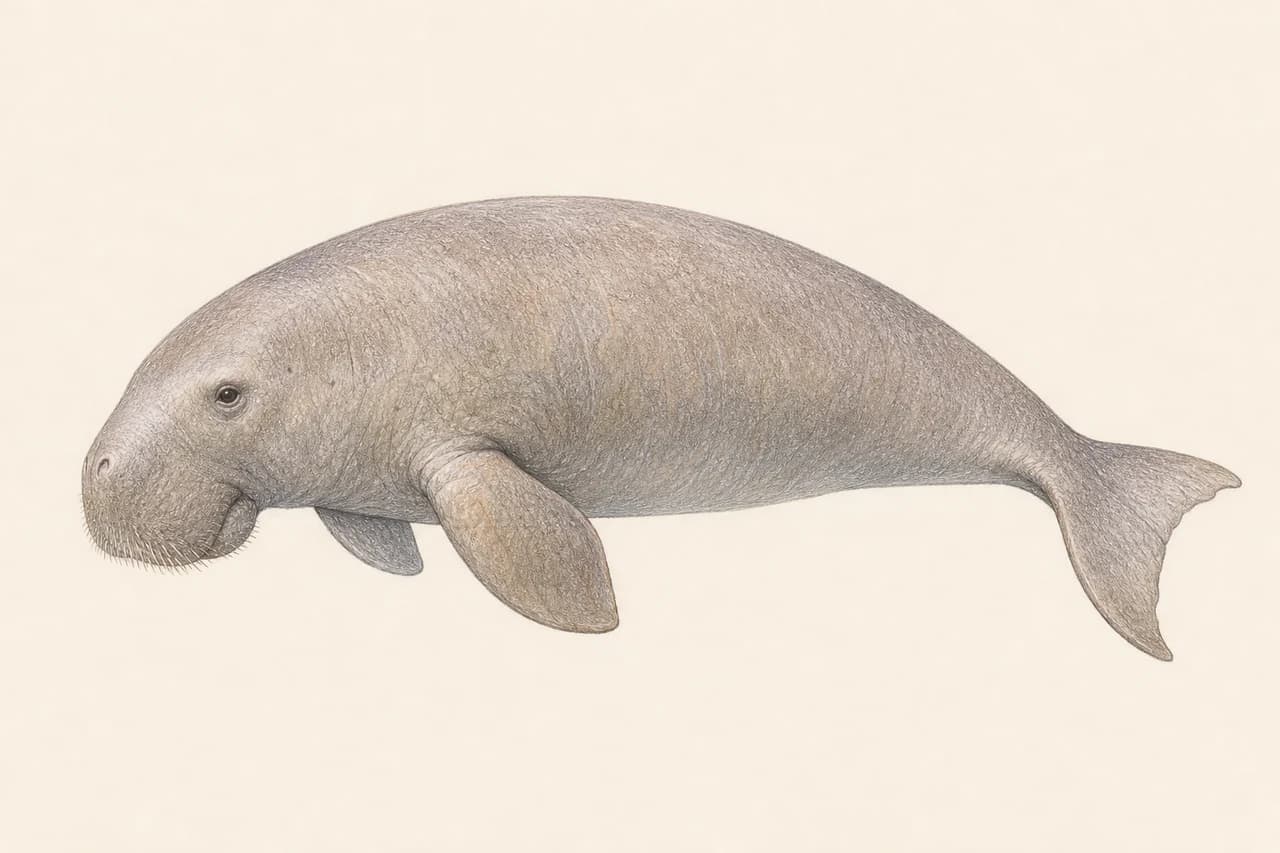 Dugongs2 regionsGentle sea cows that graze seagrass beds in warm, shallow water. They are shy and increasingly rare, so encounters are special.
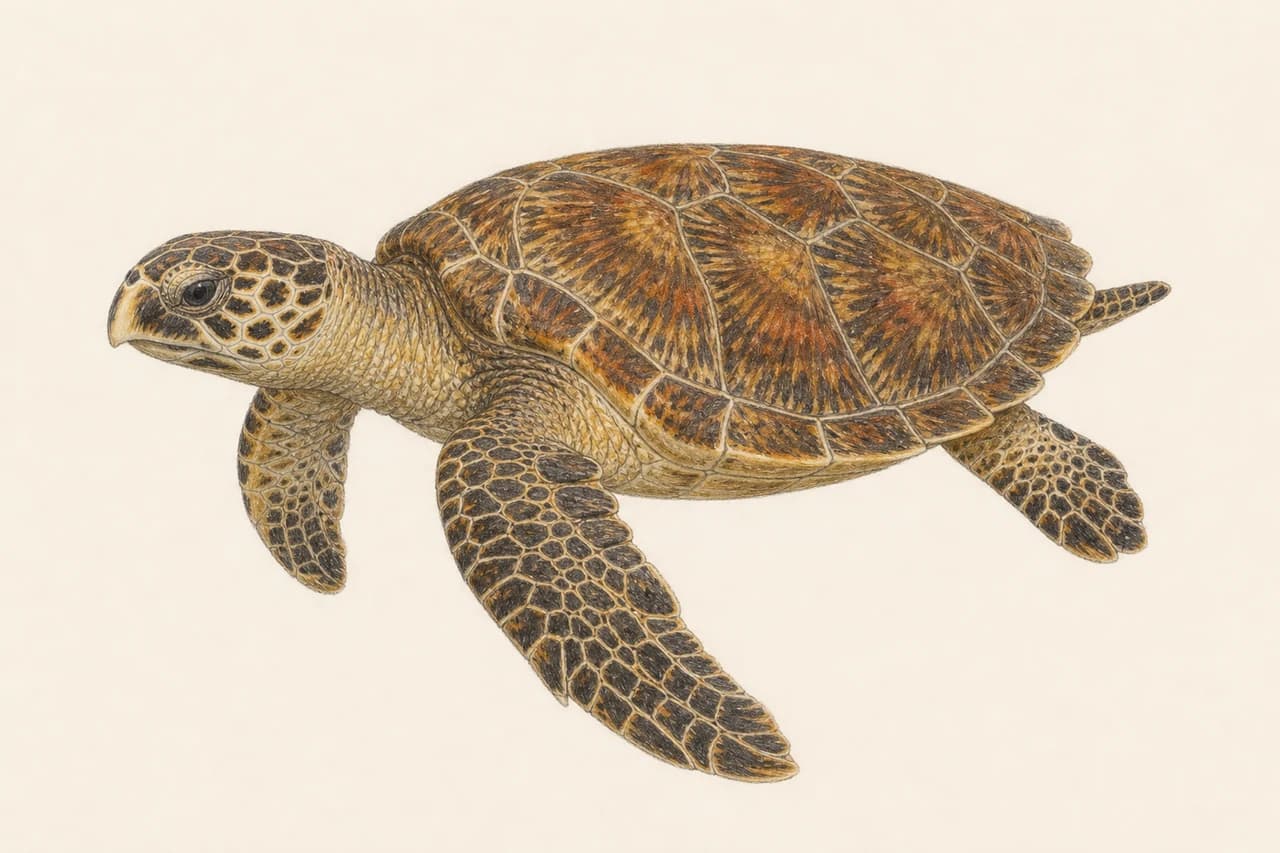 Sea turtles34 regionsGreen and hawksbill turtles live on many tropical reefs year-round, so they are one of the most reliable sightings in diving. Some regions also have nesting seasons when numbers peak.
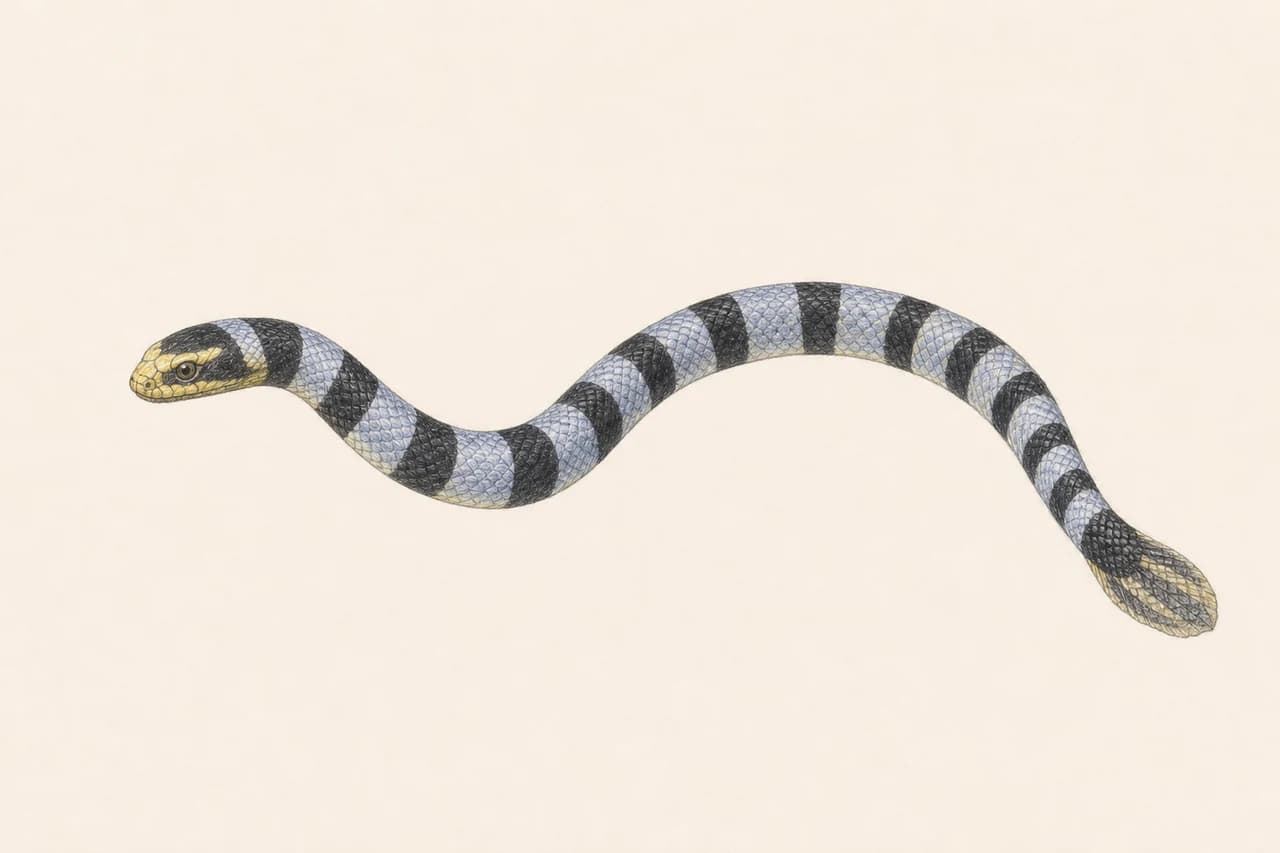 Sea snakes4 regionsBanded sea snakes hunt in reef crevices and come up to breathe. They are venomous but rarely aggressive, and common in parts of the western Pacific.
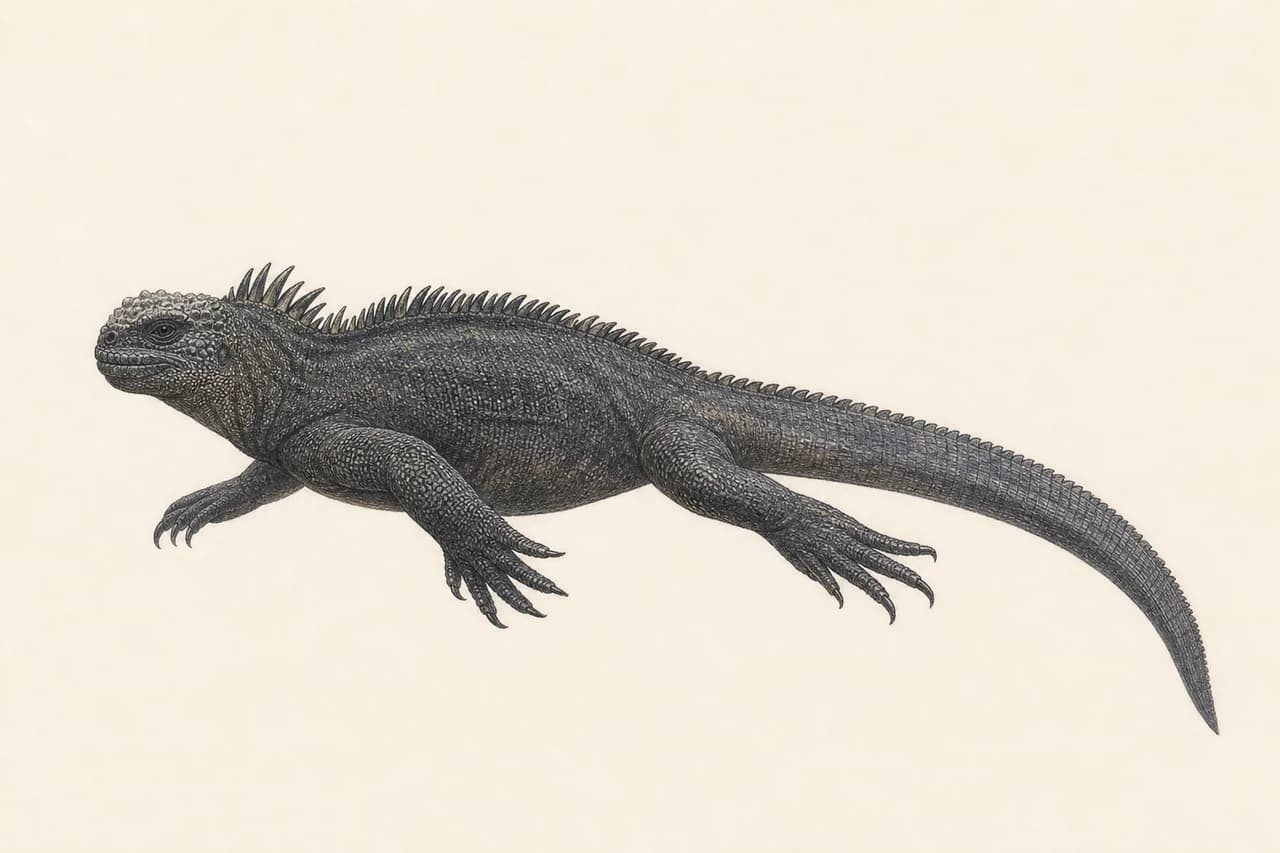 Marine iguanas1 regionThe world's only sea-going lizard, found only in the Galápagos, where it dives to graze algae in cold water.
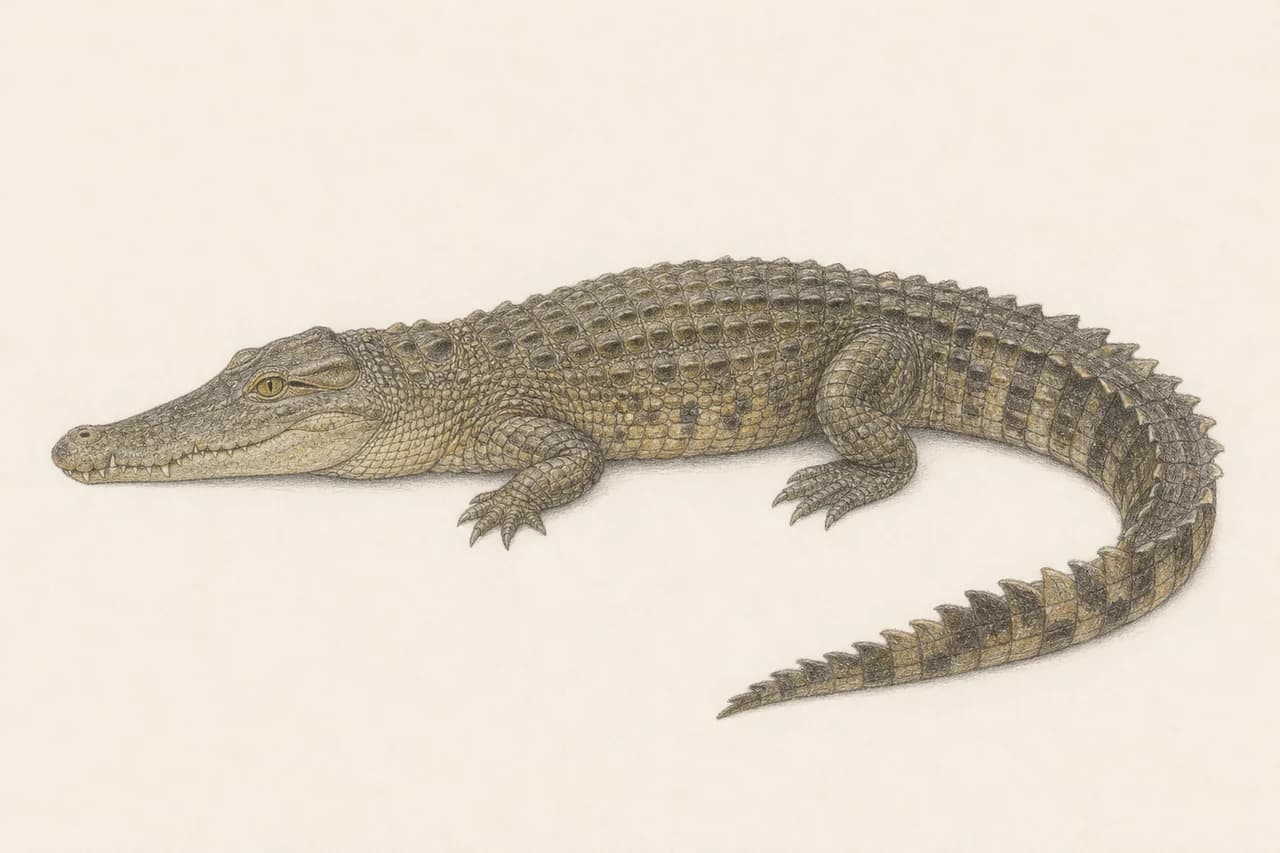 American crocodiles1 regionSaltwater-tolerant crocodiles of Caribbean mangroves, met by snorkellers in Cuba's Jardines de la Reina under expert guidance.
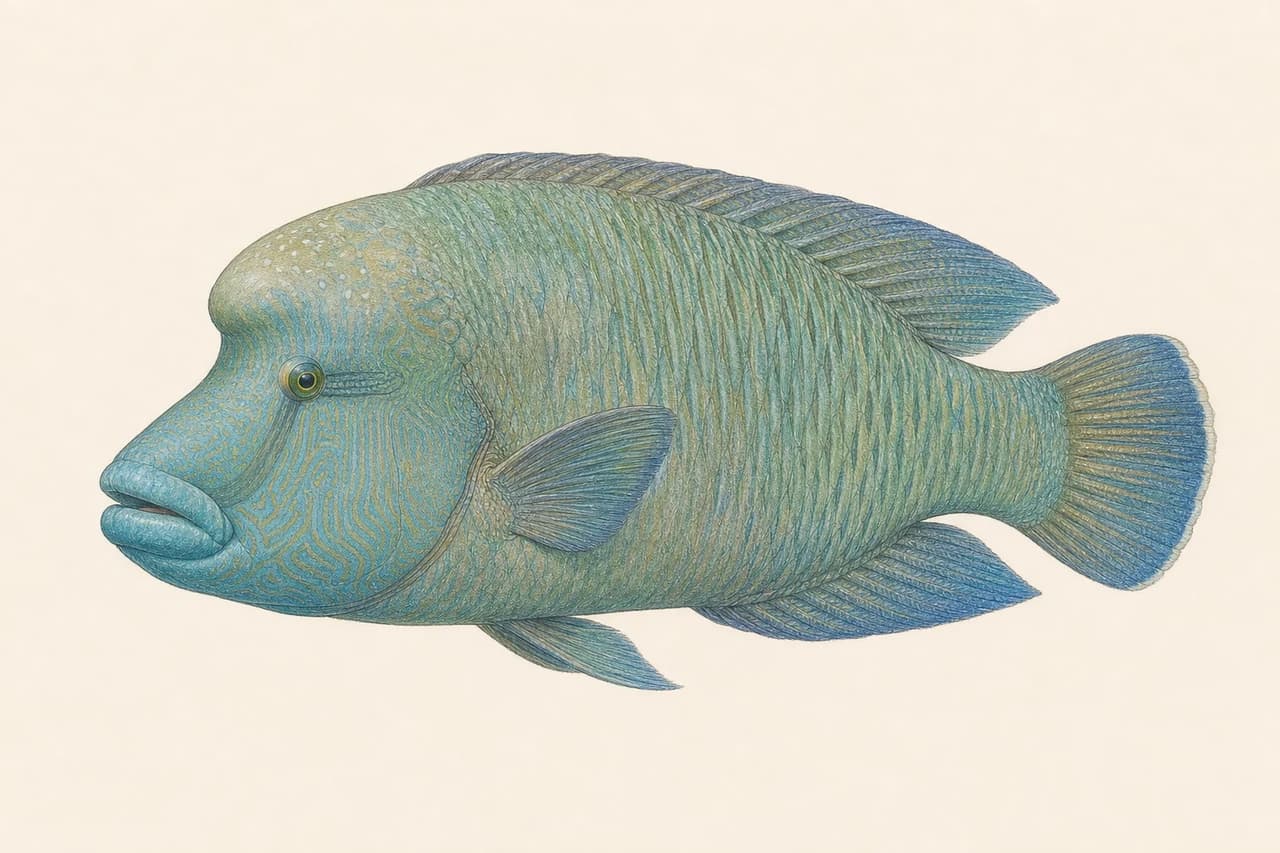 Napoleon (humphead) wrasse6 regionsHuge, blue-green wrasse with a bulging forehead that often follow divers on protected reefs. Overfishing has made them rare outside marine parks.
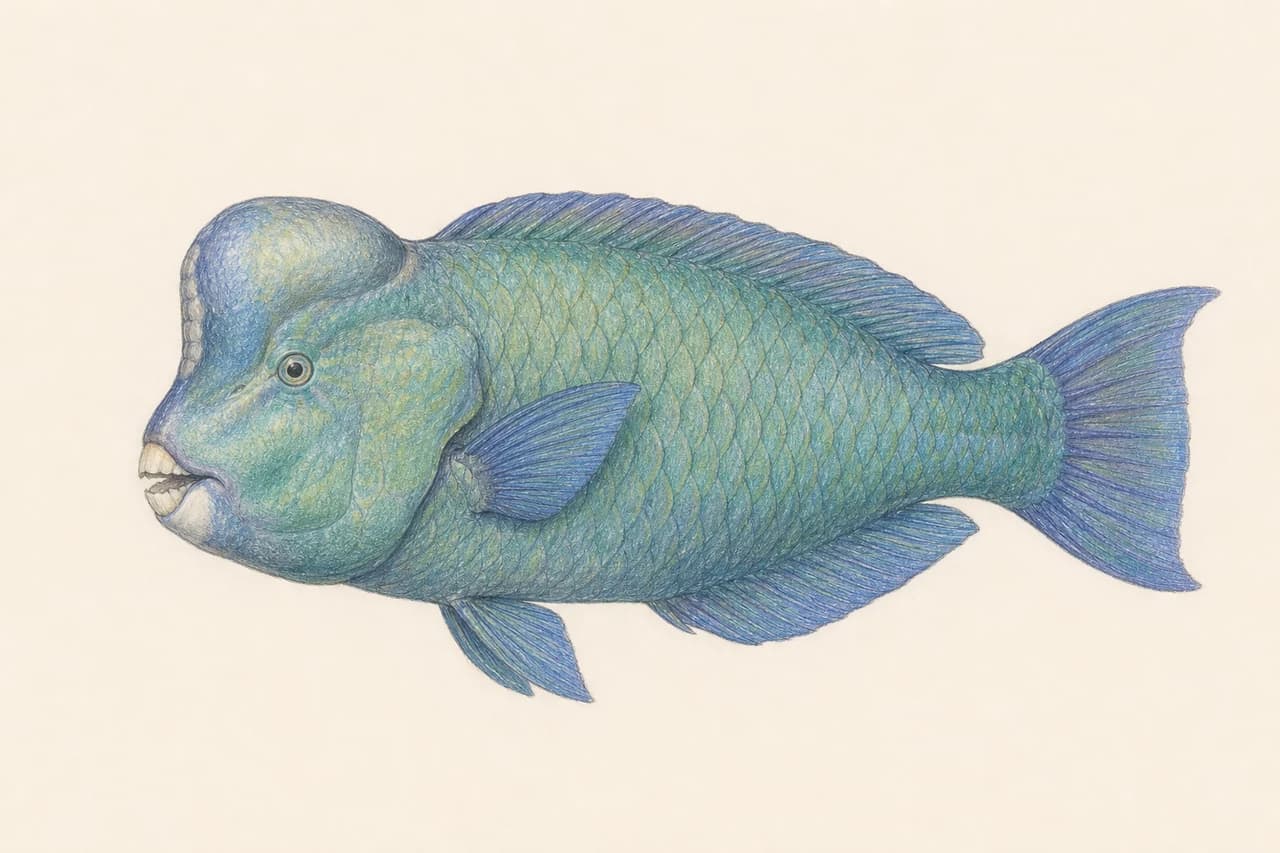 Bumphead parrotfish3 regionsThe largest parrotfish travel in noisy schools across the reef top at dawn, crunching coral. Sipadan and Palau have some of the biggest herds.
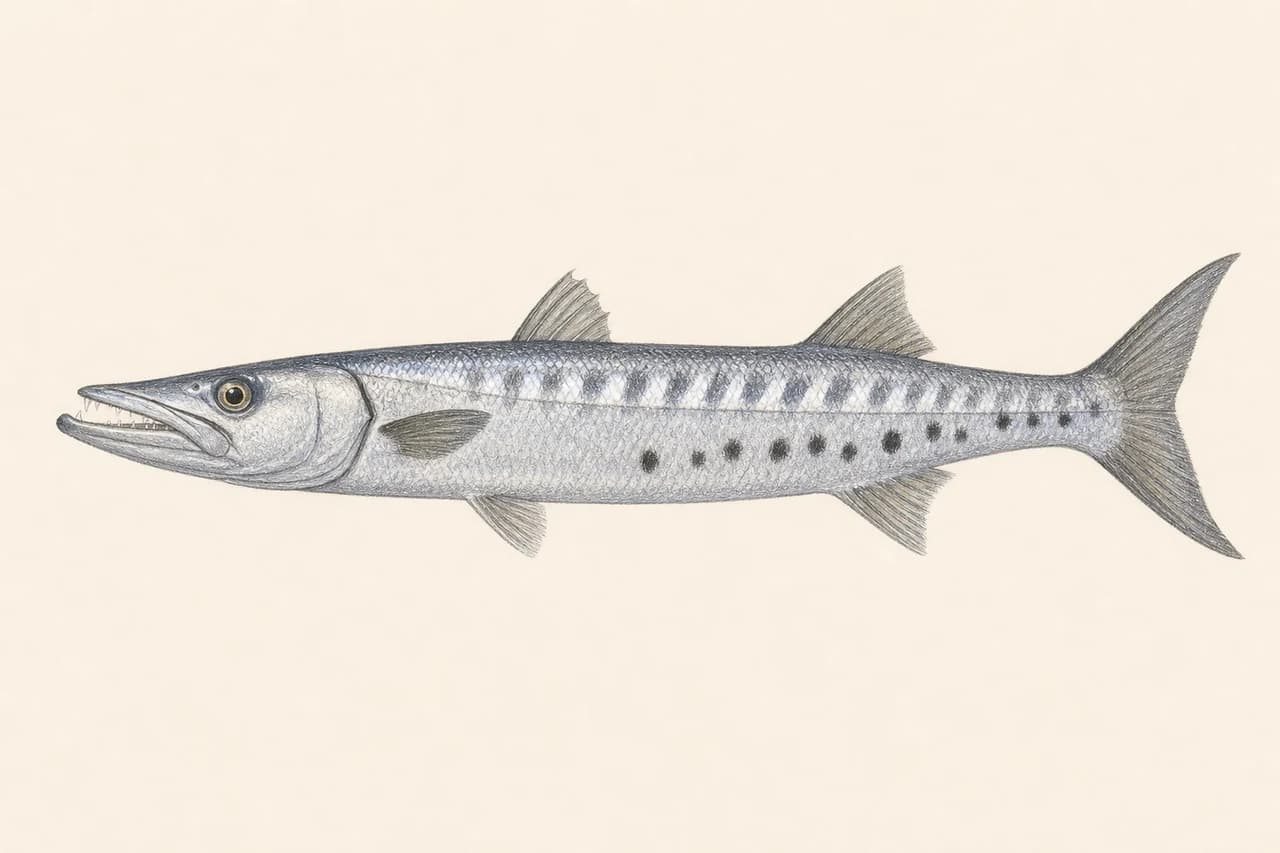 Barracuda9 regions · peak June–AugustSilver predators that form slowly circling schools, sometimes in the hundreds, in channels and off points with current.
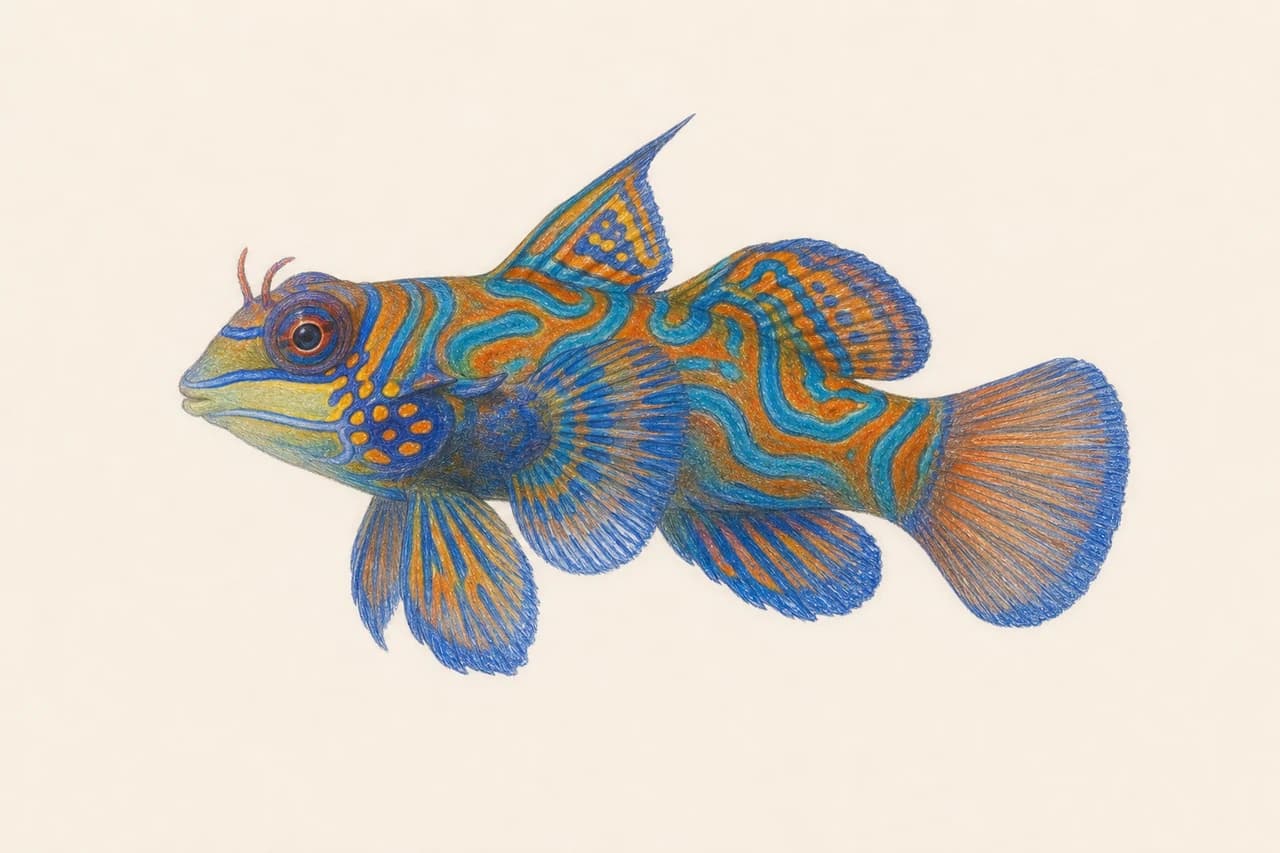 Mandarinfish9 regionsTiny, psychedelically patterned dragonets that emerge from coral rubble at dusk to mate, giving a reliable sunset show at known sites.
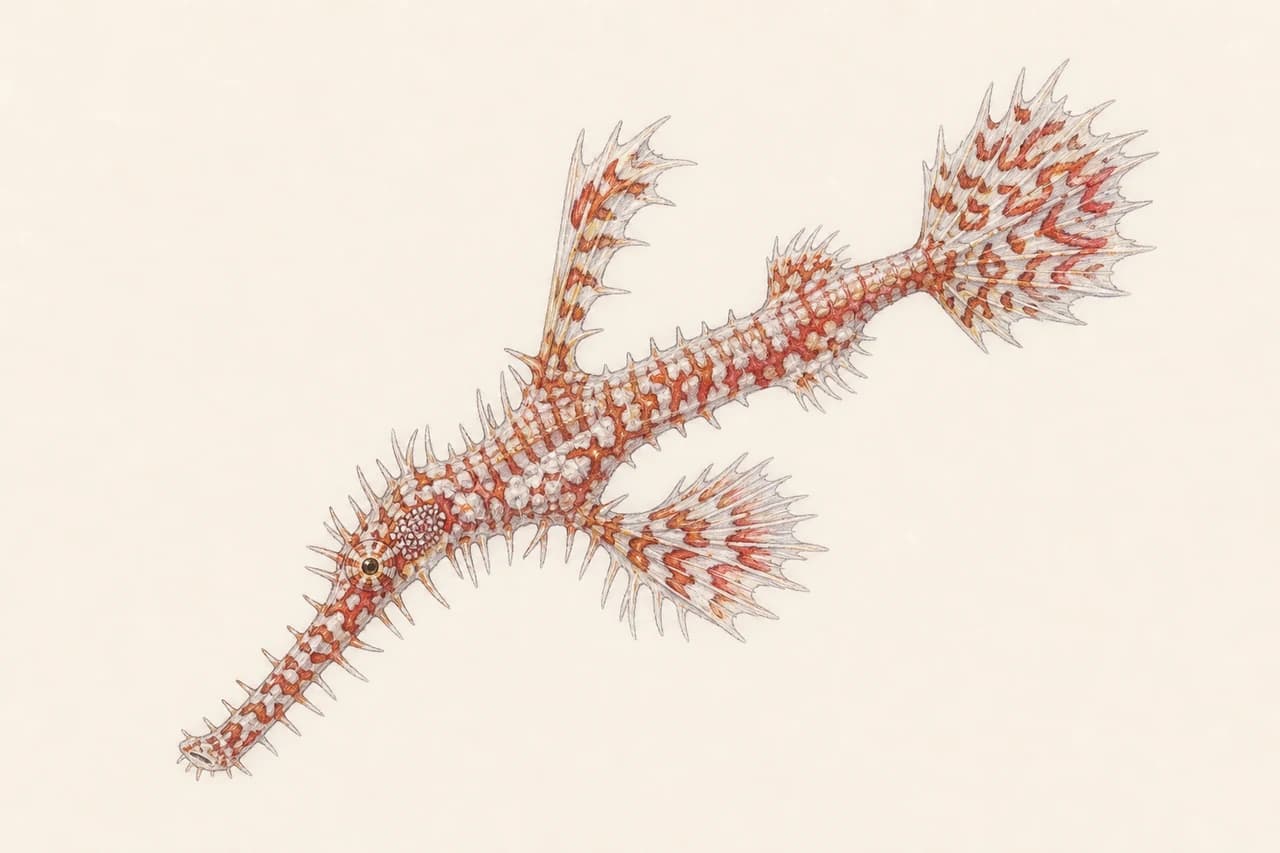 Ghost pipefish7 regionsSeahorse relatives that drift head-down beside crinoids, sea fans and seagrass, blending in perfectly. A muck and macro favourite.
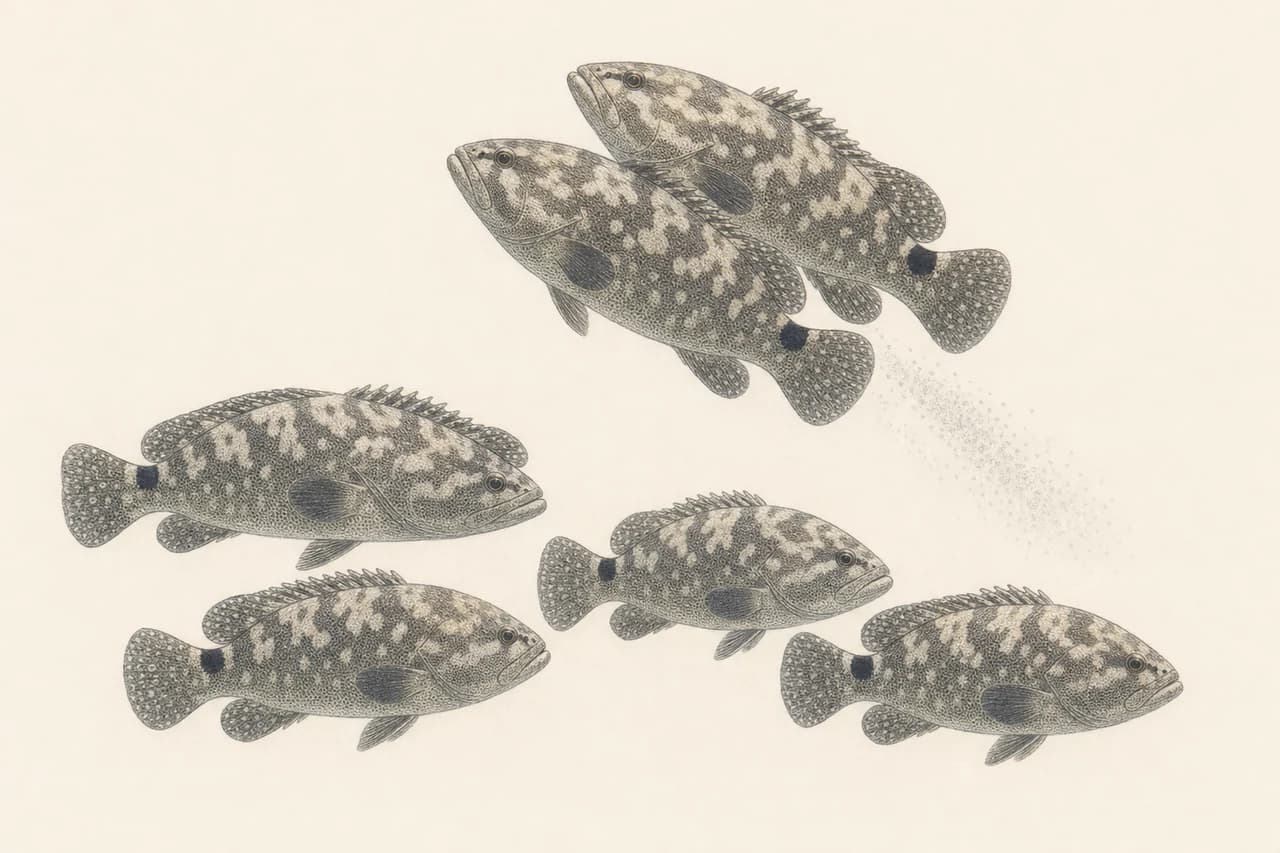
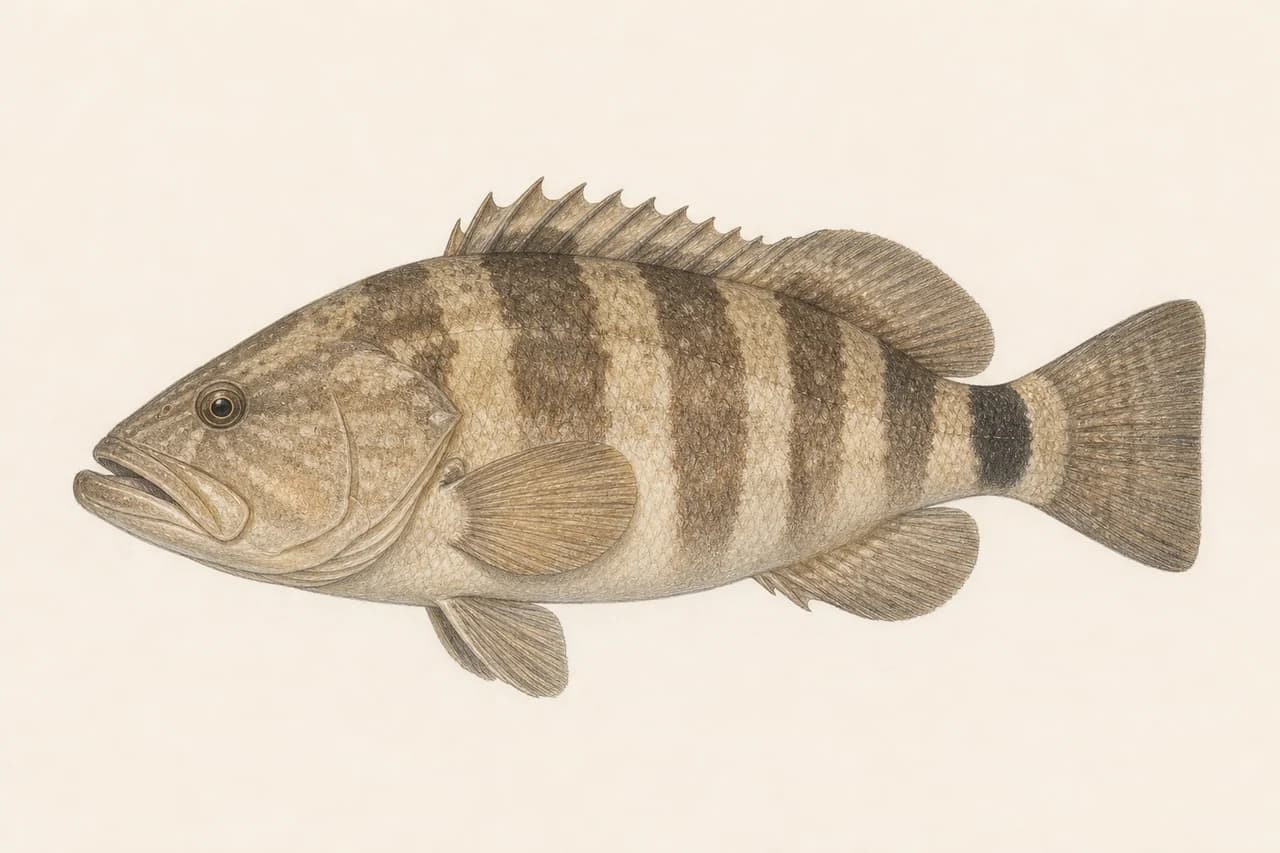 Groupers and giant sea bass8 regionsGoliath and Nassau groupers, Great Barrier Reef potato cod and California’s giant sea bass offer different encounters. Choose your target animal first, then use the site recommendations and individual calendars to plan the trip.
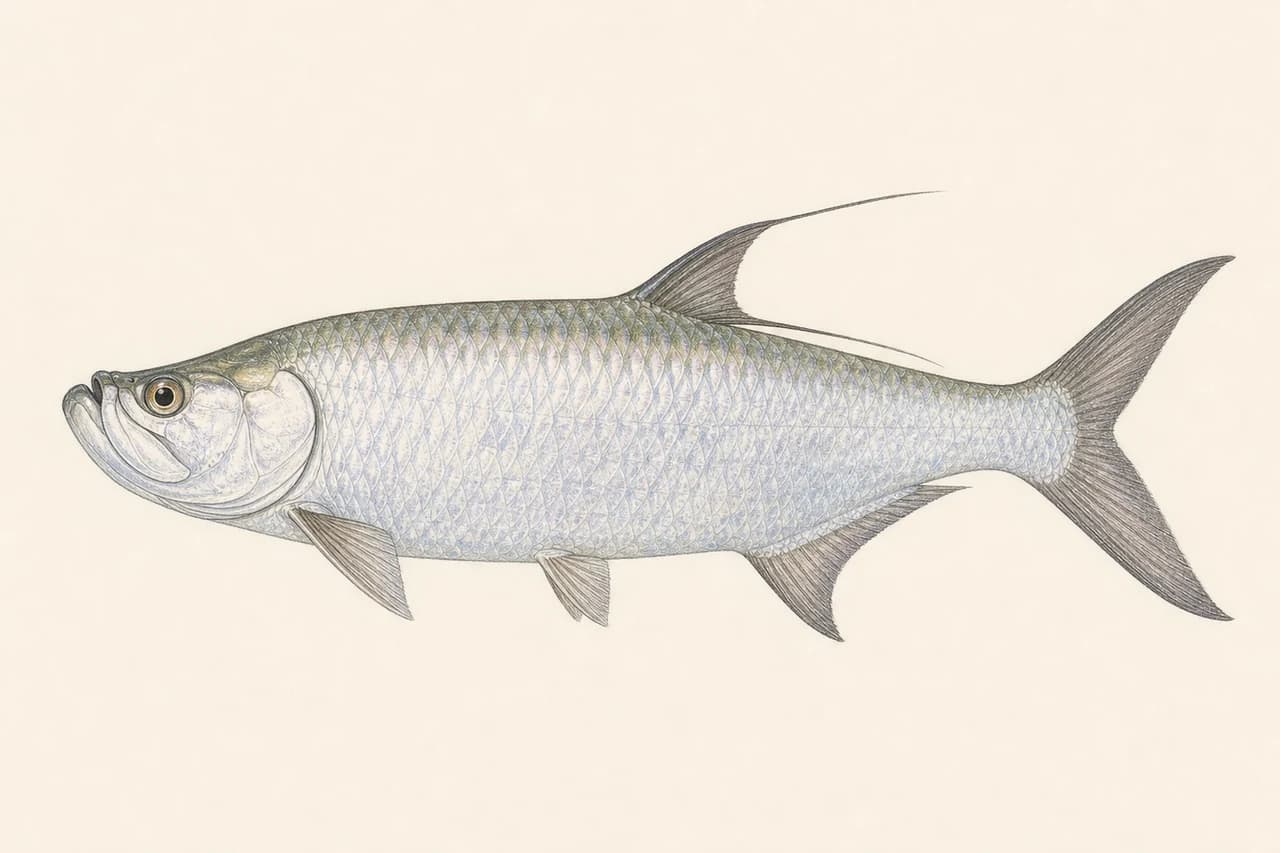 Tarpon3 regionsLarge, silver, prehistoric-looking fish that gather in schools under docks, in caverns and around wrecks in the Caribbean.
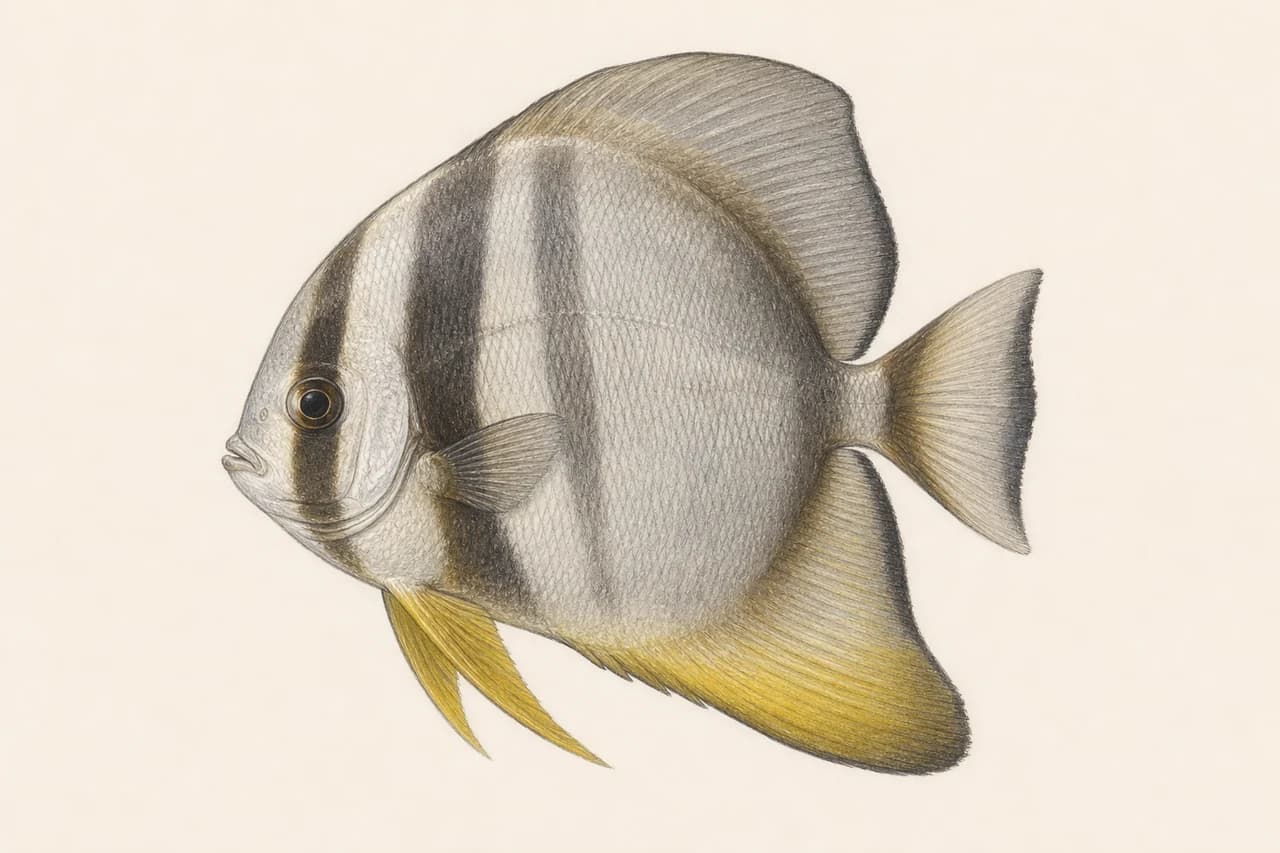 Batfish4 regionsTall, disc-shaped fish that hang in schools around wrecks and pinnacles and often follow divers.
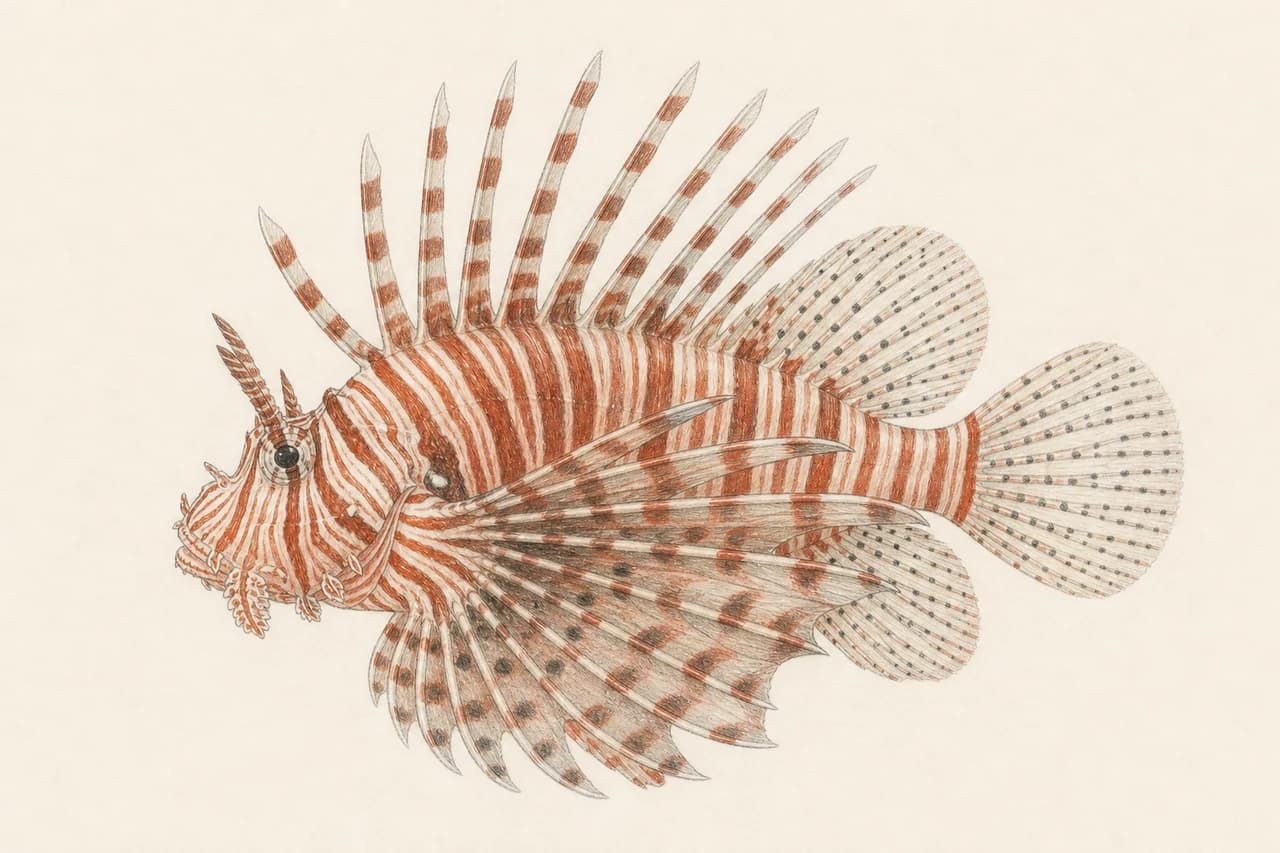 Lionfish7 regionsVenomous, frilly-finned predators that hover by reef overhangs and wrecks. Native to the Indo-Pacific and invasive in the Caribbean.
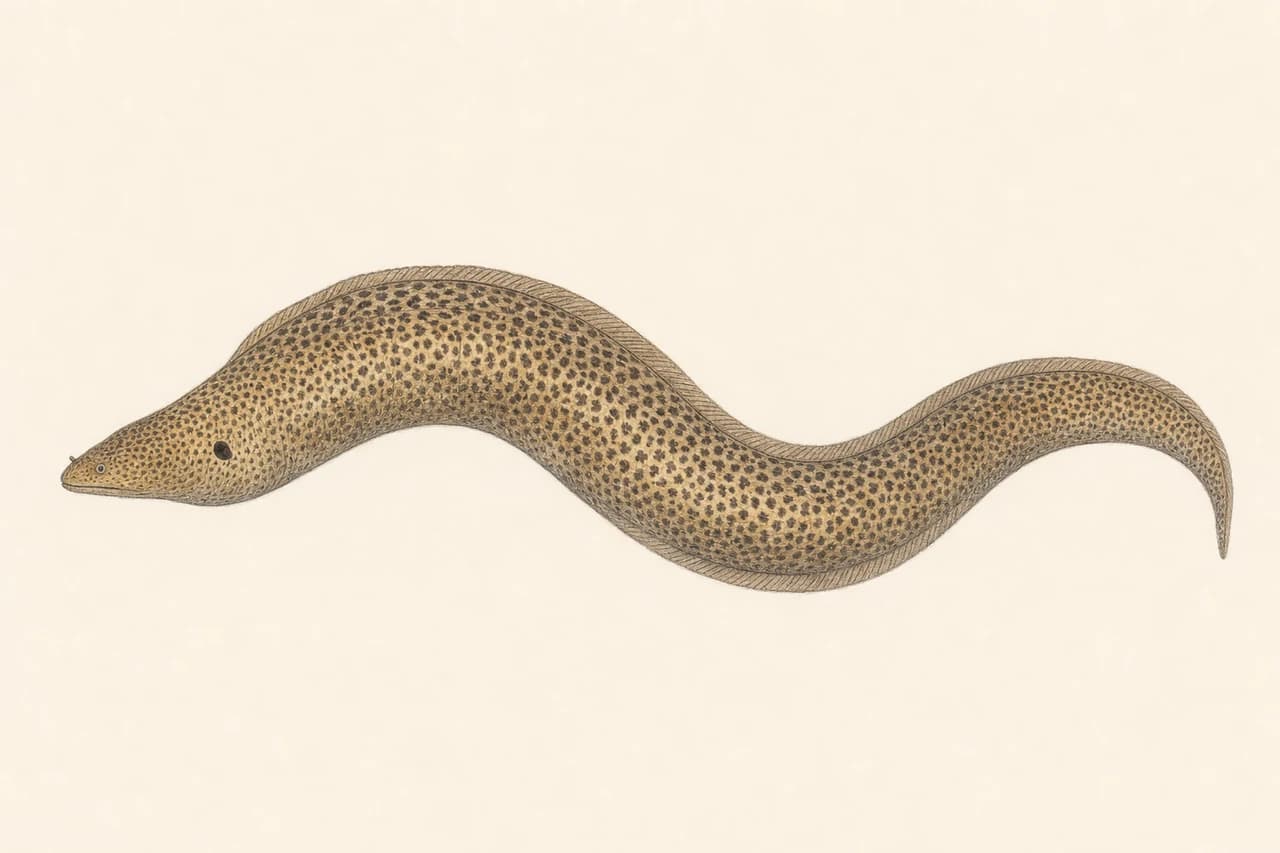 Eels16 regionsEel diving offers very different encounters: morays in reef crevices, ribbon and snake eels on muck slopes, and garden-eel colonies above sandy burrows. Choose a region for the kinds of eels you want to watch, then ask a local guide for the right sites. These are resident animals; weather, current, time of day and patient observation usually matter more than a particular month.
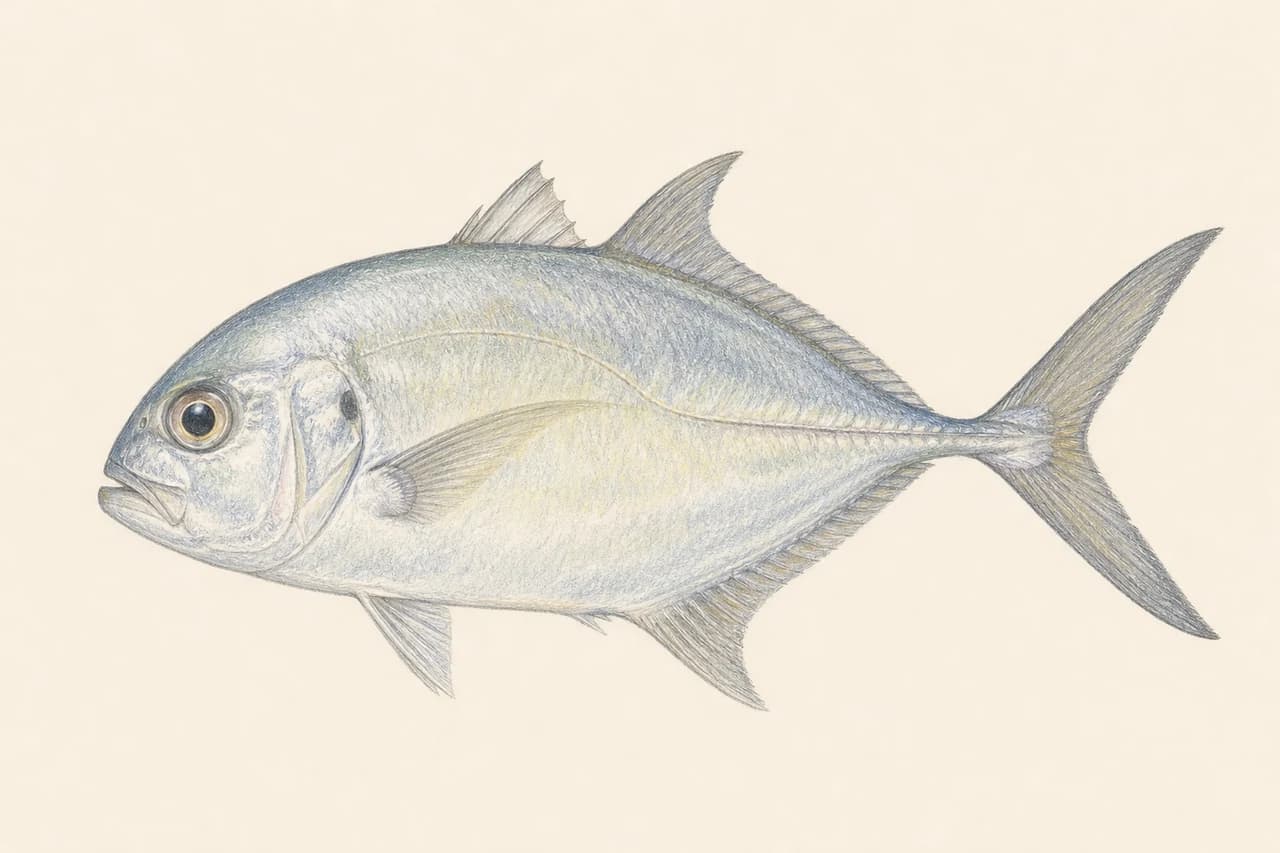 Jacks and kingfish5 regionsFast schooling predators that circle divers in great walls of silver, from bigeye trevally in the Sea of Cortez to yellowtail kingfish in South Australia.
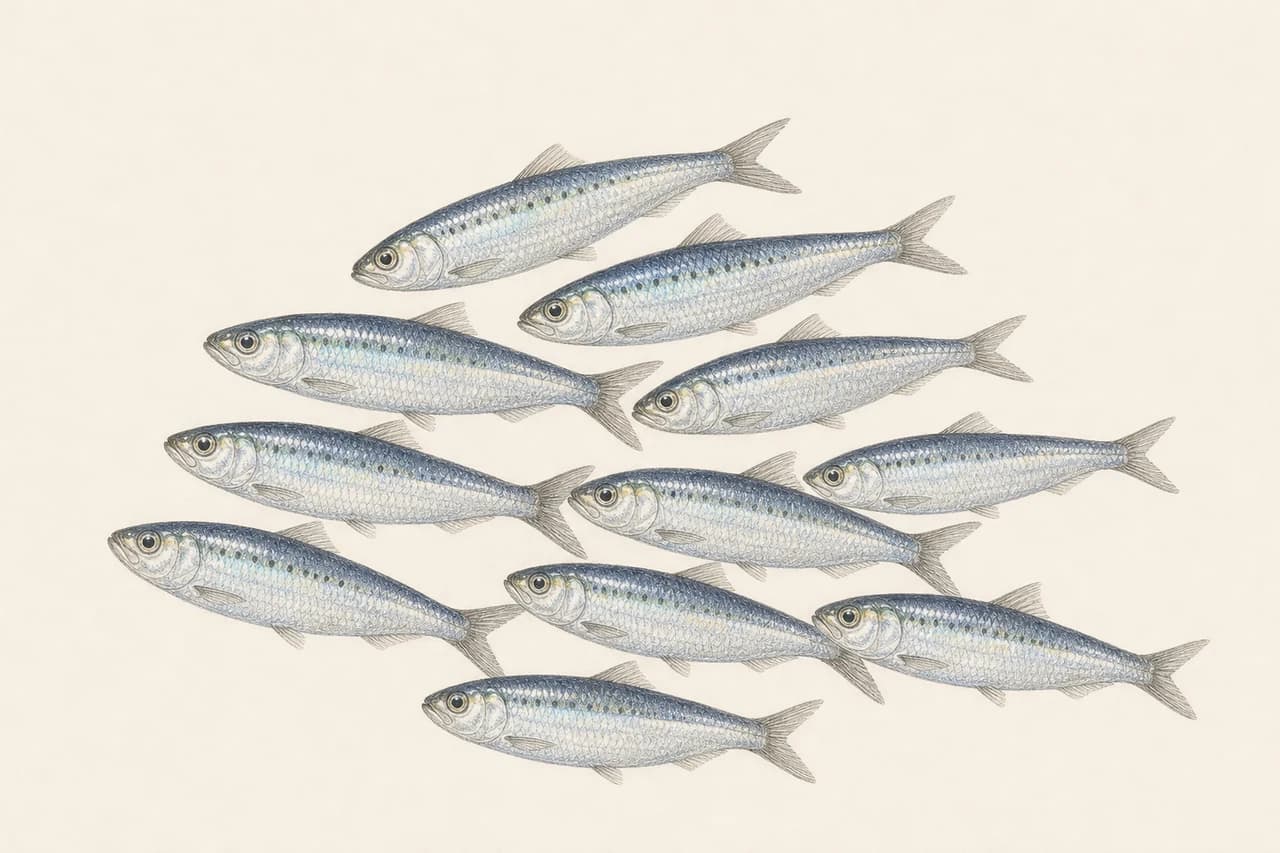 Sardines (the sardine run)2 regions · peak June–JulyBillions of sardines move in huge shoals, drawing dolphins, sharks and gannets. Moalboal has a resident shoal year-round and South Africa's sardine run passes each winter.
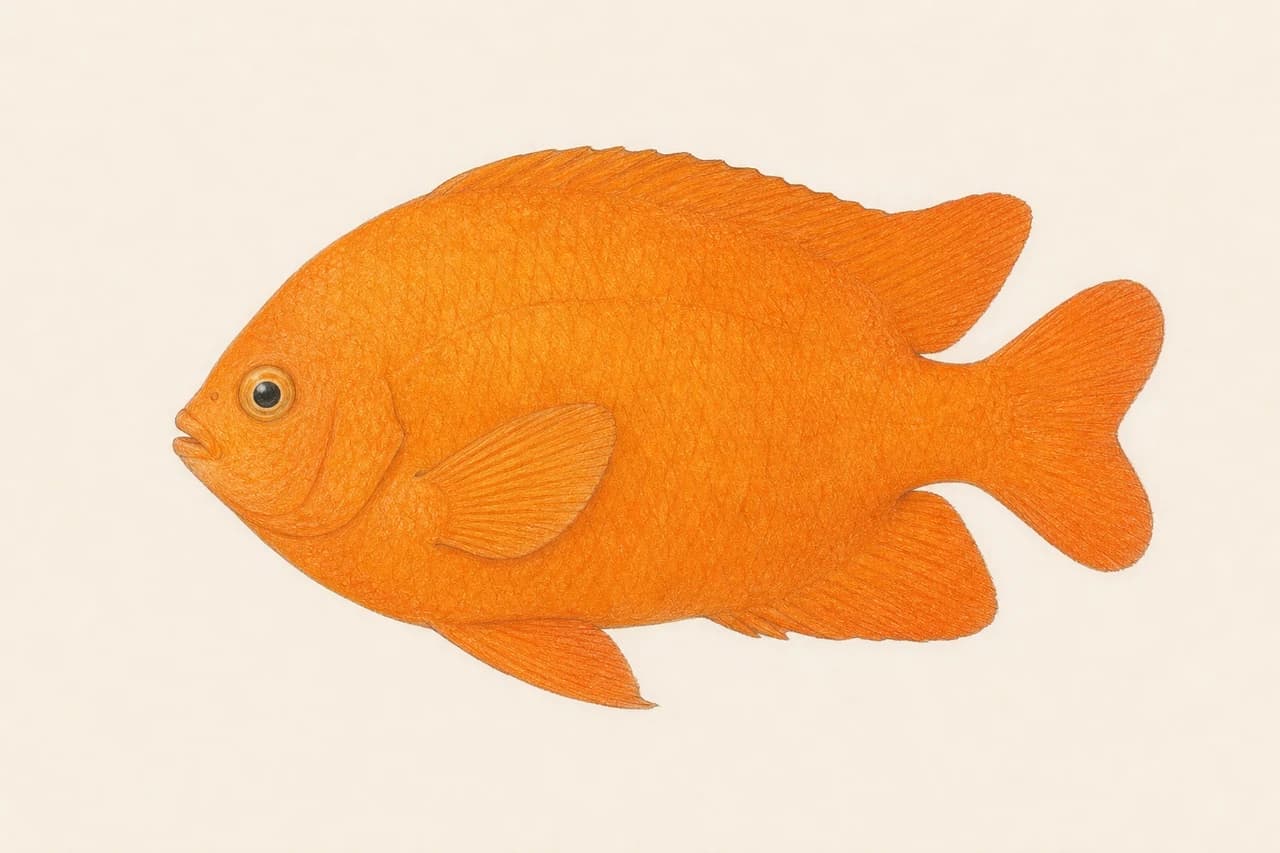 Garibaldi1 regionCalifornia's bright orange state marine fish, territorial damselfish that guard their patch of kelp forest year-round.
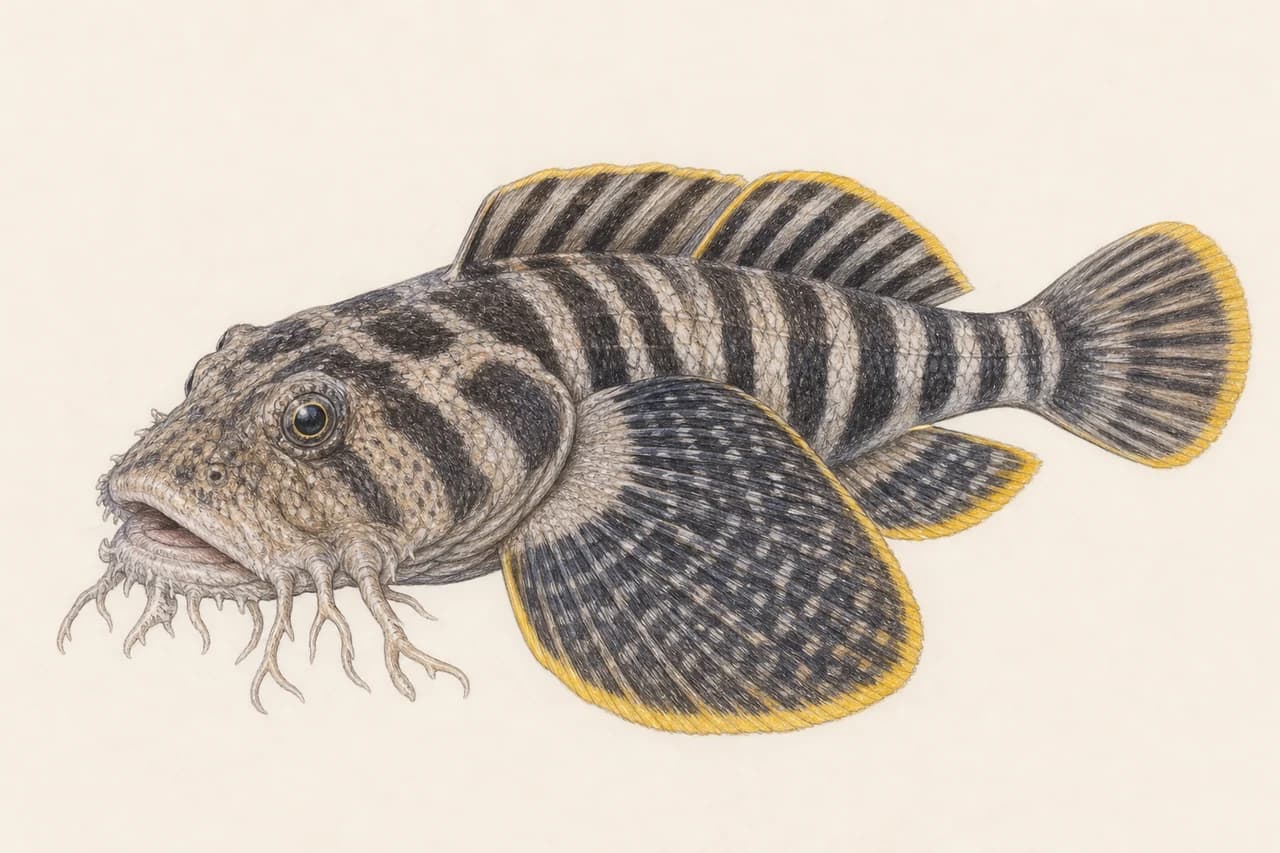 Splendid toadfish1 regionA colourful toadfish found only around Cozumel, usually glimpsed peering out from under a ledge.
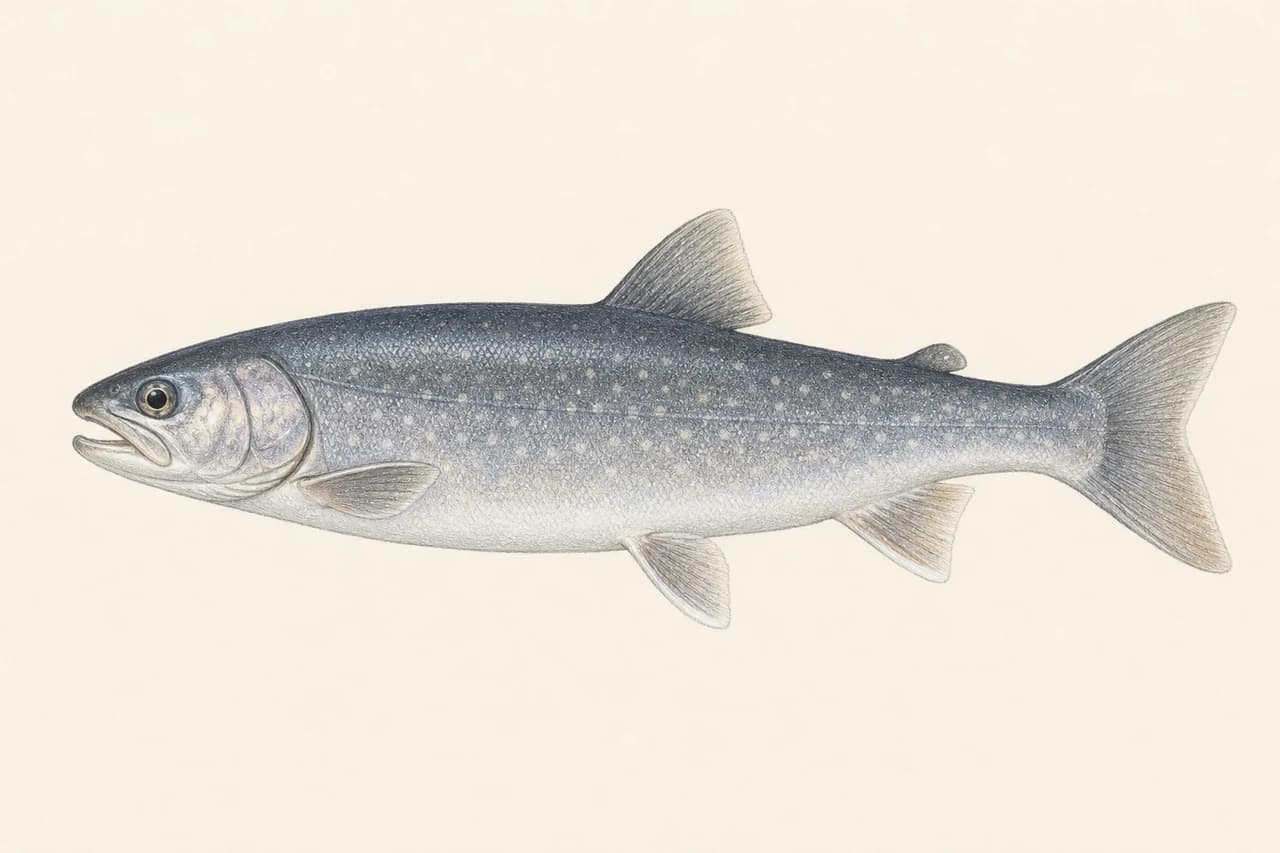 Arctic char1 regionCold-water fish of Icelandic lakes, occasionally seen by divers and snorkellers in the clear glacial water of Silfra and Lake Thingvallavatn.
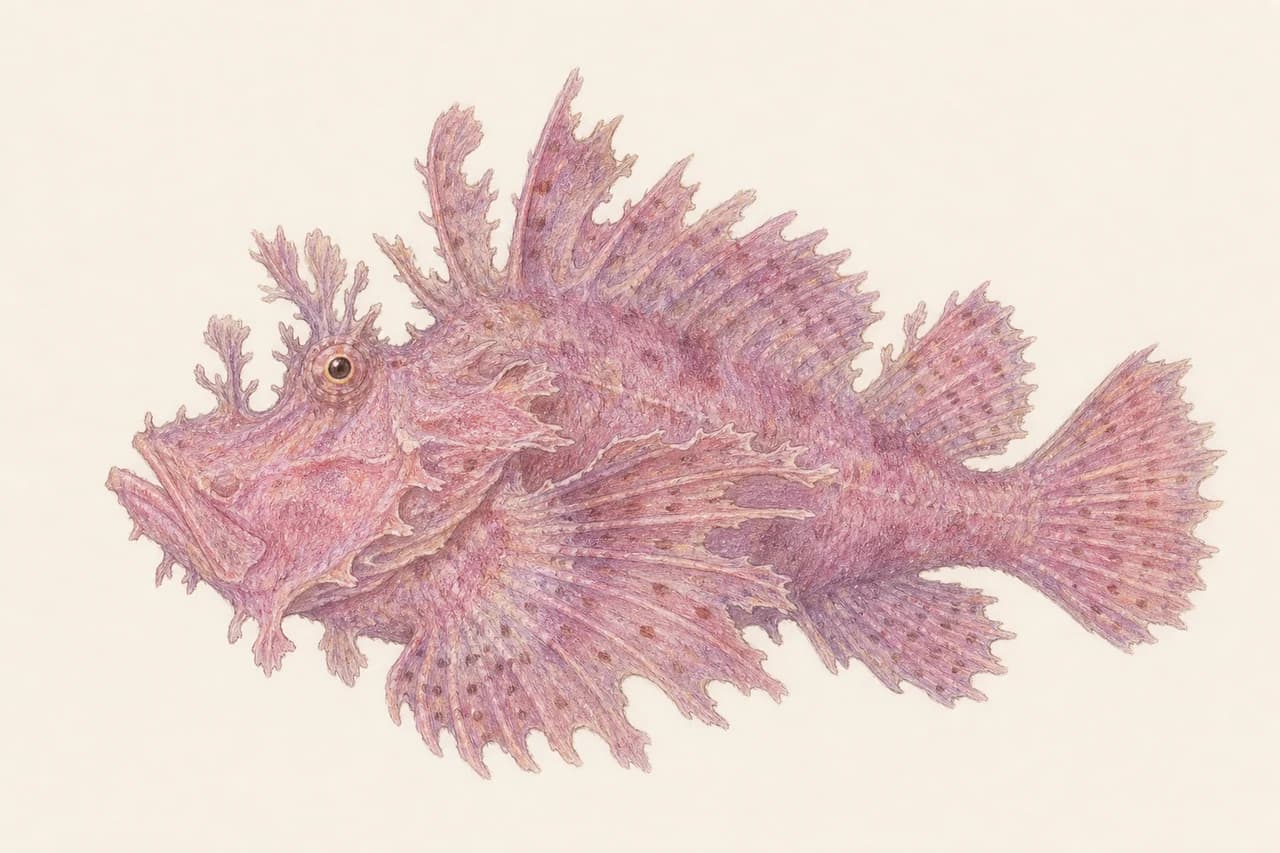 Rhinopias (weedy scorpionfish)2 regionsRare, ornate scorpionfish that look like drifting weed, high on the wish list of muck divers in Lembeh and Alor.
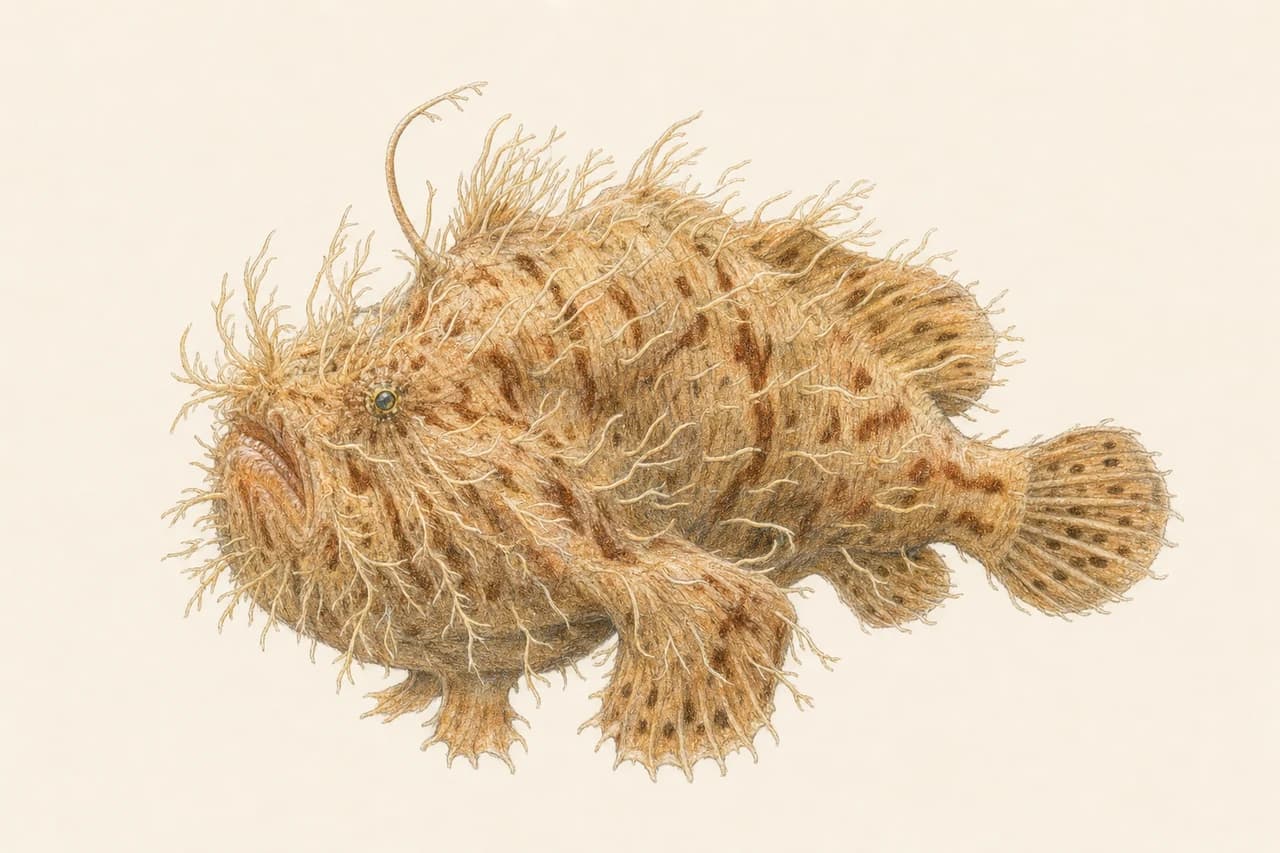 Frogfish14 regionsMasters of camouflage that sit motionless on sponges and rubble waiting for prey. Muck-diving regions with experienced spotters give the best odds.
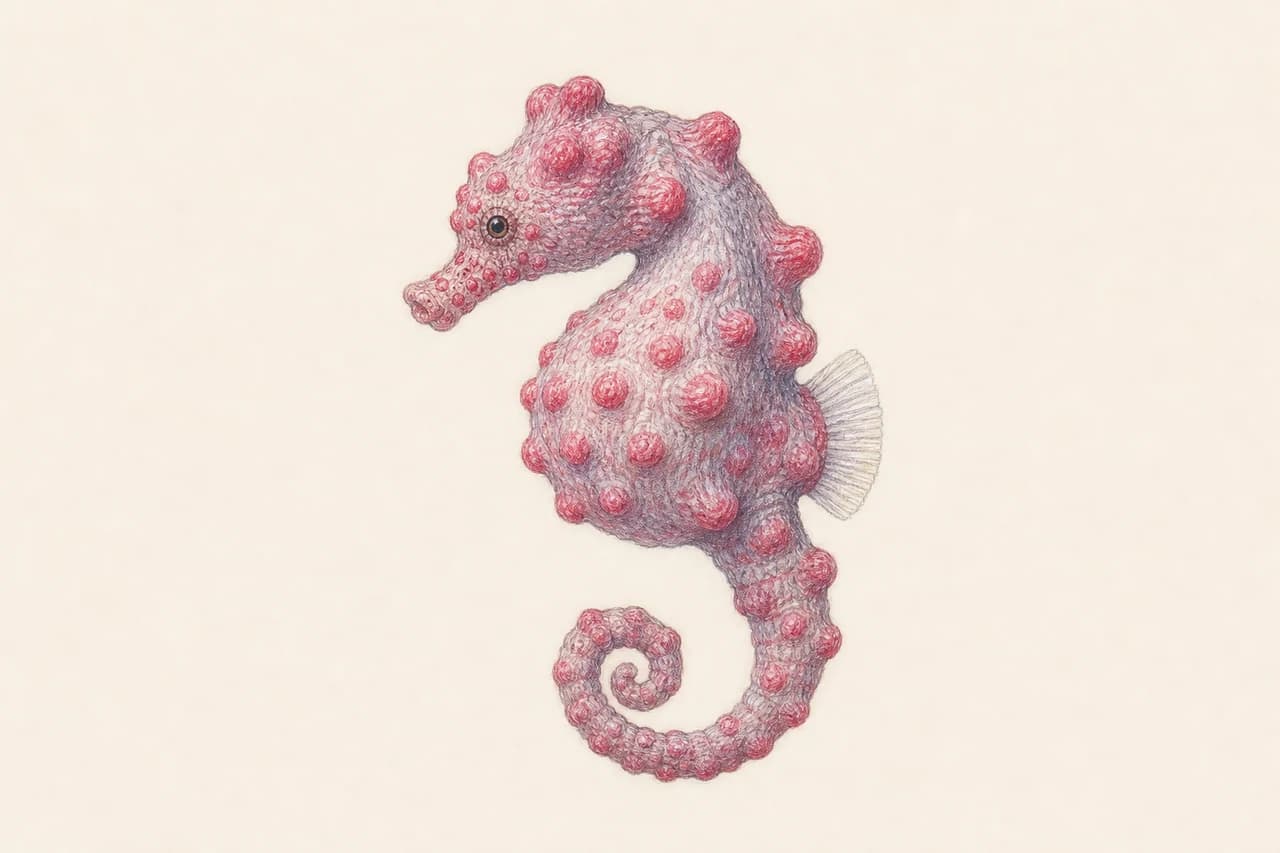 Seahorses and pygmy seahorses14 regionsPygmy seahorses live on sea fans and are barely bigger than a grain of rice; larger seahorses hide in seagrass and on muck slopes. Both are macro favourites that a good guide can find year-round.
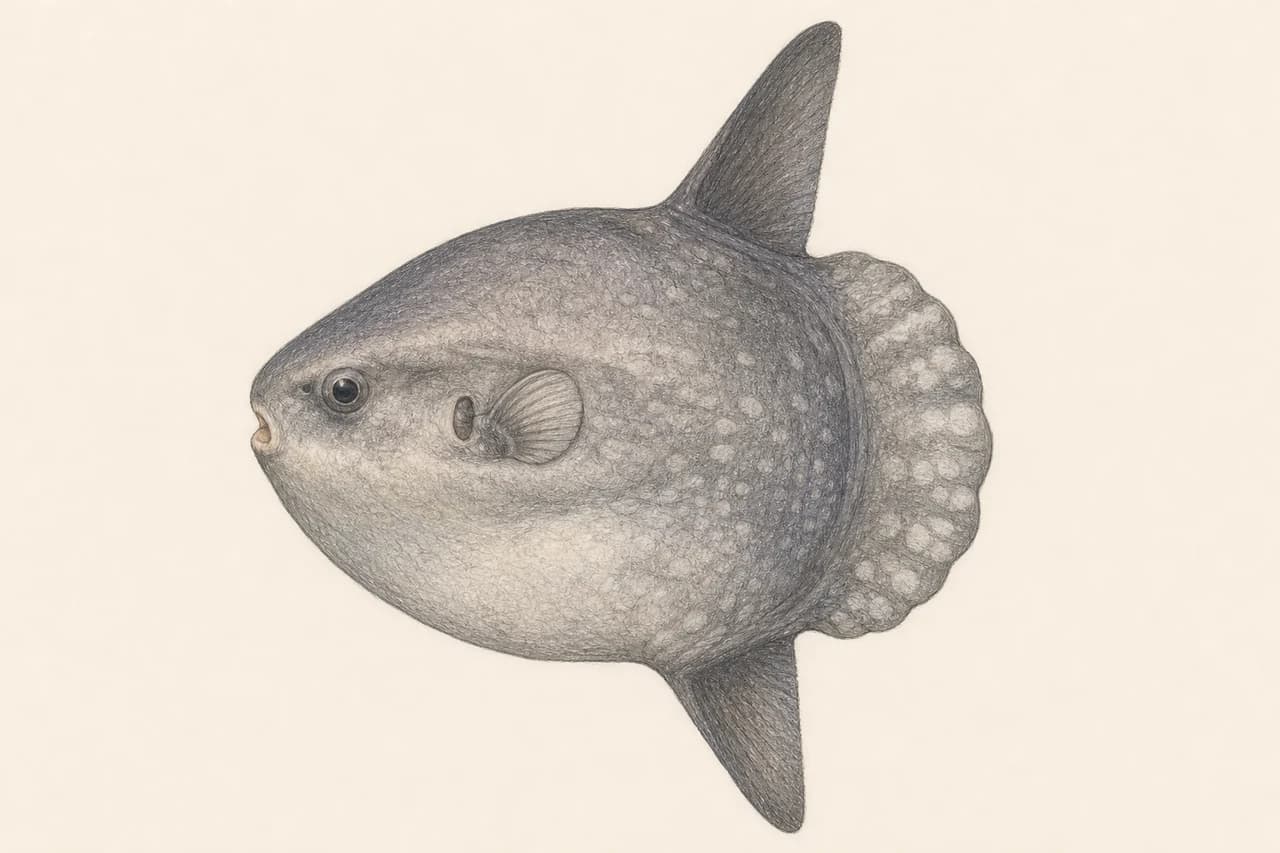 Mola mola (ocean sunfish)3 regions · peak SeptemberThe heaviest bony fish rises from deep, cold water to cleaning stations on reefs, usually during short seasons when cold upwellings reach the surface.
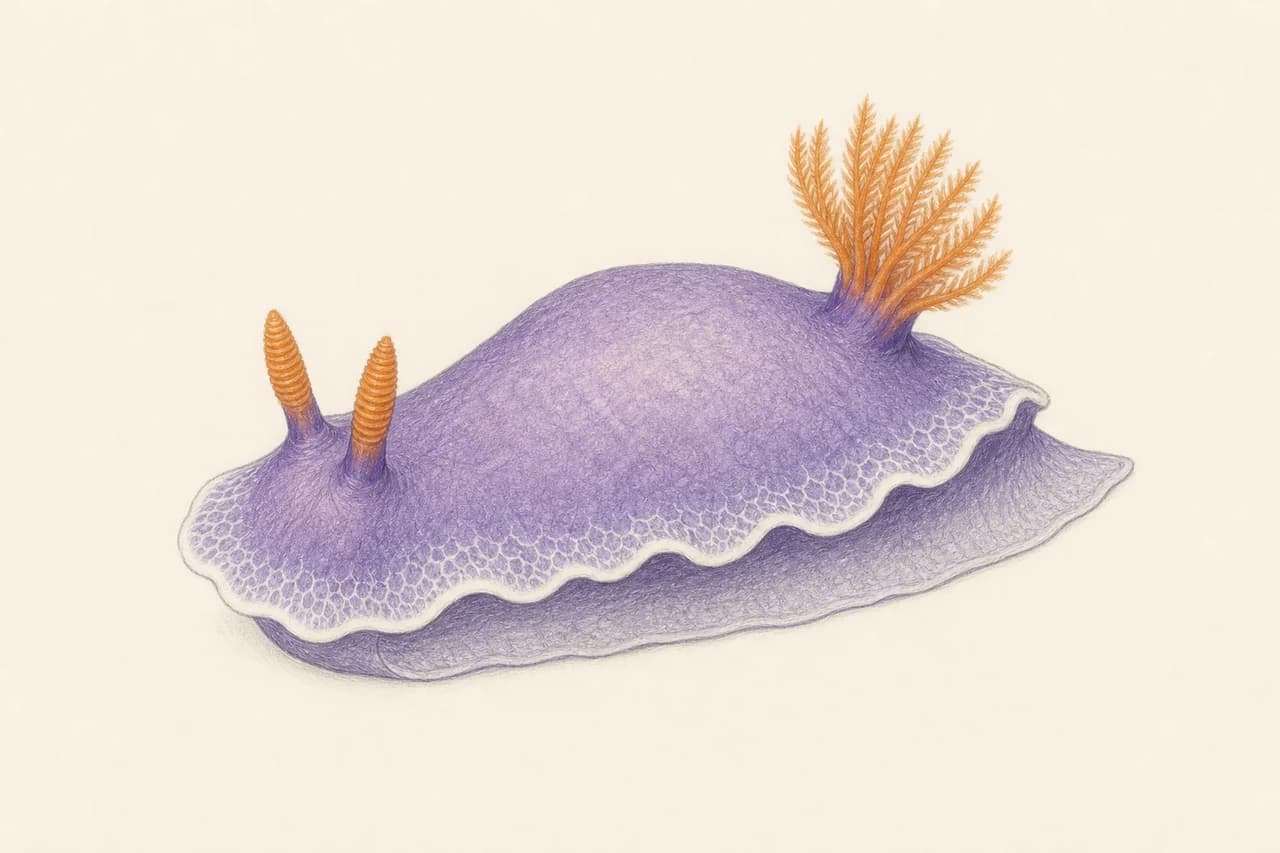 Nudibranchs13 regions · peak January–MarchColourful sea slugs found on almost every reef, with the greatest variety in the Coral Triangle's macro and muck sites.
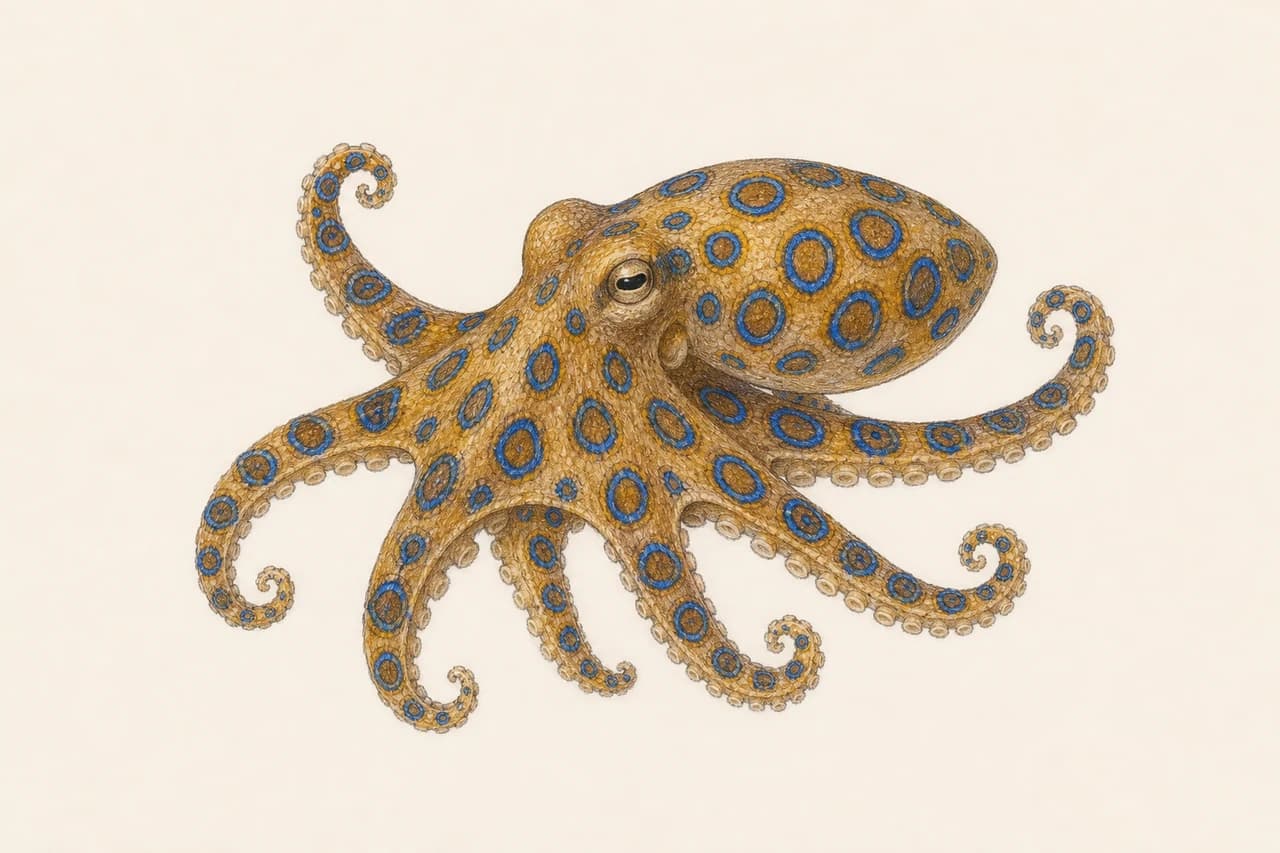 Octopus and cuttlefish7 regionsClever, colour-changing cephalopods: mimic octopuses that impersonate other animals, tiny blue-ringed octopuses and the strutting flamboyant cuttlefish are muck-diving stars.
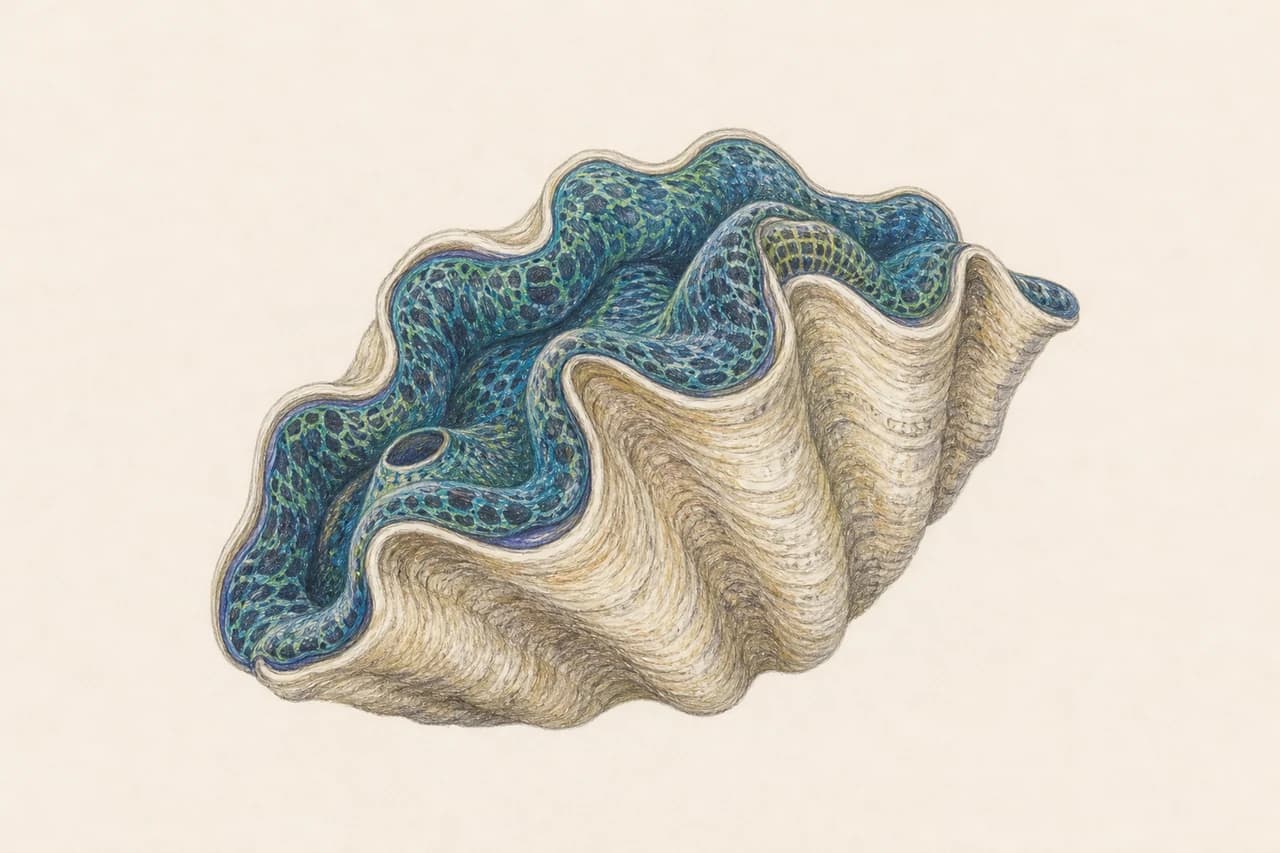 Giant clams4 regionsThe largest shellfish on Earth, with vividly coloured mantles, found on healthy, protected Indo-Pacific reefs.
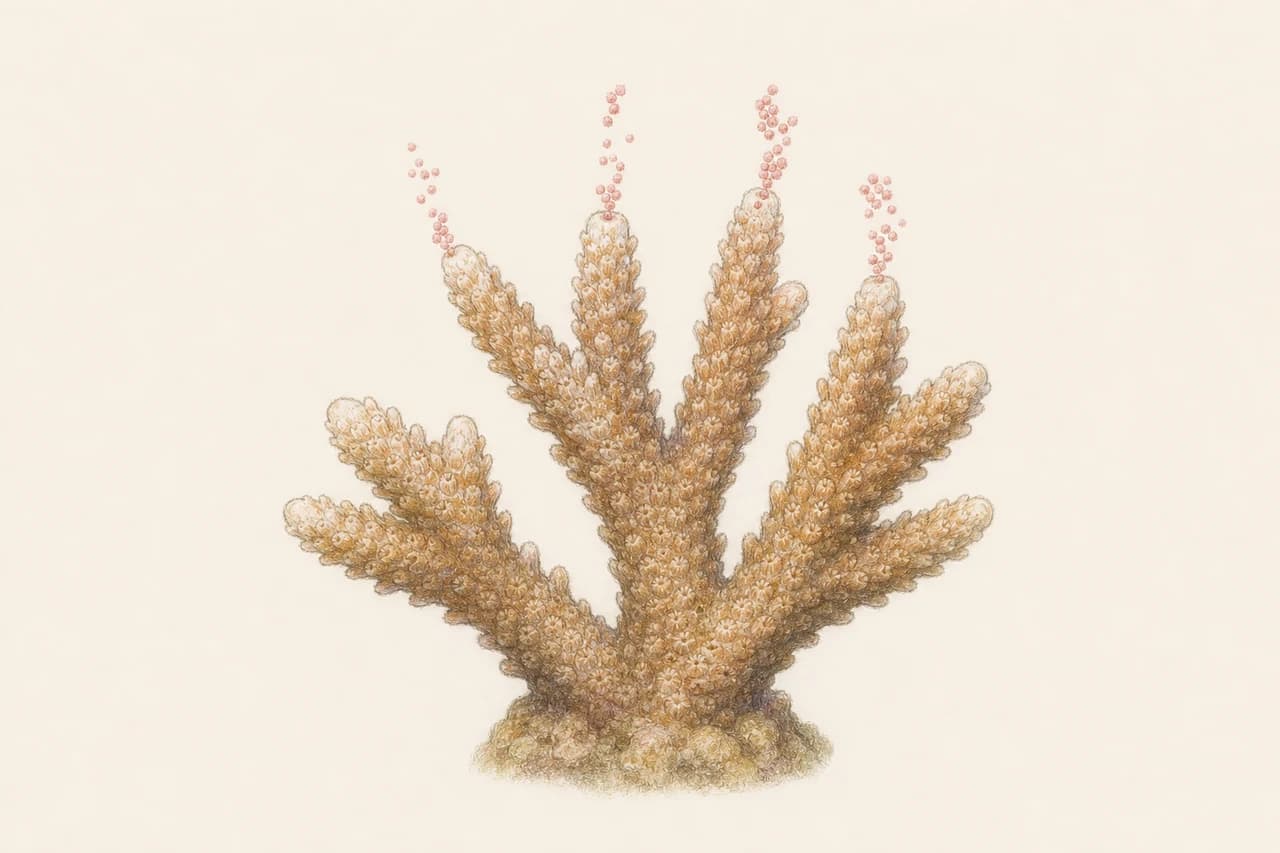 Coral spawning2 regions · peak September–NovemberOn a few nights a year, set by water temperature and the moon, reef corals release clouds of eggs and sperm together. Night dives timed to the forecast can catch it.
 Fish spawning aggregations3 regions · peak JulyFish gather in their thousands at the same channels and points to spawn around particular moons each year, drawing in sharks and whale sharks to feed.